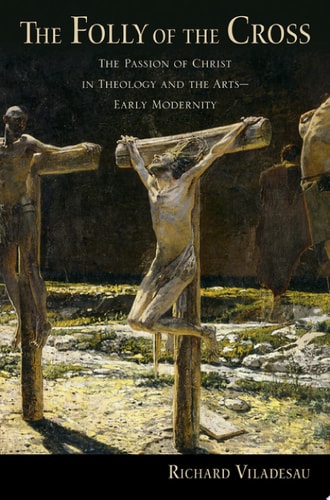
The Folly of the Cross
0
0
As an Amazon Associate and affiliate partner, Menrva Books earns from qualifying purchases. Learn more
Author Description
The Folly Of The Cross Is The Fourth Book In Richard Viladesau's Series Examining The Aesthetics And Theology Of The Cross Through Christian History. Previous Volumes Have Brought The Story Up Through The Baroque Era. This New Book Examines The Reception Of The Message Of The Cross From The European Enlightenment To The Turn Of The Twentieth Century. The Opening Chapters Set The Stage In The Transition From The Baroque To The Classical Eras, Describing The Changing Intellectual And Cultural Paradigms Of The Time. Viladesau Examines The Theology Of The Cross In The Eighteenth And Nineteenth Centuries, And The Aesthetic Mediation Of The Cross In Music And The Visual Arts. He Shows How In The Post-enlightenment Era The Aesthetic Treatment Of The Cross Widely Replaced The Dogmatic Treatment, And How This Thought Was Translated Into Popular Spirituality, Piety, And Devotion. The Folly Of The Cross Shows How Classical Theology Responded To The Critiques Of Modern Science, History, Biblical Scholarship, And Philosophy, And How Both Classical And Modern Theology Served As The Occasions For New Forms Of Representation Of Christ's Passion In The Arts And Music.
Menrva's Summary
THE THESIS
This book investigates how the theological and aesthetic understanding of the Christian cross evolved in response to the intellectual shifts of the Enlightenment and the nineteenth century. Richard Viladesau, a scholar of theology and the arts, utilizes a historical-theological framework to analyze the transition from dogmatic interpretations of the Passion to aesthetic mediations. By examining the intersection of philosophy, biblical scholarship, and the arts, the author argues that the cross became a central motif in modern spirituality as traditional theology adapted to the challenges of the scientific and historical consciousness of the era.
THE SCOPE MAP
What You Will Find
- Analysis of the transition from Baroque to Classical intellectual paradigms
- Examination of the theology of the cross in the eighteenth and nineteenth centuries
- Discussion of aesthetic mediation through music and visual arts
- Evaluation of the impact of modern science and biblical criticism on religious thought
Scope Limits
- The text focuses primarily on Western European intellectual and cultural history
- It does not provide an exhaustive survey of non-Western theological developments during this period
THE AUTHORITY PERSPECTIVE
Scholars and theologians recognize this work as a significant contribution to the study of the intersection between religious doctrine and cultural expression. Readers frequently note the academic density of the prose, which requires a foundational understanding of both historical theology and art history to fully appreciate the author's arguments.
Page Count:
320
Publication Date:
2018-01-01
Publisher:
Oxford University Press
ISBN-10:
0190876018
ISBN-13:
9780190876012
Philosophy
Cultural History
Christian History
Theology
Art History
Community Tags
Similar Books