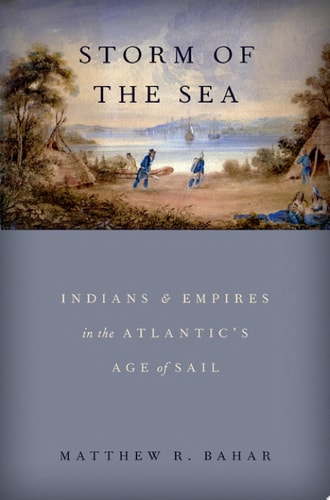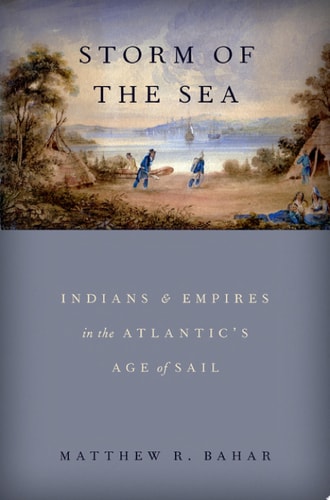
Storm of the Sea: Indians and Empires in the Atlantic's Age of Sail
0
0
As an Amazon Associate and affiliate partner, Menrva Books earns from qualifying purchases. Learn more
Author Description
Narratives of cultural encounter in colonial North America often contrast traditional Indian coastal-dwellers and intrepid European seafarers. In Storm of the Sea, Matthew R. Bahar instead tells the forgotten history of Indian pirates hijacking European sailing ships on the rough waters of the north Atlantic and of an Indian navy pressing British seamen into its ranks. From their earliest encounters with Europeans in the sixteenth century to the end of the Seven Years' War in 1763, the Wabanaki Indians of northern New England and the Canadian Maritimes fought to enhance their relationship with the ocean and the colonists it brought to their shores. This native maritime world clashed with the relentless efforts of Europeans to supplant it with one more amenable to their imperial designs. The Wabanaki fortified their longstanding dominion over the region's land- and seascape by co-opting European sailing technology and regularly plundering the waves of European ships, sailors, and cargo. Their campaign of sea and shore brought wealth, honor, and power to their confederacy while alienating colonial neighbors and thwarting English and French imperialism through devastating attacks. Their seaborne raids developed both a punitive and extractive character; they served at once as violent and honorable retribution for the destructive pressures of colonialism in Indian country and as a strategic enterprise to secure valuable plunder. Ashore, Indian diplomats engaged in shrewd transatlantic negotiations with imperial officials of French Acadia and New England. Positioning Indians into the Age of Sail, Storm of the Sea offers an original perspective on Native American, imperial, and Atlantic history.
Menrva's Summary
THE THESIS
This work investigates how the Wabanaki Indians of northern New England and the Canadian Maritimes asserted sovereignty over their coastal waters by integrating European maritime technology into their own naval strategies. Matthew R. Bahar, a historian specializing in early American and Atlantic history, utilizes archival records from French and British colonial administrations to challenge the traditional narrative of Indians as purely land-based actors. He argues that the Wabanaki actively engaged in piracy and naval warfare to resist imperial encroachment and secure economic and political autonomy throughout the Age of Sail.
THE SCOPE MAP
What You Will Find
- Analysis of Wabanaki maritime tactics including ship hijacking and naval raids.
- Examination of the intersection between indigenous diplomacy and transatlantic imperial politics.
- Documentation of the Wabanaki confederacy's efforts to control the north Atlantic seascape from the 16th century through 1763.
Scope Limits
- The study is geographically focused on the Wabanaki territory in northern New England and the Canadian Maritimes.
- The narrative concludes at the end of the Seven Years' War in 1763.
THE AUTHORITY PERSPECTIVE
Historians and scholars of the Atlantic world recognize this text for its contribution to shifting the focus of indigenous history toward maritime agency. Readers frequently note the academic rigor of the research and the clarity with which the author connects local tribal strategies to broader imperial conflicts.
Page Count:
301
Publication Date:
2018-01-01
Publisher:
Oxford University Press
ISBN-10:
0190874260
ISBN-13:
9780190874261
History
Indians
Canadian History
North America
Atlantic World
Native American
Colonial History
History of the Americas
Military History
American History
Maritime history
Community Tags
Similar Books