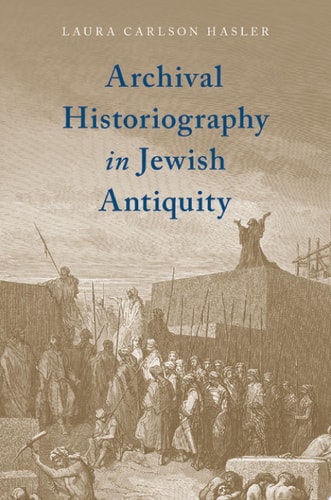
Archival Historiography in Jewish Antiquity
0
0
As an Amazon Associate and affiliate partner, Menrva Books earns from qualifying purchases. Learn more
Author Description
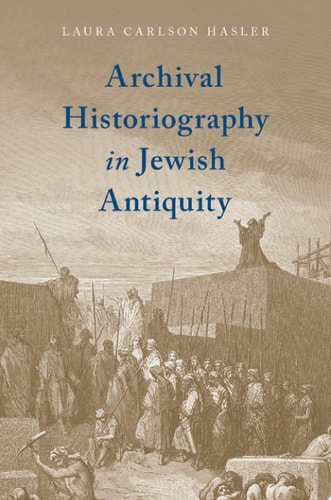
The question of how the Bible received its unusual form has been a question addressed by scholars since critical study of the text began. Early attention focused on the Pentateuch and the Primary History. Archival Historiography in Jewish Antiquity argues that Ezra and Nehemiah, late texts sometimes overlooked in such discussions, reveal another piece of this longstanding puzzle. Laura Carlson Hasler suggests that the concept of archival historiography makes sense of Ezra and Nehemiah's unusual format and place in the Bible. Adapting the symbolic quality of ancient Near Eastern archives to their own purposes, the writers of these books found archiving an expression of religious and social power in a colonized context. Using the book of Esther as a comparative example, Carlson Hasler addresses literary disruption, a form unpalatable to modern readers, as an expected element of archival historiography. This book argues that archiving within the experience of trauma is more than sophisticated history writing, and in fact served to facilitate Judean recovery after the losses of exile.
Menrva's Summary
THE THESIS
How does the concept of archival historiography explain the unique literary structure and function of the biblical books of Ezra and Nehemiah? Laura Carlson Hasler, a scholar of ancient religious texts, examines these late biblical writings to argue that their fragmented and archival nature was a deliberate rhetorical strategy. By analyzing the symbolic power of ancient Near Eastern archives, the author posits that these texts served as a mechanism for Judean identity formation and recovery following the trauma of exile.
THE SCOPE MAP
What You Will Find
- Analysis of the literary structure of Ezra and Nehemiah.
- Comparative study between Ezra-Nehemiah and the book of Esther.
- Theoretical framework regarding archival practices in colonized contexts.
- Examination of literary disruption as a purposeful stylistic choice.
Scope Limits
- The study does not provide a comprehensive history of the entire Pentateuch.
- The analysis focuses specifically on the archival function rather than general theological commentary.
THE AUTHORITY PERSPECTIVE
Scholars in the field of biblical studies recognize this work as a significant contribution to understanding the formal composition of post-exilic texts. Readers frequently note the academic density of the prose, which is intended for an audience familiar with critical biblical scholarship and historical methodology.
Page Count:
234
Publication Date:
2019-01-01
Publisher:
Oxford University Press
ISBN-10:
0190918748
ISBN-13:
9780190918743
History
Religion
Bible criticism interpretation etc o t historical books
Bibles
Judaism
Theology
Historiography
Near East
Jewish Studies