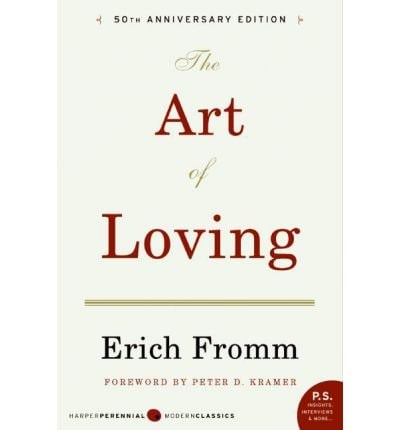
The Art of Loving
0
0
As an Amazon Associate and affiliate partner, Menrva Books earns from qualifying purchases. Learn more
Author Description
"The Art of Loving" (1956) is a seminal work by psychoanalyst and social philosopher Erich Fromm. In this book, Fromm explores the concept of love in a profound and comprehensive manner, arguing that love is not just a passive feeling but an art that requires practice, knowledge, and effort. Through a detailed analysis, Fromm demystifies the idea that love is something that simply happens, proposing that it must be cultivated like any other skill. He divides love into different categories, including brotherly love, motherly love, erotic love, self-love, and love of God, discussing the characteristics and challenges of each. Fromm also addresses the nature of love in modern society, criticizing the commercialization and superficiality of human relationships. He suggests that the true essence of love lies in the ability to give, to commit, and to genuinely care for the well-being of others, rather than seeking personal satisfaction alone. In "The Art of Loving," Fromm combines psychological insights with philosophical and sociological analysis, offering a rich and multifaceted perspective on what it means to love. The book remains a relevant and inspiring read, encouraging readers to reflect on their own relationships and the importance of developing the art of love in their lives.
Menrva's Summary
THE THESIS
Erich Fromm investigates the central question of whether love is a spontaneous, passive emotion or an active, disciplined art that requires conscious development. Drawing on his background as a psychoanalyst and social philosopher, Fromm utilizes a framework that blends psychological theory with sociological critique to argue that modern society hinders the capacity for genuine connection. He posits that love is a skill to be mastered through practice, knowledge, and effort rather than a mere byproduct of chance or romantic sentiment.
THE SCOPE MAP
What You Will Find
- A categorical breakdown of love including brotherly, motherly, erotic, self-love, and love of God.
- A sociological critique of how modern commercialization impacts human intimacy.
- A philosophical argument defining love as an active, giving process rather than a passive reception.
- An analysis of the psychological prerequisites for developing the capacity to love.
THE AUTHORITY PERSPECTIVE
This work is widely regarded as a foundational text in humanistic psychology, noted for its intellectual rigor and accessible prose. The analysis provides a dense, structured examination of interpersonal dynamics that remains a standard reference for those studying the intersection of social conditions and individual emotional health.
Page Count:
112
Publication Date:
1956-01-01
Publisher:
HarperCollins Publishers
ISBN-10:
0007273002
ISBN-13:
9780007273003
Psychology
History
Philosophy
Self-help
Criticism history
Criticism
Arts & Photography
Counseling Psychology
Relationships
Sociology
Self Help
Community Tags
Other Editions(11)

Mu Ma Wen Hua
2025
Default edition
Gramedia Pustaka Utama
2020
CreateSpace Independent Publishing Platform
2016

HarperCollins Publishers
2016
Open Road Integrated Media, Inc.
2013

Independent Publishers Group (Chicago Review Press)
2013
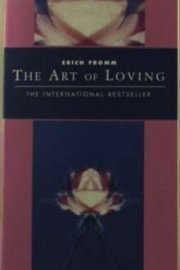
Aquarian/Thorsons
1993
Wildside Press, LLC
1991
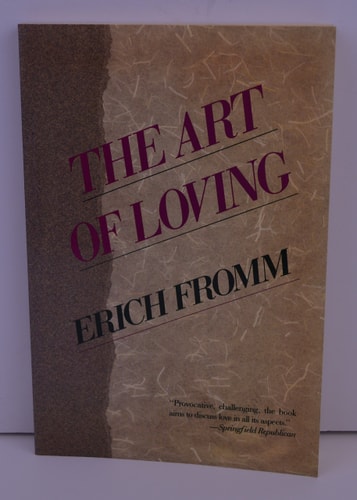
Harper & Row
1989
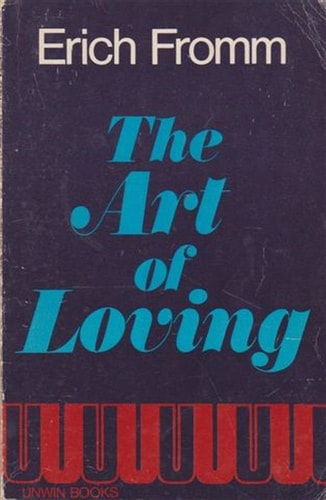
Unwin Paperbacks
1975
HarperCollins Publishers
1956
Similar Books






Reader Comments
Share Your Thoughts
No comments yet. Be the first to share your thoughts!