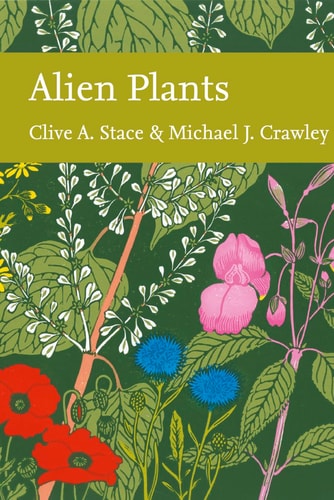
Alien Plants
0
0
As an Amazon Associate and affiliate partner, Menrva Books earns from qualifying purchases. Learn more
Author Description
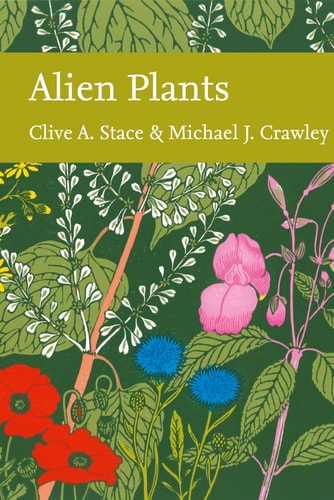
The word aliens can be used in many ways, to invoke fear, dislike and fascination. For biologists it is used to indicate organisms that have been introduced by people to new territories. In the British Isles alien plants are common, conspicuous, pestiferous, beautiful, edible and can be both useful and harmful.Over the last fifty years, the study of alien plants has progressed from an eccentric hobby, enabling amateur botanists to increase the total of wild plants that they could record, to the full-blown sciences of invasion ecology and alien genetics. Alien species no longer present an optional extra, but must be accepted as an integral part of mainstream botanical investigation. The amount and breadth of data that has been accumulated on alien plants in the British Isles is exceptional. The subject has become familiar both to naturalists and the general public, due to such diverse topics as damage to the environment by Japanese Knotweed and New Zealand Pigmyweed, the attraction of bees and butterflies to cities by such plants as Buddleja, the court cases involving Leylandii hedges, the threats to the purity of our native Bluebell by the mass planting of its Spanish relative, and the cultivation of new sorts of Christmas tree.In this important addition to the New Naturalist series, Stace and Crawley provide a comprehensive overview of the many plants that have become an integral part of the British wild flora and a unique insight into why alien plants are so important.
Menrva's Summary
THE THESIS
This work investigates the ecological, historical, and social impact of non-native plant species that have established themselves within the British Isles. Clive A. Stace and Michael Crawley, both distinguished botanists, synthesize decades of field data and research to argue that alien flora are no longer peripheral curiosities but are instead central components of modern botanical study and environmental management. The authors provide a structured framework for understanding how these species arrive, adapt, and influence native ecosystems.
THE SCOPE MAP
What You Will Find
- Historical analysis of plant introduction and naturalization in the British Isles over the last fifty years.
- Examination of invasion ecology and the genetic implications of non-native plant populations.
- Case studies on specific problematic species such as Japanese Knotweed, New Zealand Pigmyweed, and Leylandii.
- Discussion on the intersection of botanical science, environmental policy, and public interest.
THE AUTHORITY PERSPECTIVE
This text serves as a comprehensive, scholarly reference for both professional botanists and informed naturalists interested in the complexities of invasive species. The depth of data and the authors' expertise position the book as a definitive resource for understanding the shifting composition of the British landscape.
Page Count:
0
Publication Date:
2015-01-01
Publisher:
William Collins
ISBN-10:
0007594232
ISBN-13:
9780007594238
Science
Nature
Ecology
Plants
Biology
Botany
British Isles