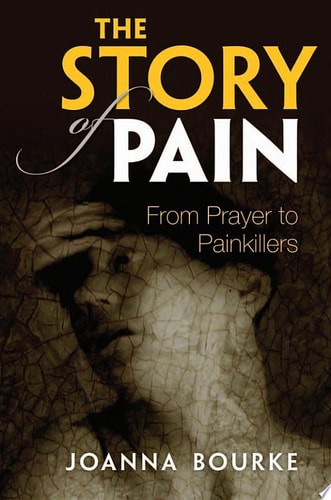
The Story of Pain
0
0
As an Amazon Associate and affiliate partner, Menrva Books earns from qualifying purchases. Learn more
Author Description
Everyone Knows What Is Feels Like To Be In Pain. Scraped Knees, Toothaches, Migraines, Giving Birth, Cancer, Heart Attacks, And Heartaches: Pain Permeates Our Entire Lives. We Also Witness Other People - Loved Ones - Suffering, And We 'feel With' Them. It Is Easy To Assume This Is The End Of The Story: 'pain-is-pain-is-pain', And That Is All There Is To Say. But It Is Not. In Fact, The Way In Which People Respond To What They Describe As 'painful' Has Changed Considerably Over Time. In The Eighteenth And Nineteenth Centuries, For Example, People Believed That Pain Served A Specific (and Positive) Function - It Was A Message From God Or Nature; It Would Perfect The Spirit. 'suffer In This Life And You Wouldn't Suffer In The Next One'. Submission To Pain Was Required. Nothing Could Be More Removed From Twentieth And Twenty-first Century Understandings, Where Pain Is Regarded As An Unremitting Evil To Be 'fought'. Focusing On The English-speaking World, This Book Tells The Story Of Pain Since The Eighteenth Century, Addressing Fundamental Questions About The Experience And Nature Of Suffering Over The Last Three Centuries. How Have Those In Pain Interpreted Their Suffering - And How Have These Interpretations Changed Over Time? How Have People Learnt To Conduct Themselves When Suffering? How Do Friends And Family React? And What About Medical Professionals: Should They Immerse Themselves In The Suffering Person Or Is The Best Response A Kind Of Professional Detachment? As Joanna Bourke Shows In This Fascinating Investigation, People Have Come Up With Many Different Answers To These Questions Over Time. And A History Of Pain Can Tell Us A Great Deal About How We Might Respond To Our Own Suffering In The Present - And, Just As Importantly, To The Suffering Of Those Around Us.
Menrva's Summary
THE THESIS
This book investigates how the human interpretation and social response to physical and emotional pain have evolved significantly from the eighteenth century to the present day. Professor Joanna Bourke, a historian, utilizes a wide array of cultural and medical archives to challenge the assumption that pain is a static, universal experience. She argues that shifting societal values—from viewing pain as a spiritual necessity to regarding it as an unremitting evil—have fundamentally altered how individuals endure and express suffering.
THE SCOPE MAP
What You Will Find
- Historical analysis of pain perception from the 18th century to the 21st century
- Examination of the shifting role of medical professionals in managing patient suffering
- Cultural study of how religious and secular frameworks dictate responses to agony
- Analysis of the interpersonal dynamics between the sufferer and their caregivers
Scope Limits
- The analysis is primarily restricted to the English-speaking world
- The text does not provide a clinical or biological manual for pain management
THE AUTHORITY PERSPECTIVE
Experts and readers frequently note the academic rigor and historical depth of Bourke's research into the cultural construction of suffering. The text is widely regarded as a foundational work for those interested in the history of medicine and the sociology of the human body.
Page Count:
336
Publication Date:
2014-01-01
Publisher:
Oup Oxford
ISBN-10:
0191003549
ISBN-13:
9780191003547
Philosophy
History
Non-Fiction
Sociology
Medicine
Community Tags
Similar Books