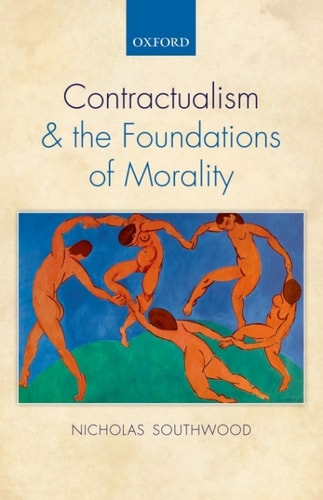
Contractualism and the Foundations of Morality
0
0
As an Amazon Associate and affiliate partner, Menrva Books earns from qualifying purchases. Learn more
Author Description
Contractualism has a venerable history and considerable appeal. Yet as an account of the foundations or ultimate grounds of morality it has been thought by many philosophers to be subject to fatal objections. In this book Nicholas Southwood argues otherwise. Beginning by detailing and diagnosing the shortcomings of the existing "Hobbesian" and "Kantian" models of contractualism, he then proposes a novel "deliberative" model, based on an interpersonal, deliberative conception of practical reason. He argues that the deliberative model of contractualism represents an attractive alternative to its more familiar rivals and that it has the resources to offer a more compelling account of morality's foundations, one that does justice to the twin demands of moral accuracy and explanatory adequacy.
Menrva's Summary
THE THESIS
Can contractualism serve as a robust and defensible foundation for morality despite historical criticisms? Nicholas Southwood, a philosopher specializing in moral and political theory, evaluates the limitations of traditional Hobbesian and Kantian contractualist frameworks. He proposes a new deliberative model of contractualism, grounded in an interpersonal conception of practical reason, to address the dual requirements of moral accuracy and explanatory adequacy.
THE SCOPE MAP
What You Will Find
- Critical analysis of Hobbesian and Kantian contractualist models
- Development of a deliberative model of practical reason
- Theoretical framework for the foundations of morality
Scope Limits
- Does not provide a comprehensive history of all social contract theories
- Does not focus on applied ethics or specific policy recommendations
THE AUTHORITY PERSPECTIVE
Scholars in moral philosophy view this work as a significant contribution to the ongoing debate regarding the viability of contractualist foundations. Readers frequently note the academic density of the prose, which is intended for an audience familiar with contemporary meta-ethical discourse.
Page Count:
216
Publication Date:
2013-01-01
Publisher:
OUP Oxford
ISBN-10:
0191009997
ISBN-13:
9780191009990
Philosophy
Contractualism
Political Philosophy
Ethics
Moral Philosophy
Community Tags
Other Editions(4)


Similar Books