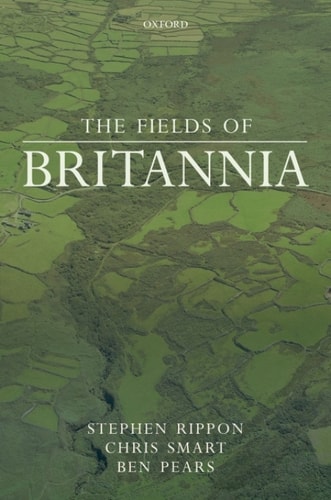
The Fields of Britannia: Continuity and Change in the Late Roman and Early Medieval Landscape
0
0
As an Amazon Associate and affiliate partner, Menrva Books earns from qualifying purchases. Learn more
Author Description
It has long been recognized that the landscape of Britain is one of the 'richest historical records we possess', but just how old is it? The Fields of Britannia is the first book to explore how far the countryside of Roman Britain has survived in use through to the present day, shaping the character of our modern countryside. Commencing with a discussion of the differing views of what happened to the landscape at the end of Roman Britain, the volume then brings together the results from hundreds of archaeological excavations and palaeoenvironmental investigations in order to map patterns of land-use across Roman and early medieval Britain. In compiling such extensive data, the volume is able to reconstruct regional variations in Romano-British and early medieval land-use using pollen, animal bones, and charred cereal grains to demonstrate that agricultural regimes varied considerably and were heavily influenced by underlying geology. We are shown that, in the fifth and sixth centuries, there was a shift away from intensive farming but very few areas of the landscape were abandoned completely. What is revealed is a surprising degree of continuity: the Roman Empire may have collapsed, but British farmers carried on regardless, and the result is that now, across large parts of Britain, many of these Roman field systems are still in use.
Menrva's Summary
THE THESIS
This volume investigates the extent to which the agricultural landscape and field systems of Roman Britain persisted into the early medieval period. The authors, specialists in landscape archaeology, synthesize data from hundreds of excavations and environmental studies to challenge the narrative of total landscape abandonment following the collapse of Roman authority. By analyzing biological and geological evidence, they argue for a high degree of continuity in farming practices across the British countryside.
THE SCOPE MAP
What You Will Find
- Analysis of regional variations in Romano-British and early medieval land-use patterns.
- Integration of palaeoenvironmental data including pollen, animal bones, and charred cereal grains.
- Comparative study of agricultural regimes relative to underlying geological conditions.
Scope Limits
- The study focuses primarily on the transition between the Roman and early medieval periods rather than prehistoric or modern agricultural developments.
- The analysis is restricted to the geographical context of Britain.
THE AUTHORITY PERSPECTIVE
Experts recognize this work as a significant synthesis of archaeological data that provides a nuanced view of post-Roman land management. Readers frequently note the academic rigor of the text, which serves as a valuable resource for those interested in the material realities of early medieval agricultural survival.
Page Count:
416
Publication Date:
2015-01-01
Publisher:
OUP Oxford
ISBN-10:
0191019518
ISBN-13:
9780191019517
History
European History
British History
Roman Britain
Archaeology
Landscape archaeology
Community Tags
Similar Books