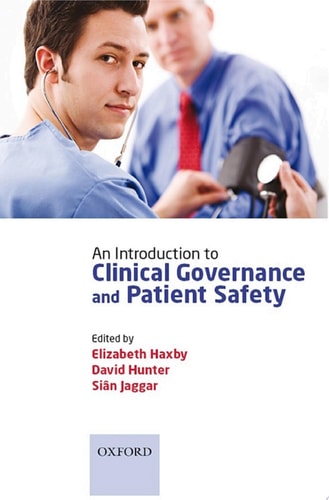
An Introduction to Clinical Governance and Patient Safety
0
0
As an Amazon Associate and affiliate partner, Menrva Books earns from qualifying purchases. Learn more
Author Description
Clinical Governance is integral to healthcare and all doctors must have an understanding of both basic principles, and how to apply them in daily practice. Within the Clinical Governance framework, patient safety is the top priority for all healthcare organisations, with the prevention of avoidable harm a key goal. Traditionally medical training has concentrated on the acquisition of knowledge and skills related to diagnostic intervention and therapeutic procedures. The need to focus on non-technical aspects of clinical practice, including communication and team working, is now evident; ensuring tomorrow's staff are competent to function effectively in any healthcare facility. This book provides a guide to how healthcare systems work; their structure, regulation and inspection, and key areas including risk management, resource effectiveness and wider aspects of knowledge management. Changing curricula at undergraduate level reflect this, but post-graduate training is lagging behind and does not always equip trainees appropriately for a hectic clinical environment. An Introduction to Clinical Governance and Patient Safety presents a simple overview of clinical governance in context, highlighting important principles required to function effectively in a pressurised healthcare environment. It is presented in short sections based on the original seven pillars of clinical governance. These have been expanded to include the fundamental principles of systems, team working, leadership, accountability, and ownership in healthcare, with examples from everyday practice. This format is designed to facilitate use as a 'pocket guide' which can be dipped into during the working day, as well as for general reading. Examples from all branches of medicine are presented to facilitate understanding. Contributors are taken from a broad base - from junior doctors to internationally recognised experts - ensuring issues are addressed from all perspectives.
Menrva's Summary
THE THESIS
This book investigates how healthcare professionals can integrate the principles of clinical governance and patient safety into their daily practice to minimize avoidable harm. The authors, David Hunter, Elizabeth Haxby, and Sian Jaggar, draw upon their collective expertise to bridge the gap between traditional medical training and the non-technical requirements of modern healthcare systems. They argue that understanding organizational structure, risk management, and leadership is essential for staff to function effectively within high-pressure clinical environments.
THE SCOPE MAP
What You Will Find
- An overview of the seven pillars of clinical governance.
- Frameworks for risk management, resource effectiveness, and knowledge management.
- Practical applications of team working, leadership, and accountability in medicine.
Scope Limits
- The text does not provide exhaustive clinical diagnostic or therapeutic protocols.
- It does not cover specific legal statutes beyond general regulatory and inspection frameworks.
THE AUTHORITY PERSPECTIVE
Experts identify this work as a practical, accessible resource for both trainees and established clinicians navigating complex healthcare systems. Readers frequently note the utility of its modular, pocket-guide format for quick reference during active clinical shifts.
Page Count:
471
Publication Date:
2010-01-01
Publisher:
OUP Oxford
ISBN-10:
0191015563
ISBN-13:
9780191015564
Medical
Medical care
Allied Health
Professional Development
Patient Safety
Community Tags
Similar Books













Reader Comments
Share Your Thoughts
No comments yet. Be the first to share your thoughts!