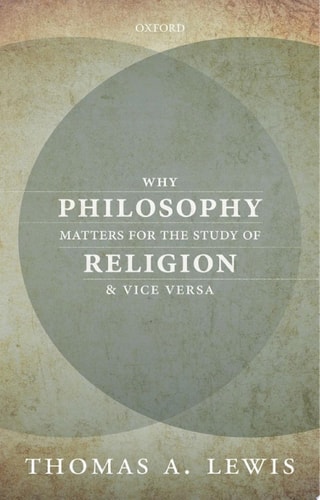
Why Philosophy Matters for the Study of Religion: And Vice Versa
0
0
As an Amazon Associate and affiliate partner, Menrva Books earns from qualifying purchases. Learn more
Author Description
Work in philosophy of religion is still strongly marked by an excessive focus on Christianity and, to a lesser extent, Judaism -- almost to the exclusion of other religious traditions. Moreover, in many cases it has been confined to a narrow set of intellectual problems, without embedding these in their larger social, historical, and practical contexts. Why Philosophy Matters for the Study of Religion--and Vice Versa addresses this situation through a series of interventions intended to work against the gap that exists between much scholarship in philosophy of religion and important recent developments that speak to religious studies as a whole. This volume takes up what, in recent years, has often been seen as a fundamental reason for excluding religious ethics and philosophy of religion from religious studies: their explicit normativity. Against this presupposition, Thomas A. Lewis argues that normativity is pervasive—not unique to ethics and philosophy of religion—and therefore not a reason to exclude them from religious studies. Lewis bridges more philosophical and historical subfields by arguing for the importance of history to the philosophy of religion. He considers the future of religious ethics, explaining that the field as whole should learn from the methodological developments associated with recent work in comparative religious ethics and 'comparative religious ethics' should no longer be conceived as a distinct subfield. The concluding chapter engages broader, post-9/11 arguments about the importance of studying religion arguing, that prominent contemporary notions of 'religious literacy' actually hinder our ability to grasp religion's significance and impact in the world today.
Menrva's Summary
THE THESIS
This volume investigates the methodological divide between philosophy of religion and religious studies, arguing that the perceived incompatibility of these fields is based on flawed assumptions regarding normativity. Thomas A. Lewis, a scholar in the field of religious studies, utilizes historical analysis and comparative ethics to challenge the isolation of philosophy of religion. He contends that normativity is an inherent feature of all academic inquiry and that integrating historical context is essential for the future of the discipline.
THE SCOPE MAP
What You Will Find
- Analysis of the historical exclusion of non-Western traditions in philosophy of religion
- A critique of the concept of religious literacy in post-9/11 discourse
- Methodological arguments for integrating comparative religious ethics into broader religious studies
Scope Limits
- The text does not provide a comprehensive history of religious philosophy
- It does not offer a practical guide for religious practice or theology
THE AUTHORITY PERSPECTIVE
Scholars in the field view this work as a significant intervention in the ongoing debate regarding the boundaries of religious studies. Readers frequently note the academic density of the prose, which is intended for an audience familiar with contemporary debates in the humanities.
Page Count:
187
Publication Date:
2015-01-01
Publisher:
OUP Oxford
ISBN-10:
0191062162
ISBN-13:
9780191062162
Religion
Philosophy
Academic
Ethics
Methodology
Community Tags
Other Editions(3)
Similar Books



Reader Comments
Share Your Thoughts
No comments yet. Be the first to share your thoughts!