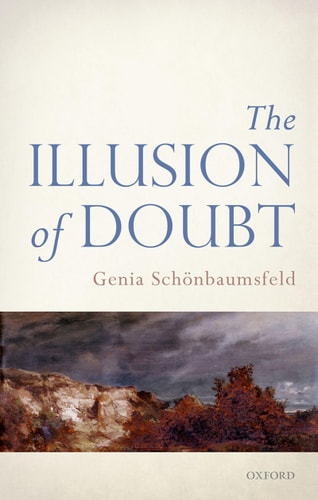
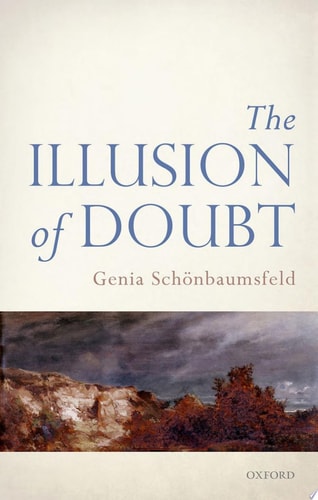
The Illusion of Doubt
0
0
As an Amazon Associate and affiliate partner, Menrva Books earns from qualifying purchases. Learn more
Author Description
The Illusion of Doubt shows that radical scepticism is an illusion generated by a Cartesian picture of our evidential situation - the view that my epistemic grounds in both the 'good' and the 'bad' cases must be the same, and consists in information about an inner mental realm of experience from which I must try to work my way out to what goes on 'out there' in the external world. It is this picture which issues both a standing invitation to radical scepticism and ensures that there is no way of getting out of it while agreeing to the sceptic's terms. What we therefore need to do is not try to answer the sceptical problem 'directly', but rather to undermine the assumptions that it depends on. These are among the most ingrained in contemporary epistemology. They include the notion that radical scepticism can be motivated by the 'closure' principle for knowledge, that the 'Indistinguishability Argument' renders the Cartesian conception compulsory, that the 'new evil genius thesis' is coherent, and the demand for a 'global validation' of our epistemic practices makes sense. Once these dogmas are undermined, the path is clear for a 'realism without empiricism' that allows us to re-establish unmediated contact with the objects and persons in our environment which an illusion of doubt had threatened to put forever beyond our cognitive grasp.
Menrva's Summary
THE THESIS
The book investigates whether radical skepticism is a logical necessity or merely an illusion stemming from flawed Cartesian assumptions about human knowledge. Genia Schönbaumsfeld, a scholar in epistemology, argues that the traditional skeptical problem arises from the belief that our internal mental experiences are the only direct evidence we possess. By challenging the foundational dogmas of contemporary epistemology, the author seeks to dismantle the framework that makes radical skepticism appear insurmountable.
THE SCOPE MAP
What You Will Find
- Analysis of the Cartesian picture of the evidential situation
- Critique of the closure principle for knowledge
- Examination of the Indistinguishability Argument and the new evil genius thesis
- Development of a realism without empiricism framework
Scope Limits
- Does not provide a direct answer to the skeptical problem within the skeptic's own terms
- Focuses primarily on analytical epistemology rather than historical survey
THE AUTHORITY PERSPECTIVE
Scholars and students of philosophy frequently note the high level of academic density and rigorous logical argumentation present throughout the text. Experts highlight this work as a significant contribution to the ongoing debate regarding the nature of epistemic grounds and the validity of skeptical challenges.
Page Count:
192
Publication Date:
2016-01-01
Publisher:
OUP Oxford
ISBN-10:
0191086568
ISBN-13:
9780191086564
Philosophy
Non-Fiction
Skepticism
Epistemology
Metaphysics
Community Tags
Other Editions(3)
Similar Books