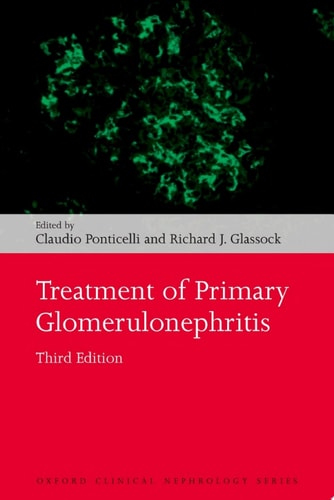
Treatment of Primary Glomerulonephritis
0
0
As an Amazon Associate and affiliate partner, Menrva Books earns from qualifying purchases. Learn more
Author Description
Primary glomerulonephritis is one of the most frequent renal diseases, and a main cause of end-stage kidney disease. Glomerulonephritis has multiple subtypes, each with different physiopathologies, clinical presentations, and management requirements, which makes treatment difficult. As a complex set of diseases, the choice of symptomatic and specific treatment is critical to ameliorating the relentless course of glomerulonephritis. Focusing on all aspects of primary glomerulonephritis, from their epidemiologies and classification, to their pathogenesis and treatment, this third edition of Treatment of Primary Glomerulonephritis has been fully updated to include the latest research and evidence-based practice. With a strong emphasis on drugs used for both symptomatic and specific treatments, mechanisms of action, effectiveness, and potential toxicity are considered for therapeutic strategies in the different subtypes of primary glomerulonephritis. Each chapter follows a clear and logical format, allowing easy access to key information. Featuring over 20 full-colour histological images of different diseases to aid diagnosis, and with commentary from internationally recognised experts in the field, this new edition is an essential resource for all practising or academic clinical nephrologists.
Menrva's Summary
THE THESIS
This text investigates the optimal therapeutic strategies for managing the diverse subtypes of primary glomerulonephritis to mitigate the progression toward end-stage kidney disease. The authors, David Rabouin, Karine Chemla, and Renaud Chorlay, synthesize current clinical research and evidence-based practices to provide a comprehensive framework for nephrologists. The book evaluates the mechanisms of action, clinical effectiveness, and toxicity profiles of various pharmacological interventions across the spectrum of glomerular diseases.
THE SCOPE MAP
What You Will Find
- Detailed classification and epidemiological data for primary glomerulonephritis subtypes
- Analysis of drug mechanisms, therapeutic efficacy, and potential toxicity
- Over 20 full-colour histological images for diagnostic reference
Scope Limits
- Focus is restricted to primary glomerulonephritis and does not cover secondary renal conditions
- The text is intended for clinical and academic professionals rather than patient education
THE AUTHORITY PERSPECTIVE
Experts recognize this volume as a standard reference for clinical nephrologists due to its structured approach to complex disease management. Readers frequently note the high density of clinical data and the utility of the histological imagery in daily practice.
Page Count:
635
Publication Date:
2019-01-01
Publisher:
OUP Oxford
ISBN-10:
019108686X
ISBN-13:
9780191086861
Nephrology
Pathology
Medical
Allied Health
Community Tags
Similar Books