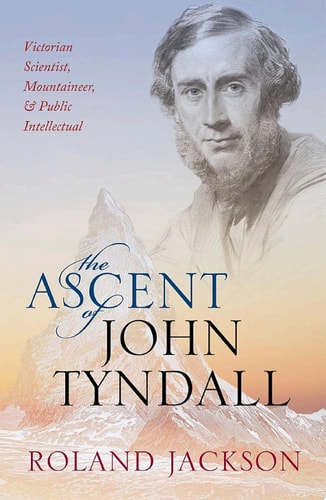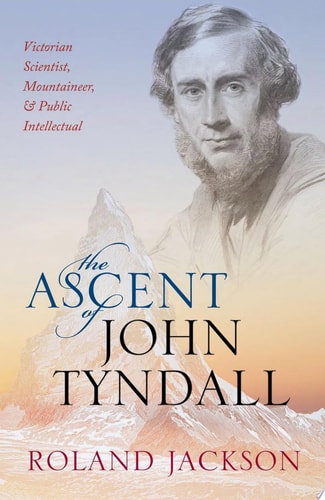
The Ascent of John Tyndall
0
0
As an Amazon Associate and affiliate partner, Menrva Books earns from qualifying purchases. Learn more
Author Description
Rising From A Humble Background In Rural Southern Ireland, John Tyndall Became One Of The Foremost Physicists, Communicators Of Science, And Polemicists In Mid-victorian Britain. In Science, He Is Known For His Important Work In Meteorology, Climate Science, Magnetism, Acoustics, And Bacteriology. His Discoveries Include The Physical Basis Of The Warming Of The Earth's Atmosphere (the Basis Of The Greenhouse Effect), And Establishing Why The Sky Is Blue. But He Was Also A Leading Communicator Of Science, Drawing Great Crowds To His Lectures At The Royal Institution, While Also Playing An Active Role In The Royal Society. Tyndall Moved In The Highest Social And Intellectual Circles. A Friend Of Tennyson And Carlyle, As Well As Michael Faraday And Thomas Huxley, Tyndall Was One Of The Most Visible Advocates Of A Scientific World View As Tensions Grew Between Developing Scientific Knowledge And Theology. He Was An Active And Often Controversial Commentator, Through Letters, Essays, Speeches, And Debates, On The Scientific, Political, And Social Issues Of The Day. Widely Read In America, His Lecture Tour There In 1872-73 Was A Great Success. Roland Jackson Paints A Picture Of An Individual At The Heart Of Victorian Science And Society. He Also Describes Tyndall's Importance As A Pioneering Mountaineer In What Has Become Known As The Golden Age Of Alpinism. Among Other Feats, Tyndall Was The First To Traverse The Matterhorn And The First To Ascend The Weisshorn. He Presents Tyndall As A Complex Personality, Full Of Contrasts, With His Intense Sense Of Duty, His Deep Love Of Poetry, His Generosity To Friends And His Combativeness, His Persistent Ill-health Alongside Great Physical Stamina Driving Him To His Mountaineering Feats. Drawing On Tyndall's Letters And Journals For This First Major Biography Of Tyndall Since 1945, Jackson Explores The Legacy Of A Man Who Aroused Strong Opinions, Strong Loyalties, And Strong Enmities Throughout His Life.
Menrva's Summary
THE THESIS
This biography investigates how John Tyndall navigated the intersection of scientific discovery, public intellectualism, and Victorian social structures to become a central figure in nineteenth-century British life. Roland Jackson utilizes a comprehensive array of primary sources, including Tyndall's personal letters and journals, to reconstruct the life of a man who bridged the gap between rigorous laboratory research and the public sphere. The text argues that Tyndall's multifaceted career—spanning climate science, mountaineering, and theological debate—was driven by a complex personality defined by both intense physical stamina and persistent health challenges.
THE SCOPE MAP
What You Will Find
- Detailed analysis of Tyndall's contributions to meteorology, magnetism, and the physical basis of the greenhouse effect.
- Documentation of Tyndall's role in the Golden Age of Alpinism, including his first ascents of the Weisshorn and Matterhorn.
- Exploration of his intellectual relationships with contemporaries such as Michael Faraday, Thomas Huxley, and Alfred Tennyson.
- Examination of his public lectures and his controversial stance on the tension between scientific inquiry and theology.
Scope Limits
- The narrative focuses primarily on Tyndall's life and professional career, rather than providing a technical textbook explanation of his scientific theories.
- The book does not attempt to provide a comprehensive history of Victorian science, but rather uses Tyndall's life as a lens through which to view the era.
THE AUTHORITY PERSPECTIVE
Scholars and historians recognize this work as the first major biographical treatment of Tyndall since 1945, filling a significant gap in the historical record of Victorian scientists. Readers frequently note the meticulous research and the balanced portrayal of Tyndall's professional achievements alongside his personal contradictions.
Page Count:
416
Publication Date:
2018-01-01
Publisher:
Oxford University Press
ISBN-10:
0191093319
ISBN-13:
9780191093319
Biography
Non-Fiction
Biography Autobiography
Mountaineering
Science History
Mountaineers
Science News
Intellectuals
Science
Physics
Scientists
Physics General
Victorian Era
Community Tags
Similar Books