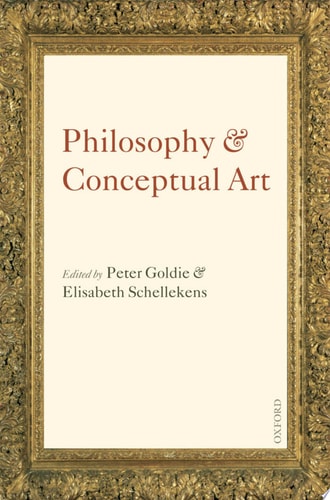
Philosophy and Conceptual Art
0
0
As an Amazon Associate and affiliate partner, Menrva Books earns from qualifying purchases. Learn more
Author Description
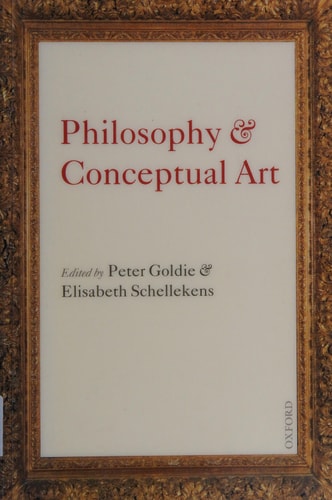
The fourteen prominent analytic philosophers writing here engage with the cluster of philosophical questions raised by conceptual art. They address four broad questions: What kind of art is conceptual art? What follows from the fact that conceptual art does not aim to have aesthetic value? What knowledge or understanding can we gain from conceptual art? How ought we to appreciate conceptual art? Conceptual art, broadly understood by the contributors as beginning with Marcel Duchamp's ready-mades and as continuing beyond the 1970s to include some of today's contemporary art, is grounded in the notion that the artist's 'idea' is central to art, and, contrary to tradition, that the material work is by no means essential to the art as such. To use the words of the conceptual artist Sol LeWitt, 'In conceptual art the idea of the concept is the most important aspect of the work... and the execution is a perfunctory affair'. Given this so-called 'dematerialization' of the art object, the emphasis on cognitive value, and the frequent appeal to philosophy by many conceptual artists, there are many questions that are raised by conceptual art that should be of interest to analytic philosophers. Why, then, has so little work been done in this area? This volume is most probably the first collection of papers by analytic Anglo-American philosophers tackling these concerns head-on. Contributors Margaret Boden, Diarmuid Costello, Gregory Currie, David Davies, Peter Goldie, Robert Hopkins, Matthew Kieran, Peter Lamarque, Dominic McIver Lopes, Derek Matravers, Elisabeth Schellekens, Kathleen Stock, Carolyn Wilde, and the 'Art & Language' group.
Menrva's Summary
THE THESIS
This volume investigates the philosophical implications of conceptual art, specifically questioning how the prioritization of ideas over material execution challenges traditional aesthetic frameworks. Editors Elisabeth Schellekens and Peter Goldie curate a collection of essays from fourteen prominent analytic philosophers who examine the ontological status of conceptual works. By analyzing the shift from physical craftsmanship to cognitive intent, the contributors establish a rigorous framework for evaluating art that intentionally eschews traditional aesthetic value.
THE SCOPE MAP
What You Will Find
- Philosophical inquiry into the definition and categorization of conceptual art
- Analysis of the 'dematerialization' of the art object
- Examination of the cognitive value and knowledge production inherent in conceptual practices
- Perspectives on the appreciation and interpretation of non-traditional art forms
Scope Limits
- The text focuses primarily on the analytic Anglo-American philosophical tradition
- It does not provide a comprehensive historical survey of all conceptual art movements
THE AUTHORITY PERSPECTIVE
Experts identify this collection as a foundational text for bridging the gap between analytic philosophy and contemporary art theory. Readers frequently note the academic density of the prose, which is tailored for those familiar with formal philosophical discourse.
Page Count:
288
Publication Date:
2007-01-01
Publisher:
Clarendon Press
ISBN-10:
0191536547
ISBN-13:
9780191536540
Philosophy
Mind & Body
Aesthetics
Humanities
Art Theory
Art
Conceptual Art
Conceptual