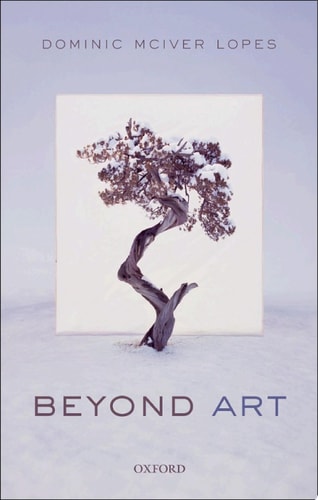
Beyond Art
0
0
As an Amazon Associate and affiliate partner, Menrva Books earns from qualifying purchases. Learn more
Author Description
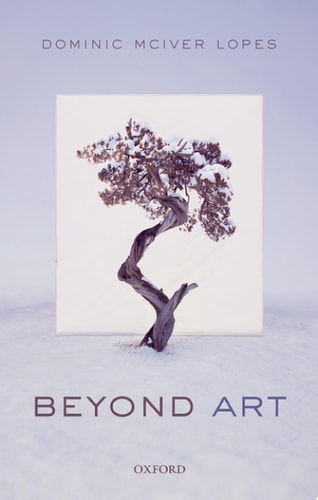
Dominic McIver Lopes articulates and defends a 'buck passing theory of art', namely that a work of art is nothing but a work in one of the arts. Having traced philosophical interest in theories of art to a reaction to certain puzzle cases of avant-garde art, he argues that none of the theories that have dominated philosophy since the 1960s adequately copes with these works. Whereas these theories have reached a dialectical impasse wherein they reiterate, and cannot resolve, disagreement over the puzzle cases, the buck passing theory illuminates the radical provocations of avant-garde art. In addition, when supplemented by a systematic framework for crafting theories of the individual arts, the buck passing theory grounds our empirical inquiries into the arts as well as our practices of appreciation and art criticism. Lopes seeks to model the diverse strategies employed by humanists and social and behavioural scientists who study the different arts. He gives the specificity of each art form a central role in our appreciative endeavours, and yet he stresses the continuity of the arts with similar, non-art activities such as fashion design, sports and games, cuisine, nature appreciation, and non-literary writing.
Menrva's Summary
THE THESIS
Dominic McIver Lopes investigates the fundamental question of what constitutes a work of art by proposing and defending a 'buck passing theory' that shifts the focus from abstract definitions to the specific practices of individual art forms. Lopes, a professor of philosophy, draws upon historical debates surrounding avant-garde art to demonstrate the limitations of existing philosophical frameworks. He argues that by treating art as a collection of distinct practices rather than a singular essence, we can better understand both the challenges posed by avant-garde works and the continuity between art and other human activities.
THE SCOPE MAP
What You Will Find
- A critique of post-1960s philosophical theories of art.
- The 'buck passing' framework for defining art through individual art forms.
- Comparative analysis between fine arts and non-art activities like cuisine and sports.
Scope Limits
- The text does not provide a comprehensive history of art movements.
- It does not offer a practical guide for art criticism or curation.
THE AUTHORITY PERSPECTIVE
Scholars in aesthetics frequently cite this work as a significant contribution to the ongoing debate regarding the definition of art. Readers often note the academic density of the prose, which requires a strong background in analytic philosophy to fully grasp the author's arguments.
Page Count:
231
Publication Date:
2014-01-01
Publisher:
OUP Oxford
ISBN-10:
0191006718
ISBN-13:
9780191006715
Philosophy
Non-Fiction
Art Theory
Art
Aesthetics