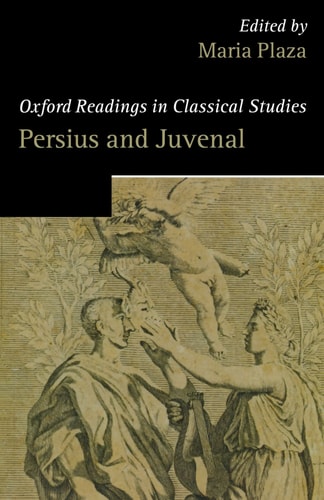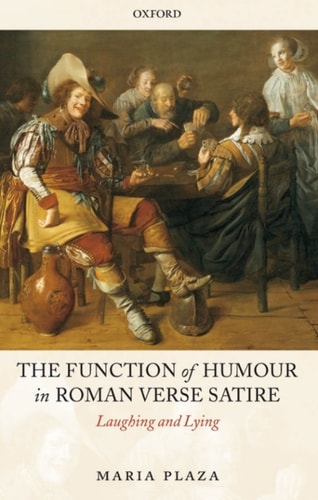
The Function of Humour in Roman Verse Satire: Laughing and Lying
0
0
As an Amazon Associate and affiliate partner, Menrva Books earns from qualifying purchases. Learn more
Author Description
Maria Plaza sets out to analyse the function of humour in the Roman satirists Horace, Persius, and Juvenal. Her starting point is that satire is driven by two motives, which are to a certain extent opposed: to display humour, and to promote a serious moral message. She argues that, while the Roman satirist needs humour for his work's aesthetic merit, his proposed message suffers from the ambivalence that humour brings with it. Her analysis shows that this paradox is not only socio-ideological but also aesthetic, forming the ground for the curious, hybrid nature of Roman satire.
Menrva's Summary
THE THESIS
This work investigates the inherent tension between the aesthetic requirement for humor and the didactic necessity of moral instruction within Roman verse satire. Maria Plaza, a scholar of classical literature, examines how the dual motives of entertainment and ethical critique create a structural paradox. By analyzing the works of Horace, Persius, and Juvenal, she argues that this ambivalence is not merely a social byproduct but a defining aesthetic characteristic of the genre.
THE SCOPE MAP
What You Will Find
- Comparative analysis of Horace, Persius, and Juvenal
- Examination of the socio-ideological implications of satiric humor
- Theoretical framework regarding the hybrid nature of Roman verse
Scope Limits
- Does not provide a comprehensive history of Roman literature
- Excludes prose satire and non-verse satiric forms
THE AUTHORITY PERSPECTIVE
Scholars recognize this text as a nuanced contribution to the study of Roman satiric mechanics. Readers frequently note the academic density of the prose, which is intended for those with a background in classical philology and literary theory.
Page Count:
384
Publication Date:
2006-01-01
Publisher:
Oxford University Press
ISBN-10:
0191535842
ISBN-13:
9780191535840
Satire
English
Roman
English & College Success
Literary Criticism
In literature
Community Tags
Similar Books