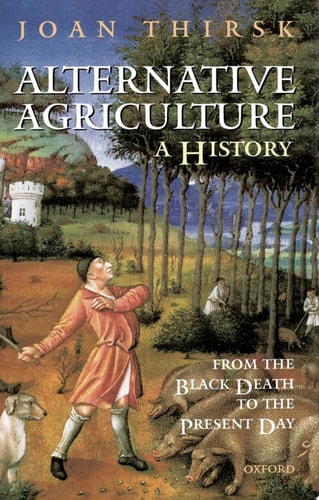
Alternative Agriculture: A History
0
0
As an Amazon Associate and affiliate partner, Menrva Books earns from qualifying purchases. Learn more
Author Description
People Like To Believe In A Past Golden Age Of Traditional English Countryside, Before Large Farms, Machinery, And The Destruction Of Hedgerows Changed The Landscape Forever. However, That Countryside May Have Looked Both More And Less Familiar Than We Imagine. Take Todays Startling Yellow Fields Of Rapeseed, Seemingly More Suited To The Landscape Of Van Gogh Than Constable. They Were, In Fact, Thoroughly Familiar To Fieldworkers In Seventeenth-century England. At The Same Time, Some Features That Would Have Gone Unremarked In The Past Now Seem Like Oddities. In The Fifteenth Century, Rabbit Warrens Were Specially Guarded To Rear Rabbits As A Luxury Food For Rich Mens Tables; Whilst Houses Had Moats Not Only To Defend Them But To Provide A Source Of Fresh Fish. In The 1500s We Find Catherine Of Aragon Introducing The Concept Of A Fresh Salad To The Court Of Henry Viii; And In The 1600s, Artichoke Gardens Became A Fashion Of The Gentry In Their Hope Of Producing More Male Heirs. The Common Tomato, Suspected Of Being Poisonous In 1837, Was Transformed Into A Household Vegetable By The End Of The Nineteenth Century, Thanks To Cheaper Glass-making Methods And The Resulting Increase In Glasshouses. In Addition To These Images Of Past Lives, Joan Thirsk Reveals How The Forces Which Drive Our Current Interest In Alternative Forms Of Agriculture A Glut Of Meat And Cereal Crops, Changing Dietary Habits, The Needs Of Medicine Have Striking Parallels With Earlier Periods In Our History. She Warns Us That Todays Decisions Should Not Be Made In A Historical Vacuum: We Can Find Solutions To Our Current Problems In The Experience Of People In The Past.
Menrva's Summary
THE THESIS
This work investigates whether the modern drive toward alternative agricultural practices is a novel phenomenon or a recurring historical pattern rooted in economic and dietary shifts. Joan Thirsk, a distinguished historian of rural England, utilizes extensive archival research and agricultural records to demonstrate that the diversification of crops and farming methods has been a constant response to market pressures throughout English history. By examining centuries of agricultural adaptation, she argues that contemporary farming challenges are best understood through the lens of past precedents.
THE SCOPE MAP
What You Will Find
- Historical analysis of crop diversification from the 15th to the 19th centuries.
- Case studies on the introduction of non-traditional foods like artichokes and tomatoes.
- Examination of the economic drivers behind rabbit warrens and fish farming.
- Parallels between historical agricultural gluts and modern dietary trends.
Scope Limits
- The analysis is primarily focused on the English agricultural experience.
- The text does not provide a comprehensive technical manual for modern alternative farming techniques.
THE AUTHORITY PERSPECTIVE
Historians and agricultural scholars frequently cite this work as a foundational text for understanding the long-term economic cycles of rural land use. Readers often note the academic rigor of the prose, which provides a detailed, evidence-based perspective on how past societies navigated agricultural change.
Page Count:
376
Publication Date:
1997-01-01
Publisher:
Oup Oxford
ISBN-10:
0191586811
ISBN-13:
9780191586811
History
Economic History
Food History
Agriculture
British History
Community Tags
Similar Books