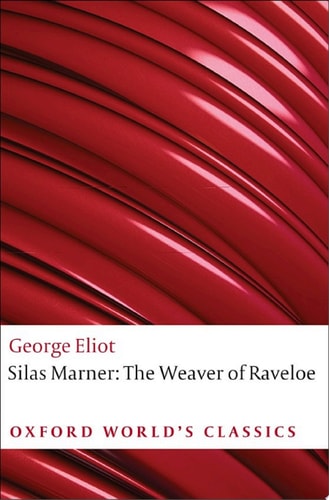
Silas Marner
0
0
As an Amazon Associate and affiliate partner, Menrva Books earns from qualifying purchases. Learn more
Author Description
It Came To Me First Of All, Quite Suddenly, As A Sort Of Legendary Tale, Suggested By My Recollection Of Having Once, In Early Childhood, Seen A Linen-weaver With A Bag On His Back; But, As My Mind Dwelt On The Subject, I Became Inclined To A More Realistic Treatment. Falsely Accused, Cut Off From His Past, Silas The Weaver Is Reduced To A Spider-like Existence, Endlessly Weaving His Web And Hoarding His Gold. Meanwhile, Godfrey Cass, Son Of The Squire, Contracts A Secret Marriage. While The Village Celebrates Christmas And New Year, Two Apparently Inexplicable Events Occur: Silas Loses His Gold And Finds A Child On His Hearth. The Imaginative Control George Eliot Displays As Her Narrative Gradually Reveals Causes And Connections Has Rarely Been Surpassed. Silas Marner (1861) Is The Shortest And Most Immediately Accessible Of Eliot's Novels. She Takes The Materials Of Legend And Fairy Tale And Provides Them With A Historically Precise Setting, Drawing On Some Of The Most Advanced Ideas Of Her Day In Order To Represent States Of Mind And Belief At The Limits Of Rational Perception. This Edition, Which Is Based On The Carefully Corrected Text George Eliot Prepared A Few Months After The First Edition, Is Accompanied By An Introduction Which Illuminates The Intellectual Context Of What Has Often Been Presented As A Nostalgic, Sentimental Tale. About The Series: For Over 100 Years Oxford World's Classics Has Made Available The Widest Range Of Literature From Around The Globe. Each Affordable Volume Reflects Oxford's Commitment To Scholarship, Providing The Most Accurate Text Plus A Wealth Of Other Valuable Features, Including Expert Introductions By Leading Authorities, Helpful Notes To Clarify The Text, Up-to-date Bibliographies For Further Study, And Much More.
Menrva's Summary
THE PULSE
After being falsely accused of theft and exiled from his religious community, a reclusive weaver finds his solitary life transformed by the sudden loss of his gold and the unexpected arrival of a young child. Silas Marner attempts to isolate himself from the social fabric of Raveloe, focusing entirely on his craft and the accumulation of wealth. His existence is challenged by the moral failings of the local squire's son, Godfrey Cass, whose secret past intersects with the weaver's life. The narrative employs a third-person omniscient perspective to examine the intersection of individual isolation and communal responsibility.
INSIDE THE PAGES
- Exploration of moral redemption through unexpected guardianship
- Contrast between industrial isolation and rural community life
- Integration of folklore motifs within a realistic social framework
- Examination of the psychological impact of social ostracization
- Detailed depiction of early 19th-century English village life
- Analysis of the tension between material wealth and human connection
- Use of symbolic objects to represent internal states of mind
- Precise rendering of dialect and regional social hierarchies
THE COLLECTIVE ECHO
Readers and critics frequently highlight the novel's balance between fairy-tale structure and rigorous social realism. Discussion often centers on the transformation of Silas from a miserly recluse to a nurturing father figure. Many observers note the effectiveness of Eliot's prose in depicting the internal moral conflicts of the characters. The work is often cited for its accessibility compared to the author's longer, more complex novels. Scholars frequently emphasize how the text serves as a critique of the rigid social and religious structures of the period.
Page Count:
240
Publication Date:
1998-01-01
Publisher:
Oup Oxford
ISBN-10:
0191605522
ISBN-13:
9780191605529
Historical Fiction
Fiction
Coming of Age
Social Realism
classic
Victorian
Community Tags
Other Editions(30)

Independently Published
2022
Default edition
Independently published
2022

Independently published
2021
Oxford University Press España, S.A.
2015

Oxford University Press
2014
Nabu Press
2012

Oxford University Press
2012
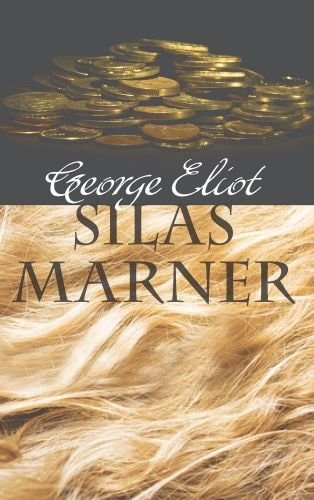
Oxford University Press
2010

Nabu Press
2010
Kessinger Publishing, LLC
2010

Nabu Press
2010
Hardpress Publishing
2010
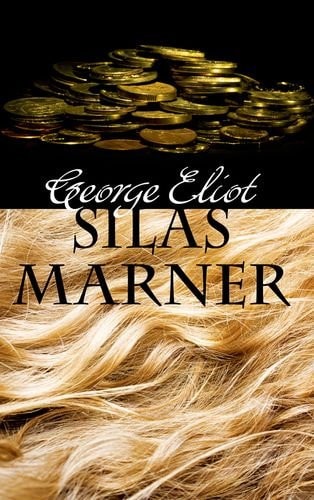
Oxford University Press España, S.A.
2010

Oxford University Press España, S.A.
2009

BiblioLife
2009
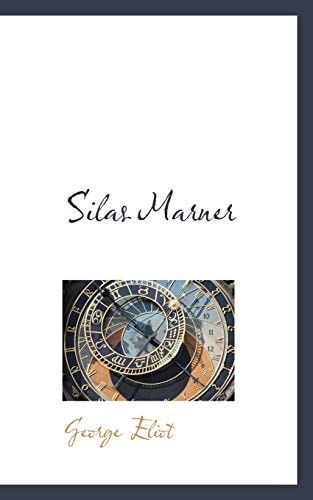
BiblioLife
2009

Bibliolife
2009
BiblioLife
2009

BiblioLife
2008
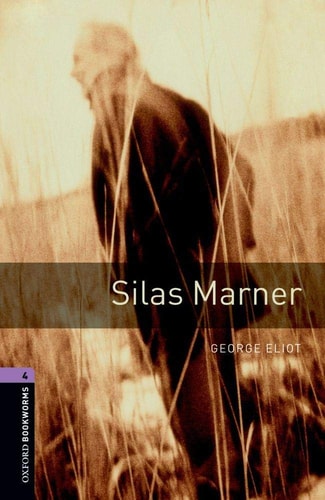
Oxford University Press
2008

Kessinger Publishing, LLC
2007
BiblioBazaar
2007

Kessinger Publishing
2005
Oup Oxford
1998

Penguin Classics
1997

Naxos Audio Books
1995

Curley Pub
1991

Buccaneer Books
1987
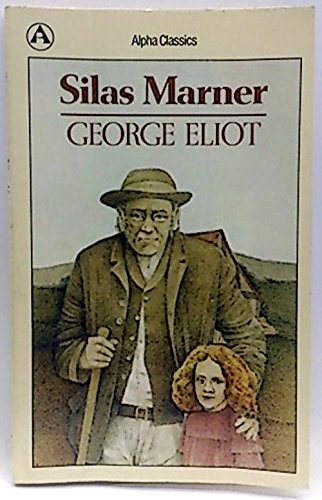
Oxford University Press
1979
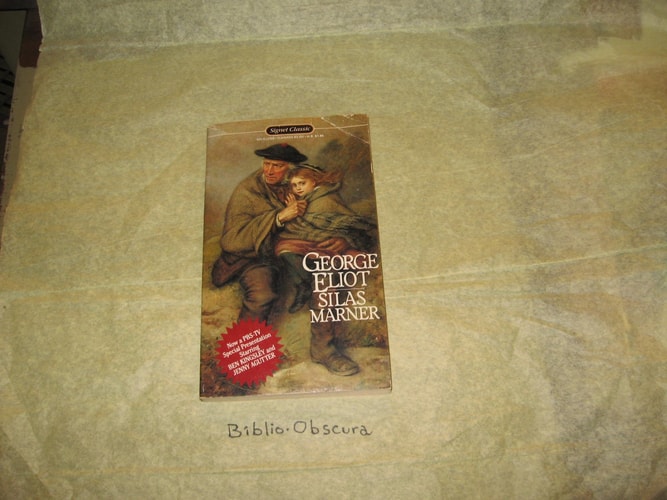
Signet Classics
1960
Similar Books


Reader Comments
Share Your Thoughts
No comments yet. Be the first to share your thoughts!