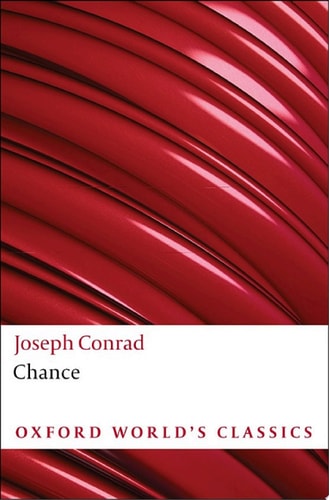
Chance
0
0
As an Amazon Associate and affiliate partner, Menrva Books earns from qualifying purchases. Learn more
Author Description
'no consideration, no delicacy, no tenderness, no scruples should stand in the way of a woman... from taking the shortest cut towards securing for herself the easiest possible existence' Chance(1914) was the first of Conrad's novels to bring him popular success and it holds a unique place among his works. It tells the story of Flora de Barral, a vulnerable and abandoned young girl who is 'like a beggar,without a right to anything but compassion'. After her bankrupt father is imprisoned, she learns the harsh fact that a woman in her position 'has no resources but in herself. Her only means of action is to be what she is.' Flora's long struggle to achieve some dignity and happiness makes her Conrad's most moving female character. Reflecting the contemporary interest in the New Woman and the Suffragette question, Chance also marks the final appearance of Marlow, Conrad's most effective and wise narrator. This revised edition uses the English first edition text and has a new chronology and bibliography. ABOUT THE SERIES: For over 100 years Oxford World's Classics has made available the widest range of literature from around the globe. Each affordable volume reflects Oxford's commitment to scholarship, providing the most accurate text plus a wealth of other valuable features, including expert introductions by leading authorities, helpful notes to clarify the text, up-to-date bibliographies for further study, and much more.
Menrva's Summary
THE PULSE
The narrative centers on the precarious life of Flora de Barral, whose existence is upended by her father's financial ruin and subsequent imprisonment. Flora must navigate a society that offers her little agency, forcing her to rely on her own resolve to secure dignity and stability. The story is presented through a complex, multi-layered narrative framework, utilizing the perspective of the recurring character Marlow to examine the social constraints placed upon women during the early twentieth century. As Flora attempts to forge a path toward happiness, she faces the opposition of societal expectations and the lingering trauma of her abandonment.
INSIDE THE PAGES
- Multi-layered, non-linear narrative structure
- Use of Marlow as a primary observer and narrator
- Exploration of the 'New Woman' archetype
- Examination of Victorian and Edwardian social hierarchies
- Focus on psychological interiority and character development
- Critique of financial corruption and its human cost
- Atmospheric prose reflecting maritime and urban settings
- Thematic focus on isolation and personal agency
THE COLLECTIVE ECHO
Readers and critics frequently highlight the intricate narrative structure as a defining feature of the work, noting how the use of multiple perspectives adds depth to the characterization of Flora de Barral. Discussion often centers on the book's role in marking a shift in Conrad's career toward broader popular appeal while maintaining his signature psychological complexity. Many observers point to the effective use of Marlow as a bridge between the reader and the often opaque motivations of the other characters. The text is frequently analyzed for its commentary on gender roles and the societal pressures faced by women during the period in which it was written. Readers often find the pacing deliberate, favoring character study and thematic exploration over rapid plot progression.
Page Count:
384
Publication Date:
2002-01-01
Publisher:
OUP Oxford
ISBN-10:
0191604399
ISBN-13:
9780191604393
Victorian
English & College Success
Fiction psychological
English
Fathers and daughters
Edwardian Literature
Classic Literature
Psychological
Young women
Community Tags
Other Editions(28)
Minerva Heritage
2024
Default edition
Independently published
2024

Independently Published
2021
Independently Published
2021
Independently Published
2021

Independently Published
2021
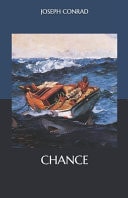
Independently Published
2020

Independently Published
2020

Independently Published
2019
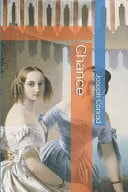
Independently Published
2019
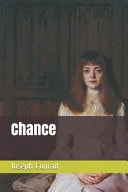
Independently Published
2019
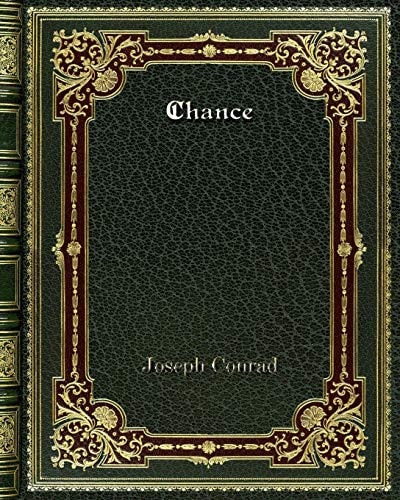
Blurb, Incorporated
2019

Amazon Digital Services LLC - KDP Print US
2018
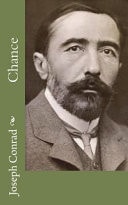
CreateSpace Independent Publishing Platform
2018

CreateSpace Independent Publishing Platform
2018
CreateSpace Independent Publishing Platform
2016
CreateSpace Independent Publishing Platform
2016
CreateSpace Independent Publishing Platform
2016

CreateSpace Independent Publishing Platform
2015
CreateSpace Independent Publishing Platform
2015
CreateSpace Independent Publishing Platform
2014

CreateSpace Independent Publishing Platform
2013

Charles River Editors
2012

ReadHowYouWant.com
2007

eBooksLib
2005
OUP Oxford
2002

ReadHowYouWant.com
2001
Penguin Classic
1984
Similar Books



Reader Comments
Share Your Thoughts
No comments yet. Be the first to share your thoughts!