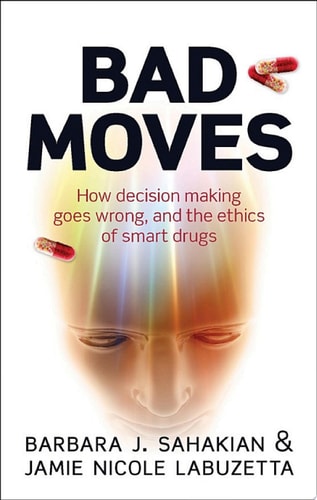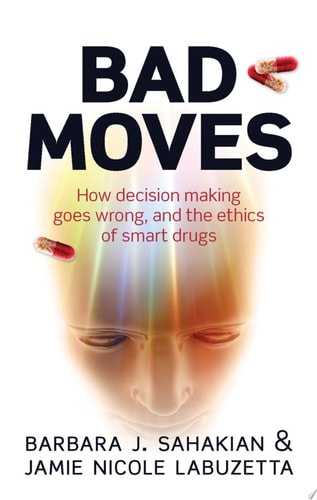
Bad Moves
0
0
As an Amazon Associate and affiliate partner, Menrva Books earns from qualifying purchases. Learn more
Author Description
Making Decisions Is Such A Regular Activity That It Is Mostly Taken For Granted. However, Damage Or Abnormality In The Areas Of The Brain Involved In Decision-making Can Severely Affect Personality And The Ability To Manage Even Simple Tasks. Here, Barbara Sahakian And Jamie Nicole Labuzetta Discuss The Process Of Normal Decision Making - Our Strategies For Making Decisions, Biases That Affect Us, And Influential Factors - And Then Describe The Abnormal Patterns Found In Patients With Conditions Such As Severe Depression, Alzheimer's, And Accidental Brain Damage. Using Striking Examples And Case Studies From Their Own Research To Show The Impact Of Abnormal Decision Making, They Introduce The Concept Of 'hot' And 'cold' Decision Making Based On The Level Of Emotions Involved, Showing That In Various Psychiatric Conditions Extreme Emotions Alter The Pattern Of Decision Making. Looking At The Ways In Which The Brain Can Be Manipulated To Improve Cognitive Function In These Patients, They Consider The Use Of 'smart Drugs' That Alleviate These Problems. The Realization That Smart Drugs Can Improve Cognitive Abilities In Healthy People Has Led To Growing General Use, With Drugs Easily Available Via The Internet. They Raise Ethical Questions About The Availability Of These Drugs For Cognitive Enhancement, In The Hope Of Informing Public Debate About An Increasingly Important Issue.
Menrva's Summary
THE THESIS
This book investigates the neurological mechanisms of decision-making and the ethical implications of using cognitive-enhancing drugs to treat or augment brain function. Authors Barbara Sahakian and Jamie Nicole LaBuzetta, both experts in clinical neuropsychology, synthesize research on how brain damage and psychiatric conditions disrupt normal decision-making processes. They argue that understanding the distinction between emotional and rational decision-making is critical for both clinical treatment and the broader societal debate surrounding pharmacological cognitive enhancement.
THE SCOPE MAP
What You Will Find
- Analysis of 'hot' and 'cold' decision-making frameworks
- Clinical case studies involving Alzheimer's, depression, and traumatic brain injury
- Discussion of pharmacological interventions and 'smart drugs'
- Ethical evaluation of cognitive enhancement in healthy populations
Scope Limits
- Does not provide a comprehensive medical guide for self-diagnosis
- Does not cover non-pharmacological methods of cognitive improvement in depth
THE AUTHORITY PERSPECTIVE
Experts recognize this work as a clear and accessible introduction to the intersection of neuropsychology and bioethics. Readers frequently note the balance between technical clinical research and the urgent ethical questions posed by the rise of cognitive-enhancing substances.
Page Count:
192
Publication Date:
2013-01-01
Publisher:
Oup Oxford
ISBN-10:
0191645524
ISBN-13:
9780191645525
Psychology
Non-Fiction
Medical Ethics
Neuroscience
Community Tags
Similar Books