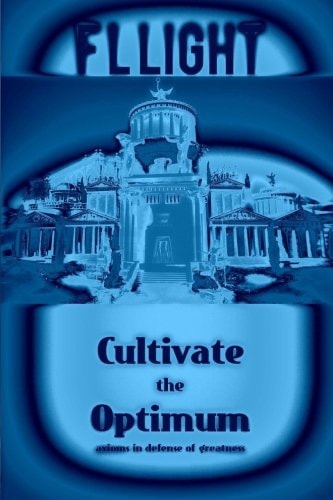
Cultivate the Optimum: In Defense of Greatness
0
0
As an Amazon Associate and affiliate partner, Menrva Books earns from qualifying purchases. Learn more
Author Description
Cultivate the Optimum The verse of aphoristic primacy to F L Light belongs, who in Cultivate the Optimum with nearly 1200 couplets asserts the canonic needfulness of form in poetry. The first chapter, Maxim Domination, maintains that classic prosody and rhetoric can never be excelled when used with ingenuity. Cultivate the Optimum, the second chapter, is a call for transcendent emulation worthy of the Greek tragedians. Comments on F L Light's translation of the Iliad: "It is always gratifying, it elevates the human spirit to see one our fellows...set his aim unbelievably high and incredibly hit the mark!" David Madgalene, bilingual author of "I Hear A Journeyman Singing" and many other books of verse. "Light has blended very well the traditions of Shakespeare, Homer, and the English language sonnet, without erring on the side of pretense. The language is high, direct, and modern. I'm thrilled with these." Zachary Bos, editor of Sixty Six: a journal of sonnet studies. "With a classical, controlled touch, F L Light pursues perfection in metrical form, whilst freely and deftly using resources from earlier phases of the language - something which many modern poets are afraid to do. This work succeeds in sharing with us some of the epic power of The Iliad, which is all too easily lost in translation." Joseph Biddulph, publisher and author of divers books on languages. "Certainly the oddest if most distinctive book of verse I've seen since Hector was a pup. The depth of your hatred for Keynesian economics, that could sustain you through 1564 tightly wrought couplets, is dumbfounding." - X. J. Kennedy on Shakespeare Versus Keynes. "I can certainly endorse the quotation on the back cover: 'he depth of your hatred for Keynesian economics...is dumbfounding.'" - Robert Skidelsky, renowned biographer of Keynes. "You've blended very well the traditions of Shakespeare, Homer, and the English language sonnet, without erring on the side of pretense. The language is high, direct, an
Menrva's Summary
THE THESIS
The book argues for the enduring necessity of formal structure and traditional prosody in poetry. F. Light, in this collection of aphoristic verse, presents nearly 1200 couplets to assert the canonic needfulness of form. The first chapter, 'Maxim Domination,' contends that classic prosody and rhetoric, when used with ingenuity, can never be excelled. The second chapter, 'Cultivate the Optimum,' serves as a call for transcendent emulation, drawing parallels to the Greek tragedians.
THE SCOPE MAP
- Explores the concept of 'aphoristic primacy' in poetry.
- Presents nearly 1200 couplets.
- Chapter 1: 'Maxim Domination'
- argues for the superiority of classic prosody and rhetoric.
- Chapter 2: 'Cultivate the Optimum'
- advocates for emulation of classical forms.
- Includes commentary on F. L. Light's translation of The Iliad.
- Discusses the depth of hatred for Keynesian economics within the verse.
- Blends traditions of Shakespeare, Homer, and the English language sonnet.
THE AUTHORITY PERSPECTIVE
The work has received notable endorsements from literary figures. David Madgalene praises Light's high aim and achievement in translating The Iliad, stating it elevates the human spirit. Zachary Bos commends the blend of classical traditions with direct, modern language, finding the work thrilling. Joseph Biddulph highlights Light's classical, controlled touch and skillful use of language, noting the success in conveying epic power. X. J. Kennedy and Robert Skidelsky remark on the 'dumbfounding' depth of the critique of Keynesian economics.
Page Count:
126
Publication Date:
2014-09-08
Publisher:
CreateSpace Independent Publishing Platform
ISBN-10:
1501030884
ISBN-13:
9781501030888
Poetry
Economics
Non-Fiction
Literary Criticism
Community Tags
Similar Books