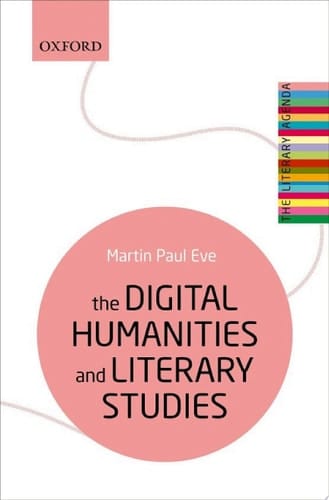
Digital Humanities and Literary Studies
0
0
Author Description
A Comprehensive Overview Into Digital Literary Studies That Equips Readers To Navigate The Difficult Contentions In This Space. The Literary Agenda Is A Series Of Short Polemical Monographs About The Importance Of Literature And Of Reading In The Wider World And About The State Of Literary Education Inside Schools And Universities. The Category Of 'the Literary' Has Always Been Contentious. What Is Clear, However, Is How Increasingly It Is Dismissed Or Is Unrecognised As A Way Of Thinking Or An Arena For Thought. It Is Sceptically Challenged From Within, For Example, By The Sometimes Rival Claims Of Cultural History, Contextualized Explanation, Or Media Studies. It Is Shaken From Without By Even Greater Pressures: By Economic Exigency And The Severe Social Attitudes That Can Follow From It; By Technological Change That May Leave The Traditional Forms Of Serious Human Communication Looking Merely Antiquated. For Just These Reasons This Is The Right Time For Renewal, To Start Reinvigorated Work Into The Meaning And Value Of Literary Reading. You May Have Heard Of The Digital Humanities--and What You May Have Heard May Not Have Been Good. Yet Like An Oncoming Storm, The Relentless Growth Of The Use Of Digital Methods For The Study Of Literature Seems Inevitable. This Book Gives An Insight Into The Ways In Which Digital Approaches Can Be Used To Study Literature And The Ways In Which Humanistic Study Can Be Used To Explore Digital Literature. Examining Its Subject Across The Axes Of Authorship, Space, And Visualization, Maps And Place, Distance And History, And Ethical Approaches To The Digital Humanities, This Book Introduces Newcomers To The Topic While Also Offering Plenty For Seasoned Digital Humanities Pros. Combining Original Research With Third-party Case Studies And Examples, This Book Will Appeal Both To Students And Researchers Across All Levels Who Wish To Learn About Digital Literary Studies.
Menrva's Summary
THE THESIS
How can digital methodologies be integrated into the study of literature to address the evolving challenges of the humanities in a technological age? Martin Paul Eve, a professor of literature, technology, and publishing, examines the intersection of computational methods and traditional literary analysis. He argues that digital tools do not replace humanistic inquiry but rather provide new frameworks for exploring authorship, spatiality, and historical distance.
THE SCOPE MAP
What You Will Find
- Analysis of authorship, spatial mapping, and data visualization in literary texts.
- Methodologies for exploring digital literature through humanistic lenses.
- Integration of original research alongside third-party case studies.
Scope Limits
- The text does not provide a comprehensive technical manual for coding or software development.
- It focuses primarily on literary studies rather than broader sociological impacts of digital technology.
THE AUTHORITY PERSPECTIVE
Scholars and students frequently identify this work as a balanced introduction to the field, noting its ability to bridge the gap between traditional literary theory and computational practice. Experts highlight the book's utility as a foundational text for those navigating the methodological tensions within modern humanities departments.
Page Count:
0
Publication Date:
2022-01-01
Publisher:
Oxford : Oxford University Press, 2022
ISBN-10:
0191947261
ISBN-13:
9780191947261
Technology
Informatique
Critique
Literature And Technology
Academic
Community Tags
Similar Books