Fathers and Sons
0
0
As an Amazon Associate and affiliate partner, Menrva Books earns from qualifying purchases. Learn more
Author Description
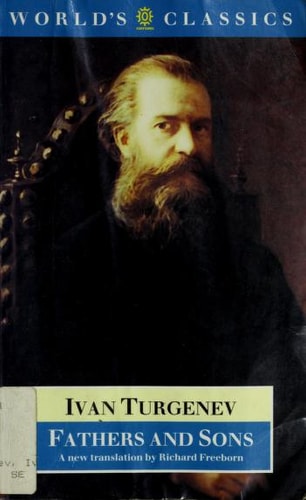
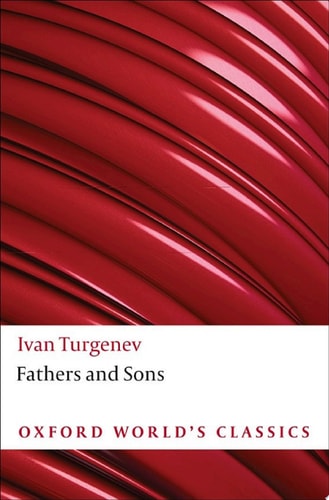
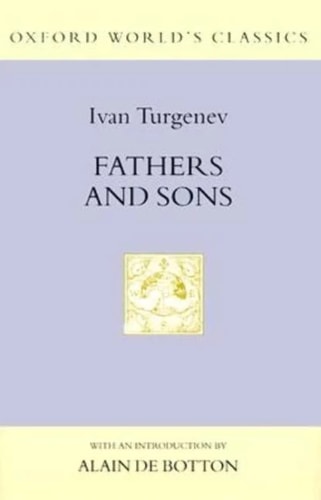
Fathers and Sons (1862), Turgenev's masterpiece, represents in its hero, Bazarov, 'the new man', a nihilist liberated from age-old conformities and at odds with the previous generation, questioning the very fabric of society. A novel of ideas, Fathers and Sons is also a moving story of human relationships.
Menrva's Summary
THE PULSE
The arrival of a young nihilist at his friend's family estate triggers a profound ideological clash between the traditionalist older generation and the radical youth. Bazarov, a medical student and self-proclaimed nihilist, rejects all established authority, tradition, and romantic sentiment in favor of a purely materialist worldview. His presence at the Kirsanov estate forces his friend Arkady to choose between his father's liberal values and his mentor's cold, analytical detachment. The narrative follows these shifting loyalties as the characters navigate social expectations, unrequited attraction, and the inevitable friction of changing times. The story unfolds through a third-person perspective that balances intimate character studies with broader social observations.
INSIDE THE PAGES
- Exploration of the generational divide in 19th-century Russia
- Examination of nihilism as a social and philosophical movement
- Detailed character study of the archetype of the 'new man'
- Contrast between rural estate life and urban intellectualism
- Integration of romantic subplots to test ideological convictions
- Use of dialogue to represent competing worldviews
- Focus on the tension between scientific rationalism and human emotion
- Realistic depiction of social hierarchies and class dynamics
THE COLLECTIVE ECHO
Discussion often centers on the nuanced portrayal of Bazarov, who remains one of the most debated figures in Russian literature due to his uncompromising rejection of societal norms. Readers frequently highlight how the text captures the specific historical anxiety of the 1860s while maintaining relevance through its exploration of universal parent-child conflicts. Critics often note the balance between Turgenev's objective, observational style and the emotional weight of the characters' personal failures. The work is frequently cited for its ability to present conflicting ideologies without resorting to caricature, allowing both the traditionalists and the radicals to voice their perspectives clearly. Many readers appreciate the atmospheric descriptions of the Russian countryside which serve as a backdrop to the internal shifts of the protagonists.
Page Count:
256
Publication Date:
2000-03-09
Publisher:
Oxford University Press
ISBN-10:
0192100408
ISBN-13:
9780192100405
Russian
Soviet Union
Fathers and sons
Classic Literature
Realism
Social Commentary
Philosophical