Great Expectations
0
0
As an Amazon Associate and affiliate partner, Menrva Books earns from qualifying purchases. Learn more
Author Description
Great Expectations is the thirteenth novel by Charles Dickens and his penultimate completed novel. It depicts the education of an orphan nicknamed Pip (the book is a bildungsroman; a coming-of-age story). It is Dickens' second novel, after David Copperfield, to be fully narrated in the first person. The novel was first published as a serial in Dickens's weekly periodical All the Year Round, from 1 December 1860 to August 1861. In October 1861, Chapman and Hall published the novel in three volumes. The novel is set in Kent and London in the early to mid-19th century and contains some of Dickens's most celebrated scenes, starting in a graveyard, where the young Pip is accosted by the escaped convict Abel Magwitch. Great Expectations is full of extreme imagery – poverty, prison ships and chains, and fights to the death – and has a colourful cast of characters who have entered popular culture. These include the eccentric Miss Havisham, the beautiful but cold Estella, and Joe, the unsophisticated and kind blacksmith. Dickens's themes include wealth and poverty, love and rejection, and the eventual triumph of good over evil. Great Expectations, which is popular both with readers and literary critics, has been translated into many languages and adapted numerous times into various media.
Menrva's Summary
THE PULSE
The life of an orphan named Pip is irrevocably altered when a terrifying encounter in a graveyard sets him on a path toward social ambition and moral discovery. Pip seeks to transcend his humble origins as a blacksmith's apprentice to become a gentleman, driven by his infatuation with the cold Estella and the influence of the reclusive Miss Havisham. He faces internal conflict regarding his own integrity and external pressure from the rigid class structures of 19th-century England. The narrative is presented through a first-person perspective, reflecting on the protagonist's growth and the consequences of his choices.
INSIDE THE PAGES
- First-person retrospective narration
- Bildungsroman structure tracking moral development
- Gothic atmosphere in settings like Satis House
- Satirical characterizations of the Victorian legal and social systems
- Use of symbolic imagery including prison ships and decaying wedding finery
- Complex interplay between wealth, class, and personal identity
- Serialized narrative pacing with distinct episodic climaxes
- Exploration of guilt and the burden of past secrets
THE COLLECTIVE ECHO
Discussion often centers on the psychological depth of Pip's transformation from a naive child to a disillusioned adult. Readers frequently highlight the effectiveness of Dickens's atmospheric world-building, particularly the stark contrast between the marshes of Kent and the urban sprawl of London. Critics often examine the thematic threads of social mobility and the moral corruption inherent in the pursuit of status. The balance between character-driven introspection and the dramatic plot twists remains a frequent topic of analysis in academic circles. Many readers appreciate how the narrative avoids simple moral binaries, instead focusing on the nuanced evolution of the protagonist's values.
Page Count:
528
Publication Date:
1987-01-01
Publisher:
Oxford University Press
ISBN-10:
0192501283
ISBN-13:
9780192501288
Bildungsroman
Victorian
Social Commentary
Historical
Classic Literature
Community Tags
Other Editions(20)
CreateSpace Independent Publishing Platform
2017
Default edition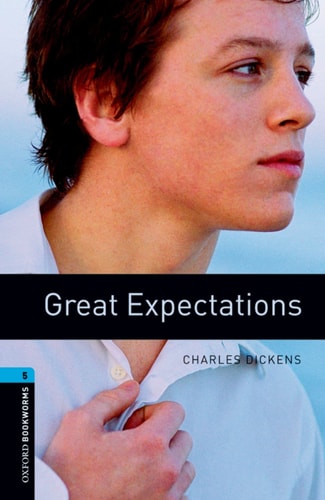
Oxford University Press España, S.A.
2016
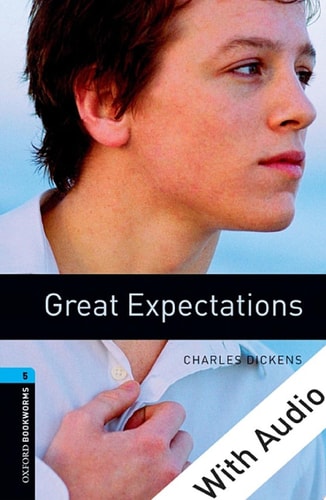
Oxford University Press
2014

Bloomsbury UK
2012
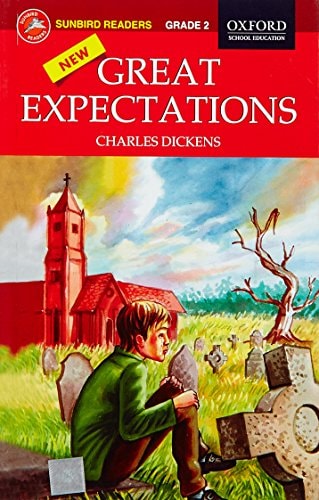
Oxford
2010
OXFORD
2009

IBS BOOKS (UK)
2008
Oxford University Press
2007
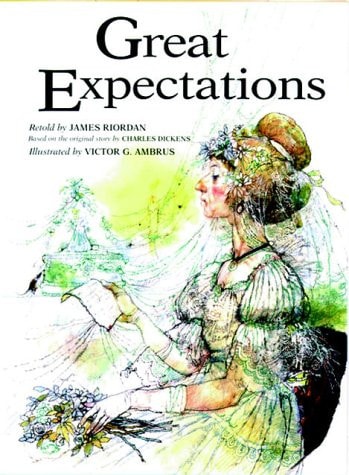
Oxford University Press
2002
Savvas Learning Company
2000
Oxford University Press
1999
Oxford University Press
1998
Oxford University Press
1994
Clarendon Press
1993
Oxford University Press
1987
Oxford University Press
1987
Oxford University Press
1967
Holt, Rinehart and Winston
1948
Oxford Medical Publications
1900
Armada
1861
Similar Books

Reader Comments
Share Your Thoughts
No comments yet. Be the first to share your thoughts!