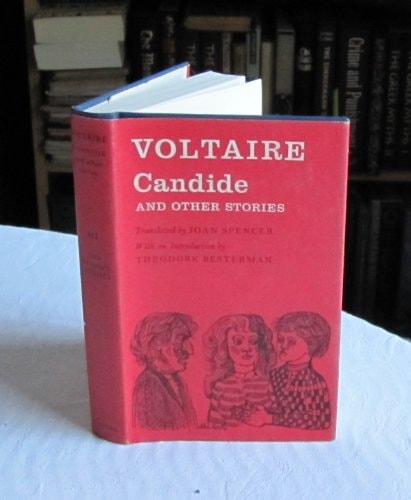
Candide and Other Stories
0
0
As an Amazon Associate and affiliate partner, Menrva Books earns from qualifying purchases. Learn more
Author Description
No description available.
Menrva's Summary
THE PULSE
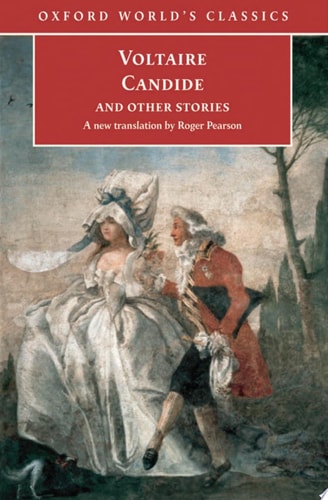
The narrative follows the naive protagonist Candide as he is expelled from his sheltered existence and forced to confront the harsh, chaotic realities of the world. Candide seeks to reunite with his beloved Cunégonde while navigating a series of absurd and violent misfortunes that challenge his tutor Pangloss’s optimistic philosophy. The world is presented as a series of disjointed, fast-paced episodes where characters encounter war, natural disasters, and systemic corruption. The narrative framework utilizes a third-person omniscient perspective to highlight the irony of the protagonist's experiences against the backdrop of Enlightenment-era social critique.
INSIDE THE PAGES
- Use of biting irony to critique religious and political institutions
- Episodic structure that spans multiple continents
- Philosophical debates embedded within absurd scenarios
- Caricature-based character development
- Pacing that prioritizes rapid plot progression over internal reflection
- Satirical treatment of Leibnizian optimism
- Frequent use of coincidental reunions to drive the plot
- Emphasis on the necessity of practical labor over abstract speculation
THE COLLECTIVE ECHO
Readers and critics frequently highlight the work's sharp wit and its enduring relevance as a critique of blind optimism. Discussion often centers on the contrast between the protagonist's initial naivety and the grim, unpredictable nature of the world he inhabits. The pacing is noted for its relentless speed, which serves to emphasize the absurdity of the characters' repeated misfortunes. Many observers appreciate how the text balances philosophical inquiry with dark humor, making it a foundational piece of satirical literature. The final conclusion regarding the importance of cultivating one's own garden remains a frequent point of analysis in academic and casual discourse alike.
Page Count:
414
Publication Date:
1972-01-01
Publisher:
Oxford Univ Pr
ISBN-10:
0192506110
ISBN-13:
9780192506115
Philosophy
Satire
Classic Literature
New Used & Rental Textbooks
European
Short Stories