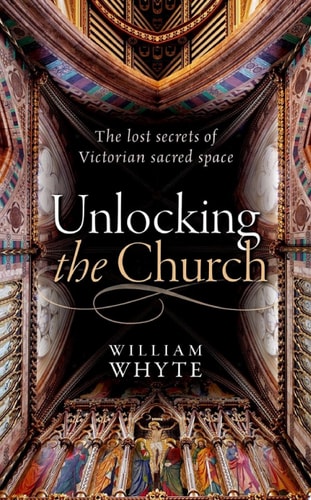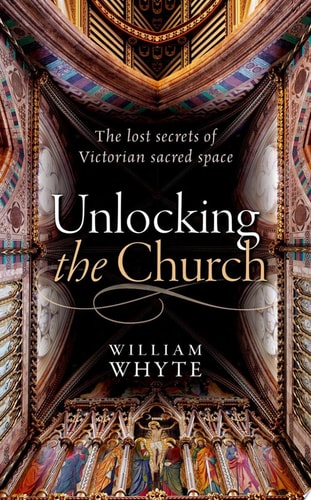
Unlocking the Church
0
0
As an Amazon Associate and affiliate partner, Menrva Books earns from qualifying purchases. Learn more
Author Description
The Victorians Built Tens Of Thousands Of Churches In The Hundred Years Between 1800 And 1900. Wherever You Might Be In The English-speaking World, You Will Be Close To A Victorian Built Or Remodelled Ecclesiastical Building. Contemporary Experience Of Church Buildings Is Almost Entirely Down To The Zeal Of Victorians Such As John Henry Newman, Samuel Wilberforce And Augustus Pugin, And Their Ideas About The Role Of Architecture In Our Spiritual Life And Well-being. In Unlocking The Church, William Whyte Explores A Forgotten Revolution In Social And Architectural History And In The History Of The Church. He Details The Architectural And Theological Debates Of The Day, Explaining How The Tractarians Of Oxford And The Ecclesiologists Of Cambridge Were Embroiled In The Aesthetics Of Architecture, And How The Victorians Profoundly Changed The Ways In Which Buildings Were Understood And Experienced. No Longer Mere Receptacles For Worship, Churches Became Active Agents In Their Own Rights, Capable Of Conveying Theological Ideas And Designed To Shape People's Emotions. These Church Buildings Are Now A Challenge: Their Maintenance, Repair Or Repurposing Are Pressing Problems For Parishes In Age Of Declining Attendance And Dwindling Funds. By Understanding Their Past, Unlocking The Secrets Of Their Space, There Might Be Answers In How To Deal With The Legacy Of The Victorians Now And Into The Future.
Menrva's Summary
THE THESIS
This book investigates how Victorian-era architectural and theological shifts transformed church buildings from passive spaces into active agents of spiritual and emotional influence. William Whyte, a professor of social and architectural history, utilizes a synthesis of primary source documents, architectural analysis, and historical records to argue that the Victorian obsession with church design fundamentally altered the human experience of worship. He examines the competing ideologies of the Oxford Tractarians and the Cambridge Ecclesiologists to demonstrate how these groups utilized aesthetics to shape the religious landscape of the nineteenth century.
THE SCOPE MAP
What You Will Find
- Analysis of the architectural and theological debates between the Oxford Movement and the Cambridge Camden Society.
- Historical context regarding the rapid expansion of church construction between 1800 and 1900.
- Examination of the role of key figures such as John Henry Newman, Samuel Wilberforce, and Augustus Pugin.
- Discussion of contemporary challenges regarding the maintenance and repurposing of historic ecclesiastical structures.
Scope Limits
- The text focuses primarily on the English-speaking world, with a specific emphasis on British ecclesiastical developments.
- It does not provide a comprehensive technical manual for the physical restoration of specific building materials.
THE AUTHORITY PERSPECTIVE
Scholars and architectural historians frequently cite this work as a definitive study on the intersection of nineteenth-century theology and built environments. Readers note the academic rigor of the prose, which effectively bridges the gap between specialized architectural history and broader social history.
Page Count:
240
Publication Date:
2017-01-01
Publisher:
Oxford University Press
ISBN-10:
0192515926
ISBN-13:
9780192515926
Religion
History
Architecture
Ecclesiastical History
Community Tags
Similar Books