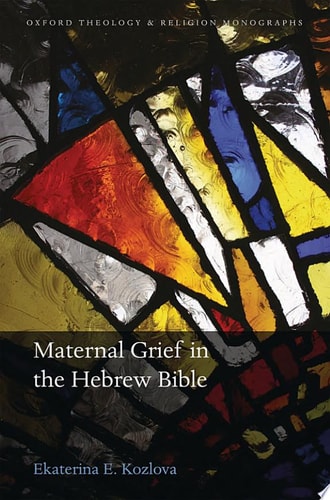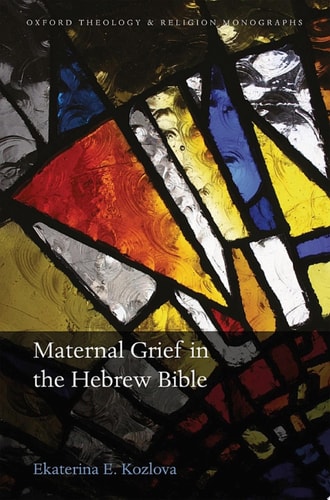
Maternal Grief in the Hebrew Bible
0
0
As an Amazon Associate and affiliate partner, Menrva Books earns from qualifying purchases. Learn more
Author Description
Setting out from the observation made in the social sciences that maternal grief can at times be a motor of societal change, Ekaterina E. Kozlova demonstrates that a similar mechanism operates also in the biblical world. Kozlova argues that maternal grief is treated as a model or archetype of grief in biblical and Ancient Near Eastern literature. The work considers three narratives and one poem that illustrate the transformative power of maternal grief in the biblical presentation: Gen 21, Hagar and Ishmael in the desert; 2 Sam 21: 1-14, Rizpah versus King David; 2 Sam 14, the speech of the Tekoite woman; Jer 31: 15-22, Rachel weeping for her children. Although only one of the texts literally refers to a bereaved mother (2 Sam 21 on Rizpah), all four passages draw on the motif of maternal grief, and all four stage some form of societal transformation.
Menrva's Summary
THE THESIS
This work investigates the function of maternal grief as a catalyst for societal change within the Hebrew Bible and Ancient Near Eastern literature. Ekaterina E. Kozlova, a scholar in theology and religion, utilizes a comparative framework that bridges social science observations with ancient textual analysis. She argues that maternal grief serves as a recurring archetype, demonstrating how these narratives utilize the emotional experience of mothers to drive political and social transformation.
THE SCOPE MAP
What You Will Find
- Analysis of four specific biblical passages: Genesis 21, 2 Samuel 21:1-14, 2 Samuel 14, and Jeremiah 31:15-22.
- A comparative methodology linking social science theories of grief to ancient literary motifs.
- Examination of the rhetorical power of the bereaved mother figure in political discourse.
Scope Limits
- The study does not provide an exhaustive survey of all grief-related texts in the Hebrew Bible.
- It focuses primarily on the transformative social function of the motif rather than a psychological profile of grief itself.
THE AUTHORITY PERSPECTIVE
Scholars in the field of biblical studies recognize this monograph as a specialized contribution to the intersection of gender studies and ancient political theology. Readers frequently note the academic density of the prose, which is tailored for an audience familiar with critical biblical exegesis and Ancient Near Eastern historical contexts.
Page Count:
262
Publication Date:
2017-01-01
Publisher:
OUP Oxford
ISBN-10:
019251704X
ISBN-13:
9780192517043
Religion
Gender Studies
Theology
Bibles
Near Eastern Studies