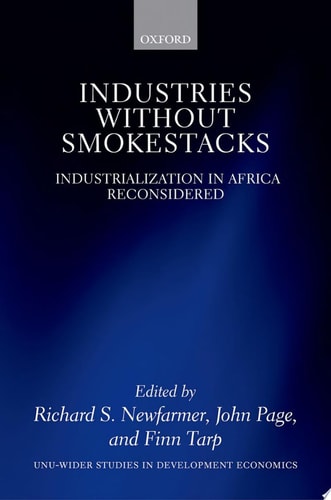
Industries Without Smokestacks: Industrialization in Africa Reconsidered
0
0
As an Amazon Associate and affiliate partner, Menrva Books earns from qualifying purchases. Learn more
Author Description
By 2030 More Than Three Quarters Of The World's Absolute Poor Are Projected To Live In Africa. Accelerating Economic Growth Is Key To Rising Incomes On The Continent, And Central To This Challenge Is Establishing Activities That Are Capable Of Employing Large Numbers Of Unskilled Workers, That Can Raise Productivity Through Innovation, And That Can Power Growth Through Exports. Such Structural Transformation Is A Key Driver Of Growth, And Between 1950-1996 About Half Of The Economic Catch-up By Developing Countries (led By East Asia) Was Due To Rising Productivity In Manufacturing Combined With Growing Agricultural Output. Africa, However, Has Lagged Behind. In 2014, The Average Share Of Manufacturing In Gdp In Sub-saharan Africa Hovered Around 10 Per Cent, Unchanged From The 1970s, Leading Some Observers To Be Pessimistic About Africa's Potential To Catch The Wave Of Sustained Rapid Growth And Rising Incomes. Industries Without Smokestacks: Industrialization In Africa Reconsidered Challenges This View. It Argues That Other Activities Sharing The Characteristics Of Manufacturing- Including Tourism, Ict, And Other Services As Well As Food Processing And Horticulture- Are Beginning To Play A Role Analogous To That Played By Manufacturing In East Asia. This Reflects Not Only Changes In The Global Organization Of Industries Since The Early Era Of Rapid East Asian Growth, But Also Advantages Unique To Africa. These 'industries Without Smokestacks' Offer New Opportunities For Africa To Grow In Coming Decades.
Menrva's Summary
THE THESIS
Can African nations achieve rapid economic growth and structural transformation by leveraging service-oriented industries rather than traditional manufacturing? The authors, a team of economists including John M. Page Jr., Richard Newfarmer, and Finn Tarp, utilize historical data and comparative economic analysis to challenge the conventional view that manufacturing is the only path to development. They argue that sectors such as tourism, information and communication technology, and agro-processing possess the necessary characteristics to drive productivity and employment in the African context.
THE SCOPE MAP
What You Will Find
- Comparative analysis of East Asian industrialization models versus current African economic trends.
- Identification of 'industries without smokestacks' including tourism, ICT, and horticulture.
- Evaluation of productivity growth potential in service-based sectors.
Scope Limits
- The text does not provide a comprehensive policy manual for individual nations.
- The analysis focuses primarily on macro-economic trends rather than micro-level firm management.
THE AUTHORITY PERSPECTIVE
Experts in development economics recognize this work as a significant contribution to the debate on African industrial policy. Readers frequently note the academic rigor and the clear, data-driven approach used to reframe the potential for growth in the region.
Page Count:
480
Publication Date:
2019-01-01
Publisher:
Oxford University Press
ISBN-10:
0192554999
ISBN-13:
9780192554994
Economics
Community Tags
Similar Books