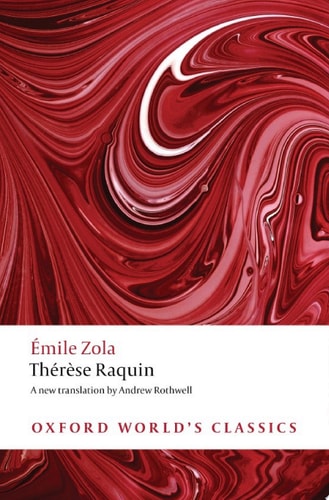
Thérèse Raquin
0
0
As an Amazon Associate and affiliate partner, Menrva Books earns from qualifying purchases. Learn more
Author Description
Thérèse Raquin is a clinically observed, sinister tale of adultery and murder among the lower orders in nineteenth-century Paris. Zola's dispassionate dissection of the motivations of his characters, mere `human beasts' who kill in order to satisfy their lust, is much more than an atmospheric Second Empire period-piece. Many readers were scandalized by an approach to character-drawing which seemed to undermine not only the moral values of a deeply conservative society, but also the whole code of psychological description on which the realist novel was based. Together with the important `Preface to the Second Edition' in which Zola defended himself against charges of immorality, Thérèse Raquin stands as a key early manifesto of the French Naturalist movement, of which Zola was the founding father. Even today, this novel has lost none of its power to shock. This new translation is based on the second edition of 1868. The Introduction situates the novel in the context of Naturalism, medicine, and the scientific ideas of Zola's day. ABOUT THE SERIES: For over 100 years Oxford World's Classics has made available the widest range of literature from around the globe. Each affordable volume reflects Oxford's commitment to scholarship, providing the most accurate text plus a wealth of other valuable features, including expert introductions by leading authorities, helpful notes to clarify the text, up-to-date bibliographies for further study, and much more.
Menrva's Summary
THE PULSE
A stifling marriage leads to a clandestine affair that spirals into a calculated murder and subsequent psychological disintegration. Thérèse Raquin, trapped in a loveless marriage to her sickly cousin Camille, begins a passionate and dangerous affair with Camille's friend, Laurent. Driven by their mutual desire to escape their current circumstances, the lovers commit a brutal act that binds them together in guilt and paranoia. The narrative follows their descent into madness as the memory of their crime and the presence of Camille's mother haunt their every interaction. Zola employs a clinical, detached perspective to examine the physiological and psychological consequences of their actions within the claustrophobic setting of nineteenth-century Paris.
INSIDE THE PAGES
- Clinical, detached narrative voice
- Exploration of hereditary and environmental influences on human behavior
- Claustrophobic urban setting
- Focus on physiological reactions to guilt
- Subversion of traditional moral frameworks
- Detailed character studies of 'human beasts'
- Integration of scientific and medical metaphors
- Manifestation of Naturalist literary principles
THE COLLECTIVE ECHO
Readers and critics frequently identify this work as a foundational text of the Naturalist movement, noting its departure from romanticized character portrayals. Discussion often centers on Zola's unflinching examination of human instinct and the physiological manifestations of guilt. Many observers highlight the novel's oppressive atmosphere, which mirrors the internal decay of the protagonists. The text is often analyzed for its scientific approach to human behavior, which challenged the moral sensibilities of its contemporary audience. Scholars continue to examine how the author's background in medicine influenced the precise, almost surgical, description of his characters' psychological states.
Page Count:
256
Publication Date:
2016-01-01
Publisher:
OUP Oxford
ISBN-10:
0192593161
ISBN-13:
9780192593160
Crime
Naturalism
English & College Success
Realism
Psychological
classic
French literature
English
Community Tags
Other Editions(26)
BoD - Books on Demand
2023
Default edition
Avarang Books
2023

Mint Editions
2021

Independently Published
2021
Mint Editions
2021

Independently Published
2021

Independently Published
2020

Independently Published
2020

Independently Published
2020

Independently Published
2020

Independently Published
2020
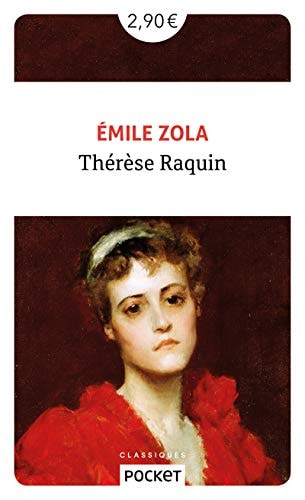
Pocket
2019

BoD - Books on Demand
2018

Independently Published
2018
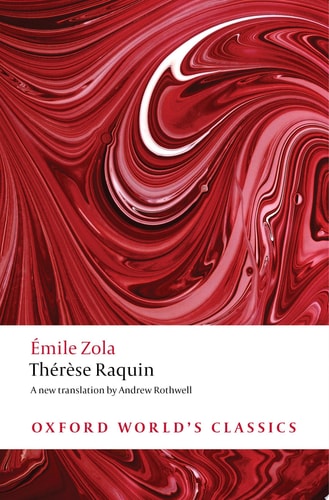
Oxford University Press
2016

CreateSpace Independent Publishing Platform
2016

CreateSpace Independent Publishing Platform
2016
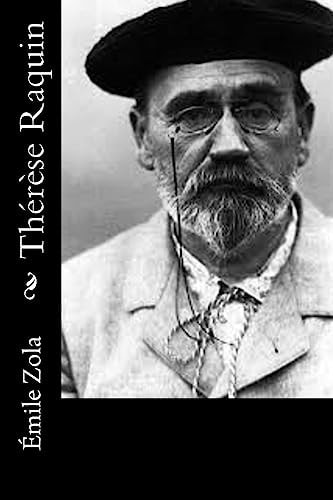
CreateSpace Independent Publishing Platform
2016
OUP Oxford
2016
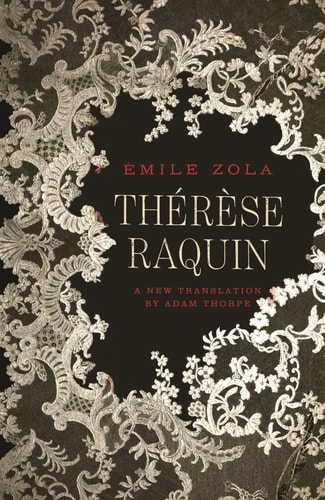
Vintage Books
2013

Digireads.com
2011

Gallimard
1998

Oxford University Press
1998
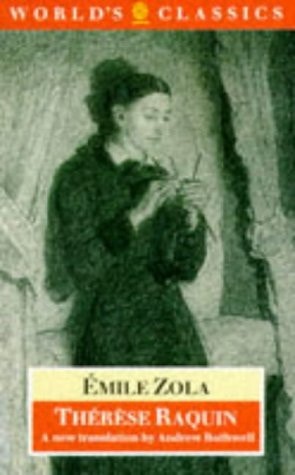
Oxford University Press
1992
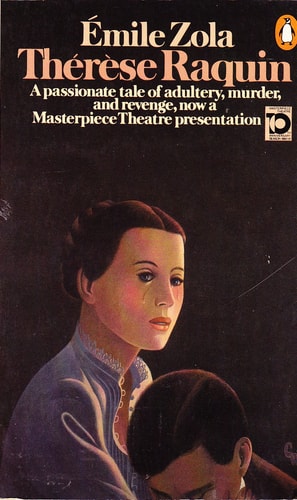
Penguin Books
1981

Cambridge University Press
1922
Similar Books





Reader Comments
Share Your Thoughts
No comments yet. Be the first to share your thoughts!