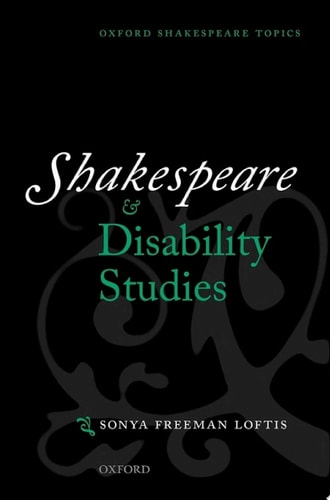
Shakespeare and Disability Studies
0
0
As an Amazon Associate and affiliate partner, Menrva Books earns from qualifying purchases. Learn more
Author Description
Shakespeare And Disability Studies Argues That An Understanding Of Disability Theory Is Essential For Scholars, Teachers, And Directors Who Wish To Create More Inclusive And Accessible Theatrical And Pedagogical Encounters With Shakespeare's Plays. Previous Work In The Field Of Early Modern Disability Studies Has Focused Largely On Renaissance Characters That A Modern Audience Might View As Disabled. This Volume Argues That The Conception Of Disability As Residing Within Individual Literary Characters Limits Understandings Of Disability In Shakespeare: By Theorizing Disability Vis-a-vis Characters, Previous Studies Have Largely Overlooked Readers, Performers, And Audience Members Who Self-identify As Disabled. Focusing On Issues Such As Accessible Performances, Inclusive Casting, And Shakespeare-based Therapy, Shakespeare And Disability Studies Reinvigorates Textual Approaches To Disability In Shakespeare By Reading Accessibility As An Art Form And Exploring Both The Powers And Potential Limits Of Universal Design In Theatrical Performance. The Book Examines The Complex Interdependence Among The Concepts Of Theory, Access, And Inclusion--demonstrating The Crucial Role Of Disability Theory In Building Access And Examining The Ways That Access May Both Open And Foreclose Inclusive Dramatic Practice. Shakespeare And Disability Studies Challenges Shakespearians, From Students To Audience Members, From Classroom Teachers To Theatre Practitioners, To Consider How Shakespeare, As Industry, As High Art, And As Cultural Symbol, Impacts The Lived Reality Of Those With Disabled Bodies And/or Minds--publisher's Description.
Menrva's Summary
THE THESIS
This volume investigates how disability theory can transform theatrical and pedagogical engagements with Shakespeare by shifting focus from individual characters to the lived experiences of disabled readers, performers, and audience members. Sonya Freeman Loftis, an established scholar in early modern literature and disability studies, argues that traditional approaches often limit disability to a character trait. By integrating disability theory into the broader Shakespearean industry, the author proposes a framework where accessibility is treated as an art form rather than a mere logistical requirement.
THE SCOPE MAP
What You Will Find
- Analysis of inclusive casting and accessible performance practices
- Examination of Shakespeare-based therapy and pedagogical applications
- Theoretical exploration of universal design in theatrical spaces
- Critique of the Shakespeare industry as a cultural symbol
Scope Limits
- Does not provide a comprehensive history of disability in the Renaissance period
- Does not offer a step-by-step manual for theater production management
THE AUTHORITY PERSPECTIVE
Scholars and theater practitioners identify this work as a significant intervention in the field of early modern studies. Readers frequently note the text's ability to bridge the gap between abstract disability theory and the practical realities of inclusive performance.
Page Count:
0
Publication Date:
2021-01-01
Publisher:
Oxford, United Kingdom : Oxford University Press,
ISBN-10:
0192650068
ISBN-13:
9780192650061
Pedagogy
Performance theory
Literary Criticism
In literature
Theater Studies
Community Tags
Other Editions(2)
Similar Books