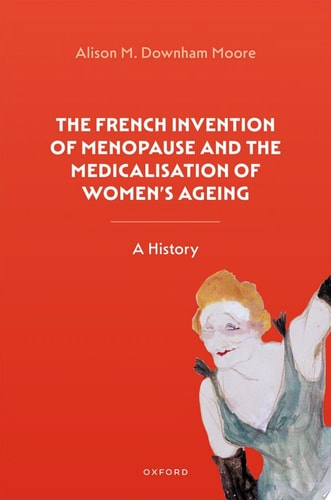
The French Invention of Menopause and the Medicalisation of Women's Ageing
0
0
As an Amazon Associate and affiliate partner, Menrva Books earns from qualifying purchases. Learn more
Author Description
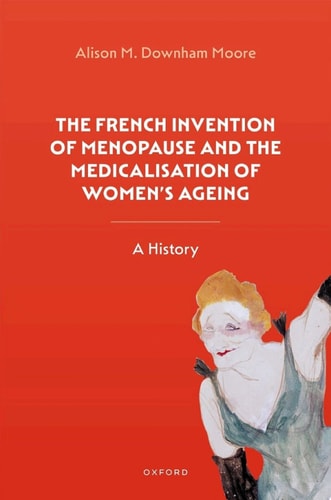
Doctors Writing About Menopause In France Vastly Outnumbered Those In Other Cultures Throughout The Entire Nineteenth Century. The Concept Of Menopause Was Invented By French Male Medical Students In The Aftermath Of The French Revolution, Becoming An Important Pedagogic Topic And A Common Theme Of Doctors' Professional Identities In Postrevolutionary Biomedicine. Older Women Were Identified As An Important Patient Cohort For The Expanding Medicalisation Of French Society And Were Advised To Entrust Themselves To The Hygienic Care Of Doctors In Managing The Whole Era Of Life From Around And After The Final Cessation Of Menses. However, Menopause Owed Much Of Its Conceptual Weft To Earlier Themes Of Women As The Sicker Sex, Of Vitalist Crisis, Of The Vapours, And Of Astrological Climacteric Years. This Is The First Comprehensive Study Of The Origins Of The Medical Concept Of Menopause, Richly Contextualising Its Role In Nineteenth-century French Medicine And Revealing The Complex Threads Of Meaning That Informed Its Invention. It Tells A Complex Story Of How Women's Ageing Featured In The Demographic Revolution In Modern Science, In The Denigration Of Folk Medicine, In The Unique French Field Of Hygiène, And In The Fixation On Women In The Emergence Of Modern Psychiatry. It Reveals The Nineteenth-century French Origins Of The Still-current Medical And Alternative-health Approaches To Women's Ageing As Something To Be Managed Through Gynaecological Surgery, Hormonal Replacement, And Lifestyle Intervention.
Menrva's Summary
THE THESIS
This book investigates the historical origins of the medical concept of menopause, specifically examining how it was constructed by French medical professionals during the nineteenth century. Alison M. Downham Moore, a scholar in the history of medicine, utilizes a wide array of medical texts, pedagogical materials, and professional journals from post-revolutionary France. She argues that the medicalization of menopause was not a neutral scientific discovery but a deliberate conceptual invention tied to the professional identity of doctors and the broader demographic shifts of the era. By analyzing the transition from folk medicine to clinical biomedicine, the author demonstrates how the female aging process became a primary target for medical intervention and management.
THE SCOPE MAP
What You Will Find
- Analysis of nineteenth-century French medical literature and pedagogical texts.
- Examination of the intersection between the French Revolution and the professionalization of medicine.
- Exploration of the historical roots of modern gynecological and hormonal management of aging.
- Discussion of the influence of vitalism, the concept of the 'sicker sex,' and the field of hygiène.
Scope Limits
- The study is geographically restricted to France and does not provide a global comparative history of menopause.
- The research focuses primarily on the medical discourse of the nineteenth century rather than the lived experiences of women during that period.
THE AUTHORITY PERSPECTIVE
Scholars in the history of science and gender studies recognize this work as a rigorous examination of how medical categories are socially constructed. Readers frequently note the academic density of the prose, which provides a detailed look at the specific institutional pressures that shaped modern views on women's health.
Page Count:
501
Publication Date:
2022-01-01
Publisher:
Oxford University Press
ISBN-10:
0192654527
ISBN-13:
9780192654526
History
France
Sociology
MEDICAL History
Womens Studies
Gender Studies
Community Tags
Similar Books