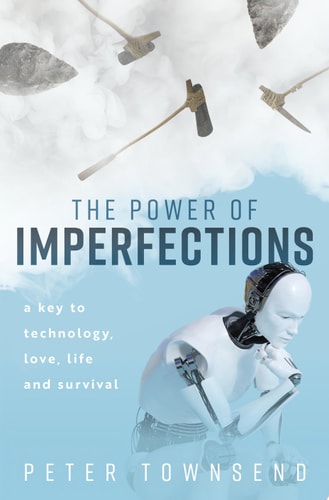
The Power of Imperfections: A Key to Technology, Love, Life and Survival
0
0
As an Amazon Associate and affiliate partner, Menrva Books earns from qualifying purchases. Learn more
Author Description
It may be surprising to focus on and praise imperfection, but, in reality, perfection is a fiction. Every aspect of our technologies is based on understanding and exploiting imperfections in the materials we use. Imperfections are key to our use of metals, glass, electronics, computers, optical fibres, and building materials. Catalysis, as used throughout chemical industries, is dependent on imperfections, as are a wide range of modern advances in biology and medicine. This book provides examples in each area that are readily understandable to non-scientists but also aim to offer a far deeper insight into how the technologies and disciplines advance and operate. However, once we change our focus from idealised perfection to reality, the implications can extend far beyond the realm of the sciences. The second part of the book examines the importance of our ability to recognise and adapt to imperfections in such wide-ranging areas as cookery, successful career development, love, life, and the survival of humanity. Using a broad range of accessible examples, this book aims to give readers the tools to recognize technological imperfections and apply those lessons to improving several key aspects of our lives, crucially enabling them to define a world that will survive current excesses and environmental destruction.
Menrva's Summary
THE THESIS
This book investigates the premise that imperfection, rather than perfection, is the foundational driver of technological advancement and human success. Peter Townsend, drawing on his background in materials science, argues that the physical world functions precisely because of flaws in materials. By shifting the focus from idealized perfection to the reality of imperfection, the author provides a framework for applying these scientific principles to personal development, relationships, and global survival strategies.
THE SCOPE MAP
What You Will Find
- Analysis of material science applications in glass, electronics, and optical fibers
- Examination of catalysis in chemical, biological, and medical fields
- Practical strategies for adapting to imperfections in career development and interpersonal relationships
- Philosophical arguments regarding the survival of humanity in the face of environmental challenges
Scope Limits
- Does not provide exhaustive technical manuals for specific engineering disciplines
- Does not offer a singular, prescriptive self-help program for individual life management
THE AUTHORITY PERSPECTIVE
Readers frequently note the accessible nature of the prose, which bridges the gap between complex scientific concepts and everyday life applications. Experts highlight this as a thought-provoking synthesis that encourages a shift in perspective regarding how we value flaws in both engineered systems and human experiences.
Page Count:
336
Publication Date:
2022-01-01
Publisher:
OUP Oxford
ISBN-10:
0192671952
ISBN-13:
9780192671950
Philosophy
Personal Development
Science
Earth Sciences
Integrated Sciences
Sociology
Technology
Community Tags
Similar Books