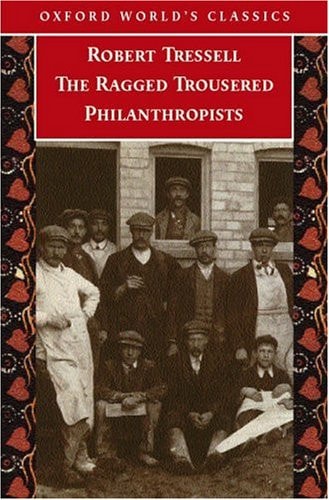
The Ragged Trousered Philanthropists
0
0
As an Amazon Associate and affiliate partner, Menrva Books earns from qualifying purchases. Learn more
Author Description
Tressell's novel is about survival on the underside of the Edwardian Twilight, about exploitative employment when the only safety nets are charity, workhouse, and grave. Following the fortunes of a group of painters and decorators and their families, and the attempts to rouse their political will by the Socialist visionary Frank Owen, the book is both a highly entertaining story and a passionate appeal for a fairer way of life. It asks questions that are still being asked today: why do your wages bear no relation to the value of your work? Why do fat cats get richer when you don't? Tressell's answers are "The Great Money Trick" and the "philanthropy" of an unenlightened workforce, who give away their rights and aspirations to a decent life so freely.Intellectually enlightening, deeply moving and gloriously funny (complete with exploding clergyman), The Ragged Trousered Philanthropists is a book that changes lives.
Menrva's Summary
THE PULSE
A group of struggling painters and decorators in Edwardian England grapple with the harsh realities of poverty and exploitation while one of their own attempts to ignite their political consciousness. Frank Owen, a socialist visionary, works alongside his peers in the building trade, observing the systemic injustices that keep them in a cycle of destitution. He faces constant opposition from his coworkers, who are conditioned to accept their low wages and precarious employment as inevitable. The narrative follows their daily labor and personal struggles, utilizing a realistic, observational framework to expose the economic mechanisms of their time. The story is constrained by the physical exhaustion of the workers and the looming threat of the workhouse.
INSIDE THE PAGES
- Detailed depiction of the Edwardian building trade
- Use of the 'Great Money Trick' as an economic allegory
- Satirical characterizations of local authority figures
- Focus on the psychological impact of wage labor
- Exploration of socialist theory within a working-class context
- Episodic structure documenting the decline of the workers
- Realistic dialogue reflecting regional dialects and class tensions
- Integration of political polemic with character-driven drama
THE COLLECTIVE ECHO
Readers and critics frequently highlight the book's enduring relevance regarding labor rights and economic inequality. Discussion often centers on the balance between the bleak reality of the workers' lives and the sharp, satirical humor employed by the author. Many observers note that the narrative effectively translates complex political theory into accessible, human terms through the experiences of the painters. The pacing is often described as deliberate, allowing for a thorough examination of the social conditions of the era. It remains a significant point of reference for those interested in the history of socialist thought and the representation of the working class in literature.
Page Count:
702
Publication Date:
2005-07-28
Publisher:
Oxford University Press
ISBN-10:
0192804537
ISBN-13:
9780192804532
Historical Fiction
England
Fiction political
Working class
Political fiction
Classic Literature
Social Realism
Community Tags
Other Editions(14)

Double9 Books Llp
2025
Default edition
Creative Media Partners, LLC
2022

Creative Media Partners, LLC
2018

CreateSpace Independent Publishing Platform
2016
CreateSpace Independent Publishing Platform
2015
Oxford University Press
2009

ReadHowYouWant.com, Limited
2007

Paperbackshop.CompanyUK Limited - Echo Library
2006
Oxford University Press
2005
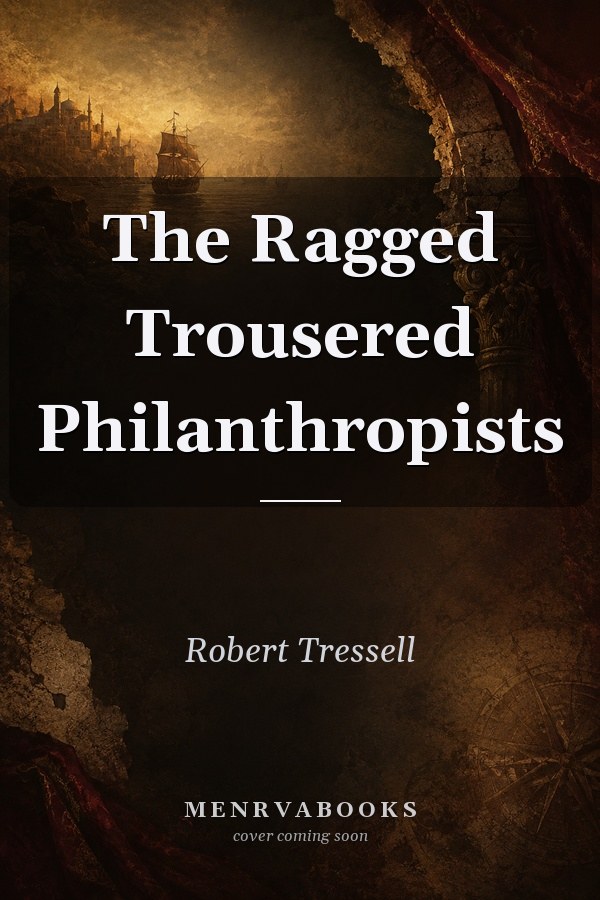
Oxford University Press, Incorporated
2005
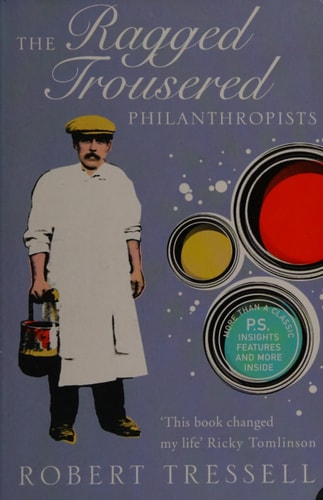
Harper Perennial
2005

Textbook Publishers
2003
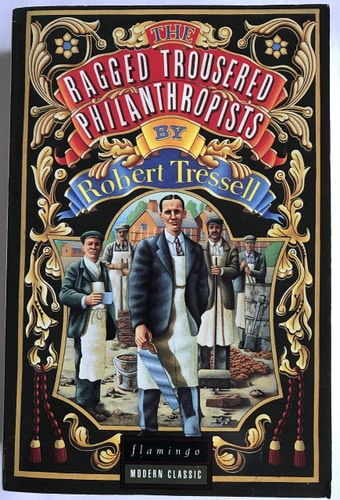
Flamingo
1993

Southgate Publishers
1989
Similar Books
Reader Comments
Share Your Thoughts
No comments yet. Be the first to share your thoughts!