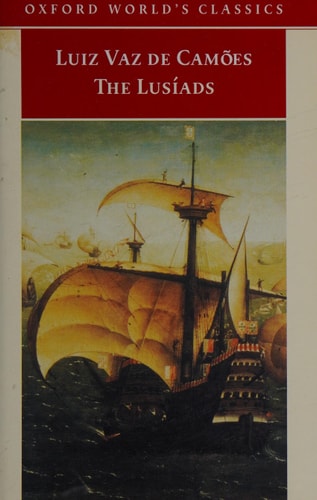
The Lusiads
0
0
As an Amazon Associate and affiliate partner, Menrva Books earns from qualifying purchases. Learn more
Author Description
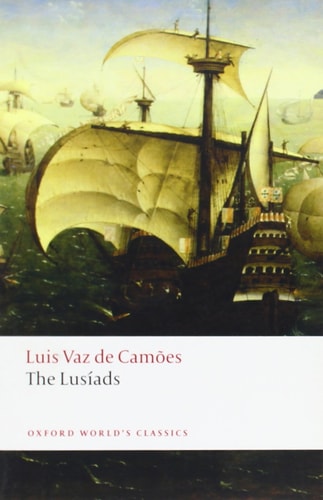
1998 is the quincentenary of Vasca da Gama's voyage via southern Africa to India, the voyage celebrated in this new translation of one of the greatest poems of the Renaissance. Portugal's supreme poet Camoes was the first major European artist to cross the equator. The freshness of that original encounter with Africa and India is the very essence of Camões's vision. The first translation of The Lusiads for almost half a century, this new edition is complemented by an illuminating introduction and extensive notes.
Menrva's Summary
THE PULSE
The poem chronicles the epic voyage of Vasco da Gama as he navigates the treacherous seas to India, facing both natural disasters and the interference of the Olympian gods. Camões centers the narrative on the Portuguese maritime expansion, framing the historical expedition through the lens of classical mythology. The protagonist, representing the collective spirit of the Portuguese people, must overcome divine opposition and physical perils to secure a trade route. The narrative utilizes an elevated, epic structure, blending historical record with supernatural intervention to emphasize the significance of the discovery. The poem operates as a nationalistic account, detailing the hardships of the crew and the strategic maneuvers required to reach the East.
INSIDE THE PAGES
- Use of classical mythological framework involving Jupiter, Venus, and Bacchus
- Integration of historical maritime exploration and geography
- Elevated, formal poetic structure and meter
- Focus on the themes of national identity and imperial ambition
- Vivid descriptions of oceanic storms and exotic landscapes
- Philosophical reflections on the nature of human discovery
- Incorporation of Portuguese history and legendary figures
- Symbolic representation of the clash between European and Eastern cultures
THE COLLECTIVE ECHO
Readers and critics frequently discuss the work as a foundational pillar of Western literature that bridges the gap between classical epic traditions and the Age of Discovery. Discussion often centers on the tension between the poem's rigid formal structure and the raw, sensory descriptions of the unknown world encountered by the explorers. Many highlight the effectiveness of Camões in elevating a historical event into a mythic struggle that defines a national consciousness. The balance between the divine intervention of the gods and the grounded, often brutal realities of life at sea remains a primary focus for academic analysis. Readers often note that the text requires patience due to its dense mythological allusions and archaic poetic style.
Page Count:
288
Publication Date:
2002-11-14
Publisher:
Oxford University Press
ISBN-10:
0192801511
ISBN-13:
9780192801517
Adventure
Exploration
Epic Poetry
Historical
Portuguese
Renaissance
Community Tags
Other Editions(3)

Similar Books