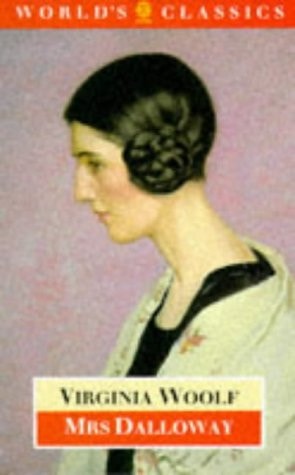
Mrs. Dalloway
0
0
As an Amazon Associate and affiliate partner, Menrva Books earns from qualifying purchases. Learn more
Author Description
Virginia Woolf’s novel chronicles a day in the life of Clarissa Dalloway, a politician’s wife in 1920s London, as she prepares to host a party that evening. The narrative follows Clarissa’s thoughts (and sometimes those of people she meets) as she goes about her errands, and events in the day remind her of her youth and friendships from the past. As the book progresses characters from the past emerge, igniting old feelings and making Clarissa question the life she has created for herself. Mrs. Dalloway became the inspiration for Michael Cunningham’s 1998 novel The Hours.
Menrva's Summary
THE PULSE
Clarissa Dalloway navigates the mundane preparations for an evening party while internal reflections on her past choices threaten to disrupt her carefully constructed social identity. The narrative operates through a fluid, non-linear stream of consciousness that shifts between Clarissa and various acquaintances in post-World War I London. As she moves through the city, the physical environment acts as a catalyst for memories of her youth at Bourton, forcing her to confront the divergence between her current status as a politician's wife and the aspirations of her younger self. The prose maintains a tight temporal focus, confining the primary action to a single day while expanding infinitely into the interior lives of its characters.
INSIDE THE PAGES
- Stream of consciousness narrative technique
- Non-linear temporal structure
- Multiple shifting perspectives
- Focus on interiority and subjective experience
- Exploration of post-war societal disillusionment
- Interconnected character vignettes
- Symbolism of time and urban space
- Examination of social class and gender roles
THE COLLECTIVE ECHO
Readers and critics frequently highlight the technical precision of the stream of consciousness style, noting how it effectively captures the fragmented nature of human thought. Discussion often centers on the contrast between the rigid social expectations of 1920s London and the internal volatility of the characters. Many observers point to the parallel narrative of Septimus Smith as a crucial element that deepens the thematic exploration of mental health and trauma. The pacing is often described as meditative, prioritizing psychological depth over traditional plot progression, which allows for a nuanced examination of regret and identity. This work remains a primary reference point for discussions regarding the evolution of the modern novel.
Page Count:
262
Publication Date:
1992-01-01
Publisher:
Oxford University Press
ISBN-10:
0192818155
ISBN-13:
9780192818157
Literary Fiction
Modernist
classic
British literature
Psychological
Community Tags
Other Editions(25)

Les Prairies Numeriques
2026
Default edition
Independently published
2025

Independently published
2024
Independently published
2023

Independently published
2023

Independently Published
2022
Independently Published
2022
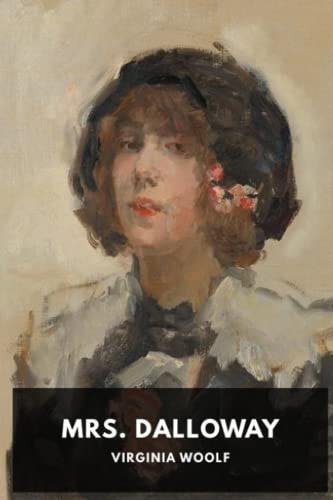
Independently published
2022
Independently Published
2022

Independently Published
2022
Independently Published
2022

Independently Published
2021

Independently published
2021

Independently published
2021

Independently Published
2019

Melville House Pub
2012

AudioGO
2011
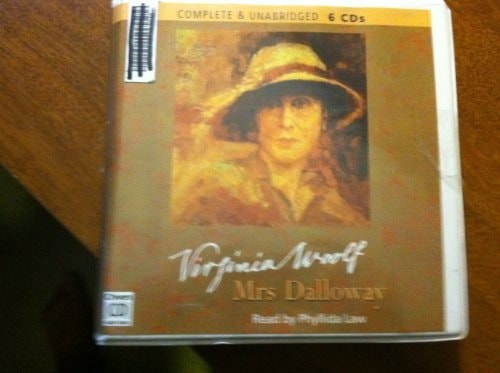
Chivers Sound Library
2003

Books on Tape
2001
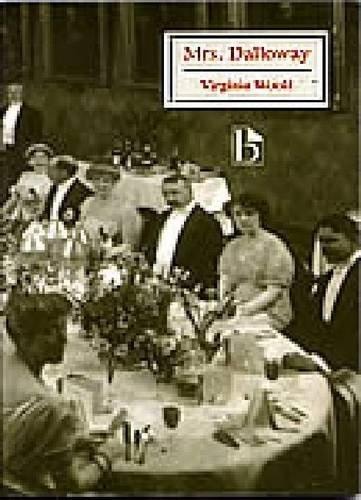
Broadview Press
2000

Oxford University Press
1998
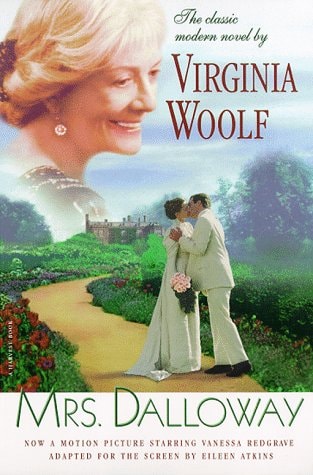
Harcourt
1997
Oxford University Press
1992
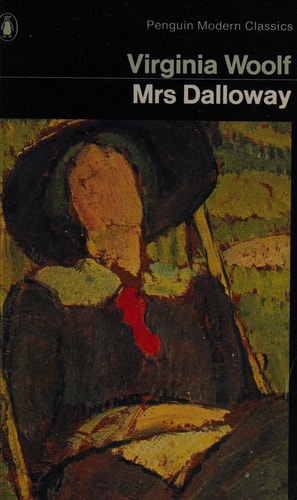
Penguin Books
1971
Harcourt
1964
Similar Books

Reader Comments
Share Your Thoughts
No comments yet. Be the first to share your thoughts!