Cranford
0
0
As an Amazon Associate and affiliate partner, Menrva Books earns from qualifying purchases. Learn more
Author Description
The fictional town of Cranford is closely modeled on Knutsford in Cheshire, which Mrs Gaskell knew well. The book has little in the way of plot and is more a series of episodes in the lives of Mary Smith and her friends, Miss Matty and Miss Deborah, two spinster sisters. The "major" event in the story is the return to Cranford of their long-lost brother, Peter, which in itself is only a minor portion of the work, leaving the rest of the novel at a low-key tone. Gaskell's witty and poignant comedy of country-town life, a gently comic picture of life in an English country town in the mid-nineteenth century, Cranford describes the small adventures of Miss Matty and Miss Deborah, two middle-aged spinster sisters striving to live with dignity in reduced circumstances. Rich with humor and filled with vividly memorable characters, including the dignified Lady Glenmire and the duplicitous showman Signor Brunoni, Cranford is a portrait of kindness, compassion, and hope.
Menrva's Summary
THE PULSE
The narrative centers on the quiet, interconnected lives of the inhabitants of Cranford as they navigate the social expectations and economic shifts of a small nineteenth-century English town. The protagonist, Mary Smith, acts as an observer to the daily routines and minor crises of the local spinster community, specifically the sisters Miss Matty and Miss Deborah. These women strive to maintain their social standing and personal dignity despite limited financial resources. The narrative framework is episodic, prioritizing character interaction and social observation over a traditional, high-stakes plot structure.
INSIDE THE PAGES
- Episodic narrative structure focusing on daily life
- Detailed social commentary on Victorian class dynamics
- Focus on the lives of middle-aged and elderly women
- Use of gentle wit and observational humor
- Realistic depiction of mid-nineteenth-century rural England
- Character-driven vignettes rather than linear plot progression
- Exploration of themes regarding poverty and social status
- First-person perspective through the eyes of an observant visitor
THE COLLECTIVE ECHO
Readers and critics frequently highlight the work for its gentle atmosphere and the precision of its social observation. Discussion often centers on the effectiveness of Gaskell's character studies, which prioritize the internal lives of the townspeople over dramatic external conflict. Many appreciate the balance between the humor found in the characters' eccentricities and the underlying poignancy of their struggle for dignity. The pacing is noted for being deliberate and low-key, which allows for a deep immersion into the specific cultural landscape of the era. Overall, the text is regarded as a significant example of Victorian domestic realism that remains accessible due to its focus on human kindness and community dynamics.
Page Count:
220
Publication Date:
1977-04-14
Publisher:
Oxford University Press
ISBN-10:
0192812076
ISBN-13:
9780192812070
Social Satire
classic
Victorian
Domestic fiction
Historical
Community Tags
Other Editions(13)

Independently published
2024
Default edition
Independently published
2023

Independently published
2023

Independently published
2023

Independently published
2023
Independently published
2023
Oxford University Press
2012
Oup Oxford
2011
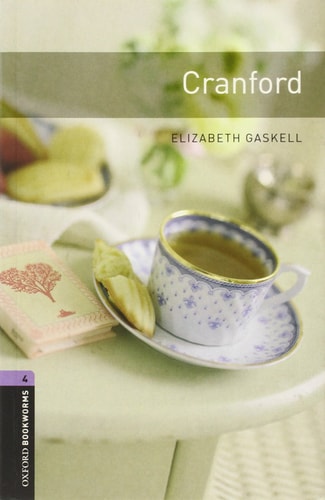
Oxford University Press
2008
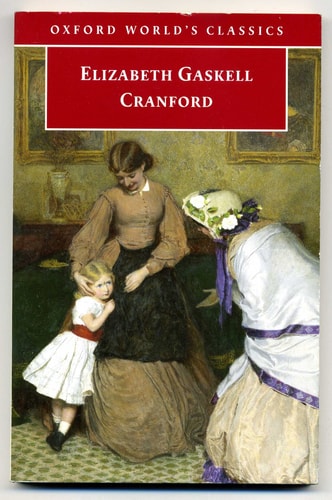
Oxford University Press
1998
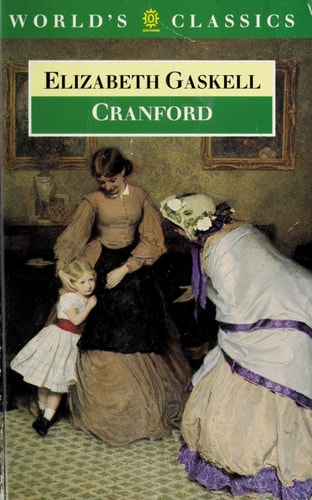
Oxford University Press
1982
Oxford University Press
1977

Dutton Adult
1972
Similar Books


Reader Comments
Share Your Thoughts
No comments yet. Be the first to share your thoughts!