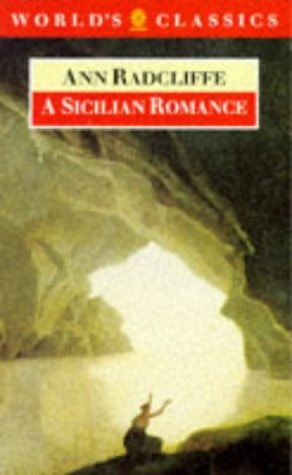
A Sicilian Romance
0
0
As an Amazon Associate and affiliate partner, Menrva Books earns from qualifying purchases. Learn more
Author Description
In A Sicilian Romance (1790) Ann Radcliffe began to forge the unique mixture of the psychology of terror and poetic description that would make her the great exemplar of the Gothic novel, and the idol of the Romantics. This early novel explores the cavernous landscapes and labyrinthine passages of Sicily's castles and convents to reveal the shameful secrets of its all-powerful aristocracy.
Menrva's Summary
THE PULSE
The discovery of a mysterious, weeping figure within the ruins of a Sicilian castle initiates a series of events that expose the dark history of the Mazzini family. Julia, the daughter of the Marquis de Mazzini, finds herself trapped by her father's tyrannical ambitions and the suffocating constraints of her aristocratic environment. As she attempts to navigate the labyrinthine passages of her ancestral home and the surrounding convents, she encounters physical barriers and psychological threats that challenge her autonomy. The narrative employs a third-person perspective to document the unfolding secrets of the nobility while maintaining a focus on the atmospheric tension inherent in the setting.
INSIDE THE PAGES
- Use of cavernous, decaying architectural settings to mirror internal states
- Emphasis on the psychology of terror rather than explicit violence
- Incorporation of poetic descriptions of the Sicilian landscape
- Exploration of the power dynamics within the aristocracy
- Frequent use of hidden passages and secret chambers
- Focus on the vulnerability of the female protagonist in a patriarchal structure
- Integration of suspenseful, cliffhanger-style chapter endings
- Examination of themes related to confinement and liberation
THE COLLECTIVE ECHO
Readers and critics frequently identify this work as a foundational text in the development of the Gothic genre. Discussion often centers on Radcliffe's ability to balance atmospheric dread with the internal emotional landscape of her characters. Many observers highlight the effectiveness of the setting as a primary driver of the narrative tension. The prose is noted for its descriptive quality, which serves to heighten the sense of isolation experienced by the protagonist. Scholars often point to this novel as a clear precursor to the stylistic choices that defined the Romantic movement.
Page Count:
256
Publication Date:
1993-06-17
Publisher:
Oxford University Press
ISBN-10:
0192822128
ISBN-13:
9780192822123
Romance
Mystery
Fiction gothic
Gothic
Italy
Historical
classic
Sicily Italy
Man-woman relationships
Community Tags
Other Editions(70)

Nrm Books
2025
Default edition
Independently published
2023
IndoEuropeanPublishing.com
2023
Indoeuropeanpublishing.com
2023
Blackstone Publishing
2022

Mint Editions
2022

Mint Editions
2021

West Margin Press
2021
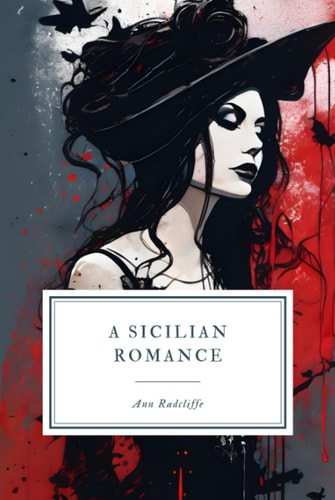
Independently Published
2021
Independently Published
2021

Independently published
2021

Independently published
2020

Notion Press
2020
Independently Published
2019
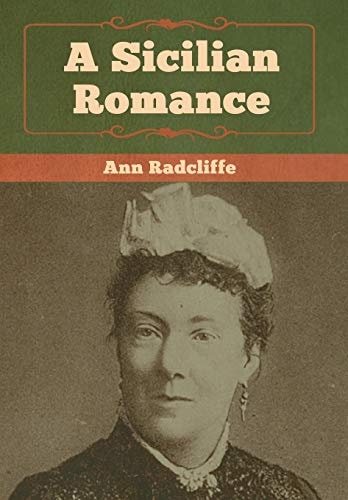
Bibliotech Press
2019

CreateSpace Independent Publishing Platform
2018

CreateSpace Independent Publishing Platform
2018
CreateSpace Independent Publishing Platform
2018

CreateSpace Independent Publishing Platform
2018

CreateSpace Independent Publishing Platform
2018
CreateSpace Independent Publishing Platform
2018

CreateSpace Independent Publishing Platform
2018

BoD – Books on Demand
2018
CreateSpace Independent Publishing Platform
2018

CreateSpace Independent Publishing Platform
2018

CreateSpace Independent Publishing Platform
2017

CreateSpace Independent Publishing Platform
2017

CreateSpace Independent Publishing Platform
2017

CreateSpace Independent Publishing Platform
2017

CreateSpace Independent Publishing Platform
2017
CreateSpace Independent Publishing Platform
2017
CreateSpace Independent Publishing Platform
2017

CreateSpace Independent Publishing Platform
2017

CreateSpace Independent Publishing Platform
2017

CreateSpace Independent Publishing Platform
2017

CreateSpace Independent Publishing Platform
2017
CreateSpace Independent Publishing Platform
2017

CreateSpace Independent Publishing Platform
2016
CreateSpace Independent Publishing Platform
2016
CreateSpace Independent Publishing Platform
2015

CreateSpace Independent Publishing Platform
2015
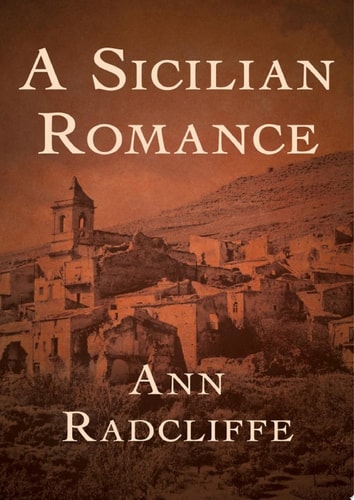
Open Road Integrated Media, Inc.
2015
CreateSpace Independent Publishing Platform
2014
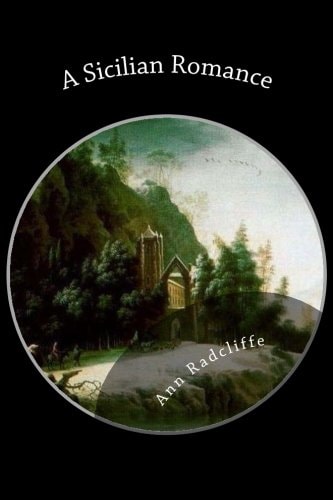
CreateSpace Independent Publishing Platform
2013

CreateSpace Independent Publishing Platform
2012

Digireads.com Publishing
2012
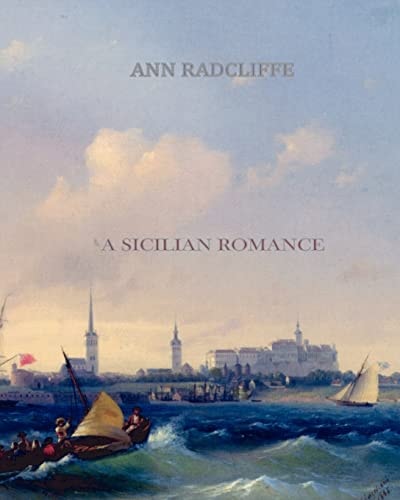
CreateSpace Independent Publishing Platform
2011

Kessinger Publishing, LLC
2010
IndoEuropeanPublishing.com
2010

Penguin UK
2010
Penguin Adult
2010

Kessinger Publishing, LLC
2010
ReadHowYouWant.com
2009

ReadHowYouWant.com, Limited
2009
IndyPublish.com
2008
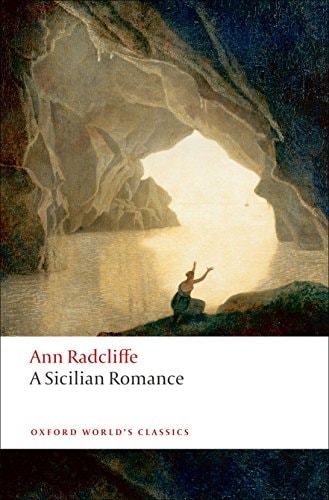
OUP Oxford
2008
BiblioLife
2008
OUP Oxford
2008
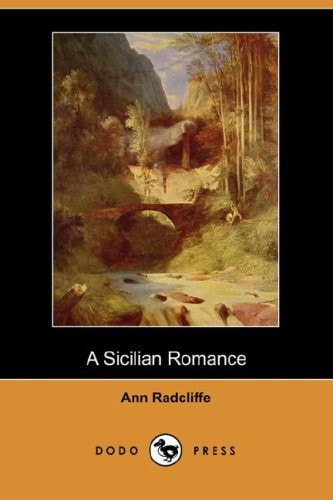
Dodo Press
2007
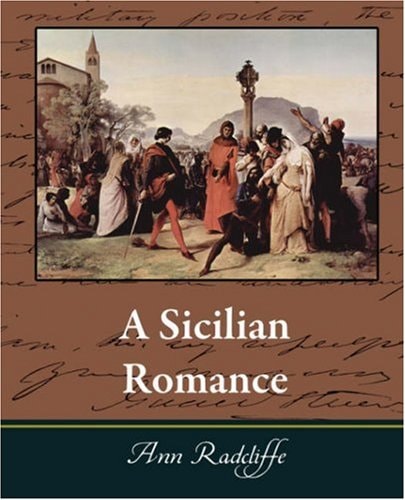
Standard Publications, Incorporated
2007

Aegypan
2006
BiblioBazaar
2006

Kessinger Publishing, LLC
2004

Kessinger Publishing
2004

IndyPublish.com
2003

ReadHowYouWant.com
1999

Oxford University Press
1998
Oxford University Press
1993
Norwood Editions
1985
W. Lewis
1821
Similar Books

Reader Comments
Share Your Thoughts
No comments yet. Be the first to share your thoughts!