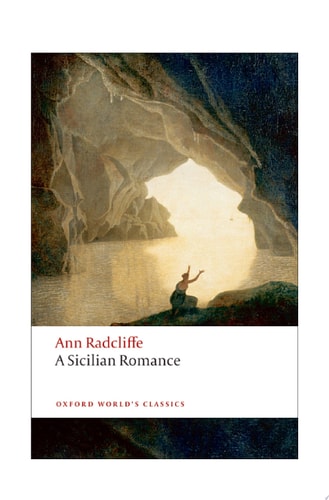
A Sicilian Romance
0
0
As an Amazon Associate and affiliate partner, Menrva Books earns from qualifying purchases. Learn more
Author Description
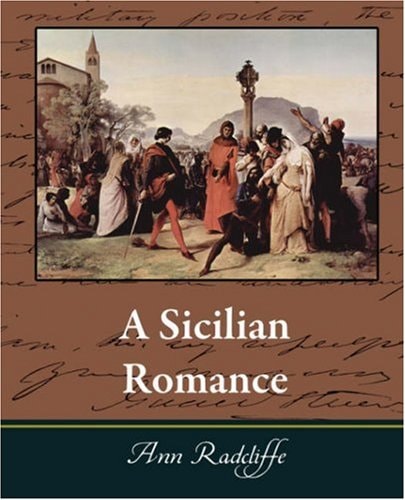
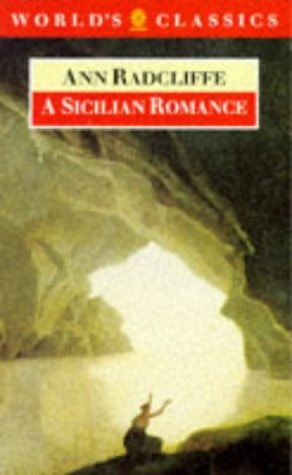
In A Sicilian Romance (1790) Radcliffe began to forge the unique mixture of the psychology of terror and poetic description that would make her the great exemplar of the Gothic nove, and the idol of the Romantics. This early novel explores the cavernous landscapes and labyrinthine passages of Sicily's castles and covents to reveal the shameful secrets of its all-powerful aristocracy. Julia and Emilia Mazzini live secluded in an ancient mansion near the Straits of Messina. After their father's return to the island a neglected part of the house is haunted by a series of mysterious sights and sounds. The origin of these hauntings is only discovered after a series of breathless pursuits through dreamlike pastoral landscapes. When revelation finally comes, it forces the heroines to challenge the united forces of religious and patriarchal authority. ABOUT THE SERIES: For over 100 years Oxford World's Classics has made available the widest range of literature from around the globe. Each affordable volume reflects Oxford's commitment to scholarship, providing the most accurate text plus a wealth of other valuable features, including expert introductions by leading authorities, helpful notes to clarify the text, up-to-date bibliographies for further study, and much more.
Menrva's Summary
THE PULSE
The discovery of unexplained phenomena within a secluded Sicilian mansion forces two sisters to confront the dark secrets of their aristocratic lineage. Julia and Emilia Mazzini reside in an isolated estate, their lives governed by the rigid expectations of their father and the social structures of the era. When mysterious occurrences begin to plague their home, the sisters are thrust into a series of perilous encounters across the Sicilian landscape. The narrative employs a third-person perspective to track their attempts to navigate both physical threats and the oppressive weight of patriarchal control.
INSIDE THE PAGES
- Atmospheric descriptions of cavernous castles and convents
- Exploration of psychological terror and suspense
- Focus on the conflict between individual agency and patriarchal authority
- Use of dreamlike, pastoral landscape settings
- Incorporation of mysterious, supernatural-seeming events
- Emphasis on the internal emotional states of the protagonists
- Labyrinthine plot structure involving pursuit and discovery
- Critique of religious and aristocratic power dynamics
THE COLLECTIVE ECHO
Readers and critics frequently identify this work as a foundational text in the development of the Gothic genre. Discussion often centers on Radcliffe's ability to balance suspenseful plot mechanics with evocative, poetic descriptions of the natural world. Many observers highlight the novel's role in establishing tropes that would later influence the Romantic movement. The pacing is often noted for its deliberate build-up of tension, which prioritizes atmosphere and character vulnerability over rapid action sequences.
Page Count:
256
Publication Date:
2008-01-01
Publisher:
OUP Oxford
ISBN-10:
019266929X
ISBN-13:
9780192669292
Romance
Mystery
Italy
Gothic
Man-woman relationships
classic
English & College Success
Historical
Fiction gothic
English
Sicily Italy
Community Tags
Other Editions(70)

Nrm Books
2025
Default edition
Independently published
2023
IndoEuropeanPublishing.com
2023
Indoeuropeanpublishing.com
2023
Blackstone Publishing
2022

Mint Editions
2022

Mint Editions
2021

West Margin Press
2021
Independently Published
2021
Independently Published
2021

Independently published
2021

Independently published
2020

Notion Press
2020
Independently Published
2019
Bibliotech Press
2019

CreateSpace Independent Publishing Platform
2018

CreateSpace Independent Publishing Platform
2018
CreateSpace Independent Publishing Platform
2018
CreateSpace Independent Publishing Platform
2018

CreateSpace Independent Publishing Platform
2018
CreateSpace Independent Publishing Platform
2018

CreateSpace Independent Publishing Platform
2018

BoD – Books on Demand
2018
CreateSpace Independent Publishing Platform
2018

CreateSpace Independent Publishing Platform
2018

CreateSpace Independent Publishing Platform
2017

CreateSpace Independent Publishing Platform
2017

CreateSpace Independent Publishing Platform
2017

CreateSpace Independent Publishing Platform
2017

CreateSpace Independent Publishing Platform
2017
CreateSpace Independent Publishing Platform
2017
CreateSpace Independent Publishing Platform
2017

CreateSpace Independent Publishing Platform
2017

CreateSpace Independent Publishing Platform
2017

CreateSpace Independent Publishing Platform
2017

CreateSpace Independent Publishing Platform
2017
CreateSpace Independent Publishing Platform
2017

CreateSpace Independent Publishing Platform
2016
CreateSpace Independent Publishing Platform
2016
CreateSpace Independent Publishing Platform
2015

CreateSpace Independent Publishing Platform
2015
Open Road Integrated Media, Inc.
2015
CreateSpace Independent Publishing Platform
2014
CreateSpace Independent Publishing Platform
2013

CreateSpace Independent Publishing Platform
2012

Digireads.com Publishing
2012
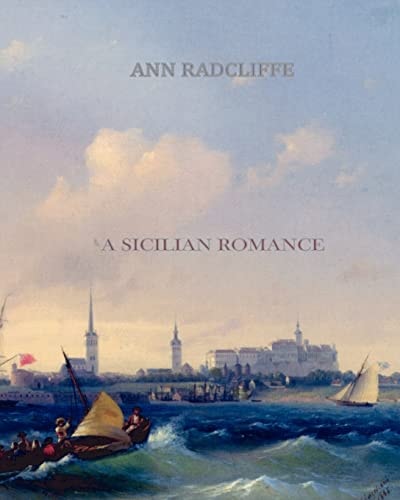
CreateSpace Independent Publishing Platform
2011

Kessinger Publishing, LLC
2010
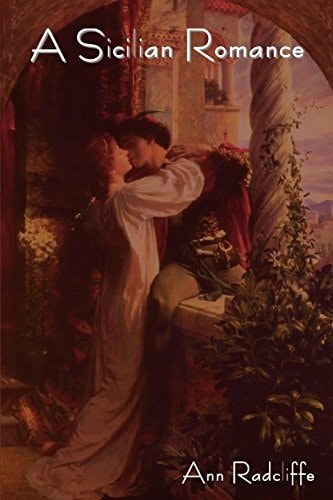
IndoEuropeanPublishing.com
2010

Penguin UK
2010
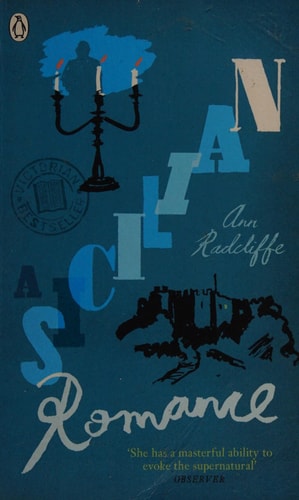
Penguin Adult
2010

Kessinger Publishing, LLC
2010
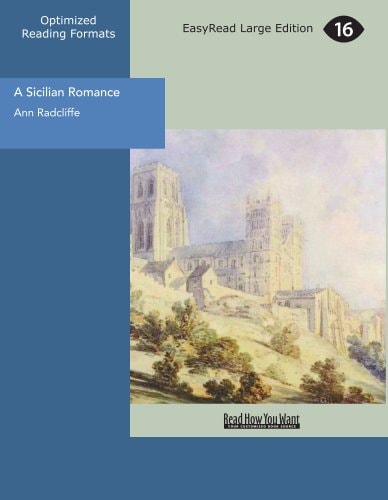
ReadHowYouWant.com
2009

ReadHowYouWant.com, Limited
2009
IndyPublish.com
2008
OUP Oxford
2008
BiblioLife
2008
OUP Oxford
2008
Dodo Press
2007
Standard Publications, Incorporated
2007

Aegypan
2006
BiblioBazaar
2006

Kessinger Publishing, LLC
2004

Kessinger Publishing
2004

IndyPublish.com
2003

ReadHowYouWant.com
1999

Oxford University Press
1998
Oxford University Press
1993
Norwood Editions
1985
W. Lewis
1821
Similar Books


Reader Comments
Share Your Thoughts
No comments yet. Be the first to share your thoughts!