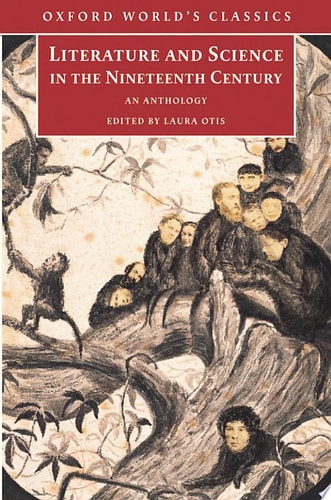
Literature and Science in the Nineteenth Century: An Anthology
0
0
As an Amazon Associate and affiliate partner, Menrva Books earns from qualifying purchases. Learn more
Author Description
Although we are used to thinking of science and the humanities as separate disciplines, in the nineteenth century this division was not recognized. As the scientist John Tyndall pointed out, not only were science and literature both striving to better "man's estate", they shared a common language and cultural heritage. The quest for "origins", the nature of the relationship between society and the individual, and what it meant to be human were subjects that occupied both the writing of scientists and novelists.This anthology brings together a generous selection of scientific and literary material to explore the exchanges and interactions between them. Fed by a common imagination, scientists and creative writers alike used stories, imagery, style, and structure to convey their meaning, and to produce works of enduring power. It includes writing by Charles Babbage, Charles Darwin, Sir Humphry Davy, Charles Dickens, George Eliot, Michael Faraday, Thomas Malthus, Louis Pasteur, Edgar Allan Poe, Mary Shelley, Mark Twain and many others. Also included are introductions and notes to guide the reader.
Menrva's Summary
THE THESIS
This anthology investigates the historical intersection between scientific inquiry and literary expression during the nineteenth century, challenging the modern perception of these fields as distinct disciplines. Laura Otis, an expert in the relationship between literature and science, curates a collection of primary texts to demonstrate how both scientists and novelists shared a common cultural vocabulary. By examining the shared pursuit of understanding human origins and societal structures, the book argues that nineteenth-century thinkers utilized similar narrative strategies and imagery to articulate their findings and theories.
THE SCOPE MAP
What You Will Find
- A curated selection of primary source writings from figures such as Charles Darwin, George Eliot, Michael Faraday, and Mary Shelley.
- Editorial introductions and explanatory notes providing historical context for each excerpt.
- Thematic exploration of shared intellectual concerns including evolution, social dynamics, and the definition of humanity.
Scope Limits
- The collection focuses primarily on British and American perspectives, excluding broader global scientific developments.
- The anthology does not provide an exhaustive history of nineteenth-century science, but rather highlights specific points of intersection with literature.
THE AUTHORITY PERSPECTIVE
Scholars and students frequently cite this anthology as a foundational resource for understanding the interdisciplinary nature of nineteenth-century intellectual life. Readers often note the academic density of the prose and appreciate the editorial rigor applied to the selection of texts.
Page Count:
624
Publication Date:
2002-09-26
Publisher:
Oxford University Press
ISBN-10:
0192839799
ISBN-13:
9780192839794
Anthology
Literary Criticism
Academic
Science History
Nineteenth century
Community Tags
Similar Books