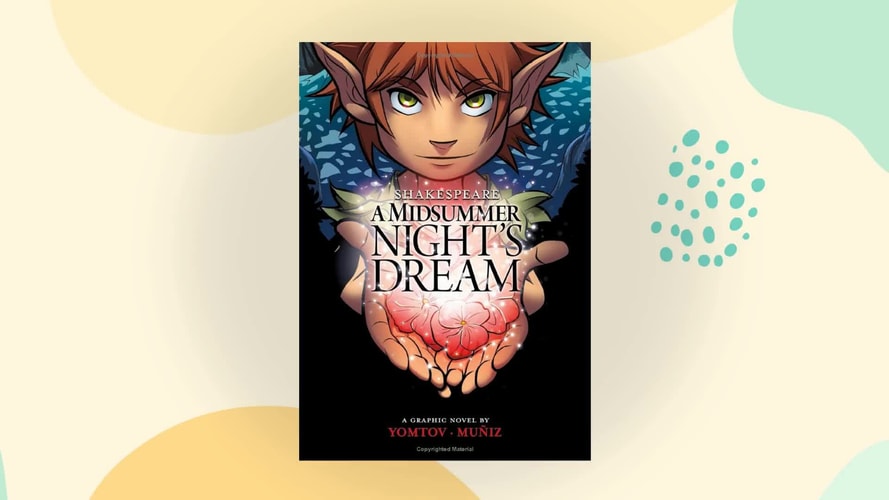
A Midsummer Night's Dream
0
0
As an Amazon Associate and affiliate partner, Menrva Books earns from qualifying purchases. Learn more
Author Description
A Midsummer Night's Dream is perhaps Shakespeare's most popular play, particularly as a first introduction to Shakespeare for children--filled as it is with a marvelous mixture of aristocrats, workers, and fairies. For this edition, Peter Holland's introduction looks at dreams and dreamers, tracing the materials out of which Shakespeare constructs his world of night and shadows.
Menrva's Summary
THE PULSE
The arrival of four young lovers in an enchanted forest, combined with the meddling of fairy royalty, triggers a chaotic series of romantic misalignments and magical transformations. Seeking to escape the rigid social laws of Athens, the protagonists flee into a woodland realm governed by Oberon and Titania. Their objectives are thwarted by the application of a love-inducing nectar, which causes them to fall for the wrong partners. The narrative framework utilizes a multi-layered structure, shifting between the aristocratic court, the earnest but inept laborers, and the ethereal fairy kingdom. The play operates under the logical constraints of Elizabethan stagecraft, where the forest serves as a liminal space for psychological and supernatural disruption.
INSIDE THE PAGES
- Use of the play-within-a-play device featuring the mechanicals
- Incorporation of supernatural elements and fairy folklore
- Exploration of the fluidity of identity and romantic attraction
- Contrast between the structured court of Athens and the wild forest
- Employment of iambic pentameter and prose for character distinction
- Themes of illusion, perception, and the irrational nature of love
- Satirical commentary on amateur theatrical performance
- Resolution through the restoration of order and marriage
THE COLLECTIVE ECHO
Discussion often centers on the play's balance between lighthearted comedy and the darker, more chaotic undercurrents of the forest setting. Readers frequently highlight the contrast between the rigid, patriarchal structure of the Athenian court and the unpredictable, transformative power of the fairy realm. Critics often examine the role of Puck as a catalyst for disorder and the way the play explores the subjective nature of reality. The work is widely regarded for its linguistic playfulness and its enduring influence on the romantic comedy genre. Many readers appreciate how the narrative manages to weave together disparate social classes into a cohesive, albeit whimsical, resolution.
Page Count:
288
Publication Date:
1998-06-11
Publisher:
Oxford University Press
ISBN-10:
0192834207
ISBN-13:
9780192834201
Romance
Drama
Fantasy
Dramatic works
Comedy
Plays
Classical
Community Tags
Other Editions(17)
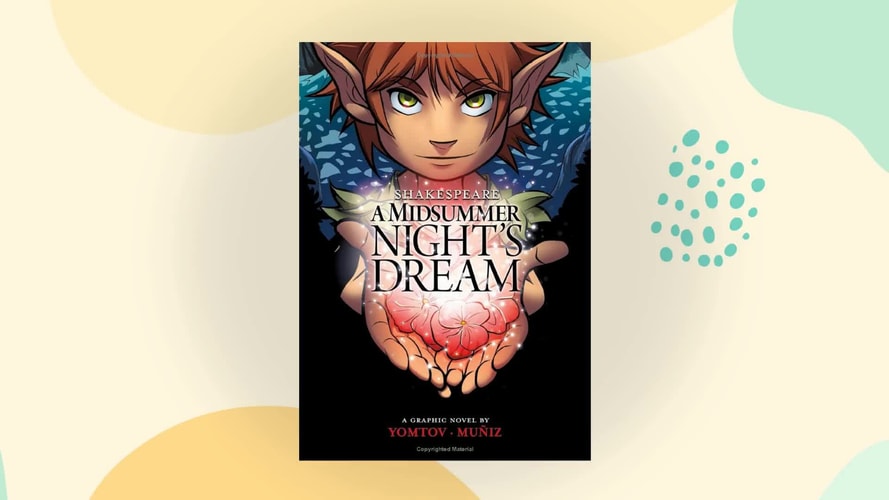
Oxford University Press
2017
Default edition
Oxford University Press
2016
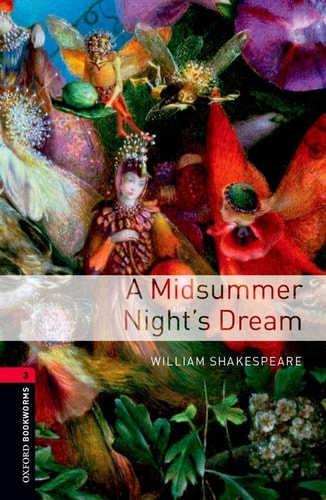
OXFORD UP ELT
2014
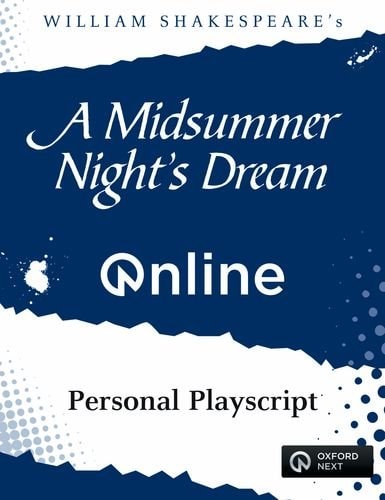
Oxford University Press
2013
Oxford University Press
2013
Oxford University Press
2012
OUP Oxford
2012
Oxford University Press
2001

Cambridge University Press
1999
Oxford University Press
1998
Oxford University Press
1996

Oxford University Press
1995
Clarendon Press
1995
Oxford School Shakespeare
1994
Oxford University Press
1980
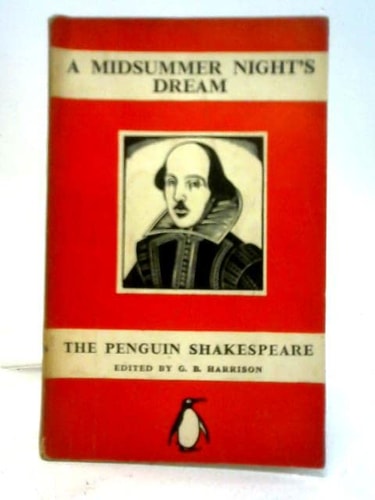
Ginn and Company
1939

Oxford University Press
1900
Similar Books



Reader Comments
Share Your Thoughts
No comments yet. Be the first to share your thoughts!