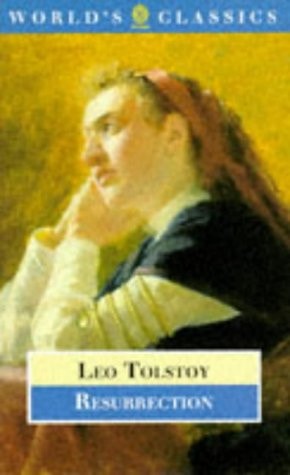
Resurrection
0
0
As an Amazon Associate and affiliate partner, Menrva Books earns from qualifying purchases. Learn more
Author Description
Resurrection, the last of Tolstoy's major novels, tells the story of a nobleman's attempt to redeem himself for the suffering his youthful philandering caused a peasant girl. Tolstoy's vision of redemption achieved through loving forgiveness, and his condemnation of violence dominate the novel. An intimate, psychological tale of guilt, anger, and forgiveness, Resurrection is at the same time a panoramic description of social life in Russia at the end of the nineteenth century, reflecting Tolstoy's outrage at the social injustices of the world in which he lived.
Menrva's Summary
THE PULSE
A nobleman’s chance encounter with a woman he once wronged forces him to confront his past and seek moral absolution. Prince Dmitri Nekhlyudov serves as a juror in a trial where he recognizes the defendant, Katyusha Maslova, as the woman he seduced and abandoned years prior. Driven by a sudden, overwhelming sense of guilt, he abandons his aristocratic lifestyle to follow her into exile, attempting to secure her release and rectify his moral failures. The narrative operates as a third-person psychological study, tracking the internal transformation of the protagonist against the rigid, unforgiving structures of the Russian legal and penal systems.
INSIDE THE PAGES
- Examination of the Russian judicial and prison systems
- Exploration of moral and spiritual awakening
- Critique of institutionalized religion and state authority
- Detailed character studies of the Russian peasantry and aristocracy
- Non-linear reflections on past transgressions
- Focus on the concept of non-violent resistance
- Realistic depiction of late nineteenth-century social stratification
- Psychological analysis of guilt and personal responsibility
THE COLLECTIVE ECHO
Readers and critics frequently highlight the novel as a potent synthesis of personal moral struggle and broader social indictment. Discussion often centers on the stark contrast between the protagonist's internal evolution and the static, corrupt nature of the society he inhabits. Many observers note that the pacing reflects the slow, grinding nature of the legal processes depicted, which serves to emphasize the author's frustration with bureaucratic indifference. The work is widely recognized for its uncompromising stance on social justice and its detailed, often unflinching, portrayal of human suffering. Readers often find the philosophical arguments regarding forgiveness and violence to be as central to the narrative as the plot itself.
Page Count:
528
Publication Date:
1994-04-07
Publisher:
Oxford University Press
ISBN-10:
0192831119
ISBN-13:
9780192831118
Historical Fiction
Classic Literature
Russian
Philosophical
Social Realism
Community Tags
Other Editions(39)

Atlas Vista Publisher
2023
Default edition
Independently published
2023

Zinc Read
2023
Zinc Read
2023

Creative Media Partners, LLC
2022

True Sign Publishing House
2021

Independently Published
2021

Independently published
2020

Prince Classics
2019

CreateSpace Independent Publishing Platform
2018

CreateSpace Independent Publishing Platform
2018
CreateSpace Independent Publishing Platform
2018
Creative Media Partners, LLC
2018

CreateSpace Independent Publishing Platform
2017

CreateSpace Independent Publishing Platform
2017
Independently Published
2017

CreateSpace Independent Publishing Platform
2017

CreateSpace Independent Publishing Platform
2017

CreateSpace Independent Publishing Platform
2017
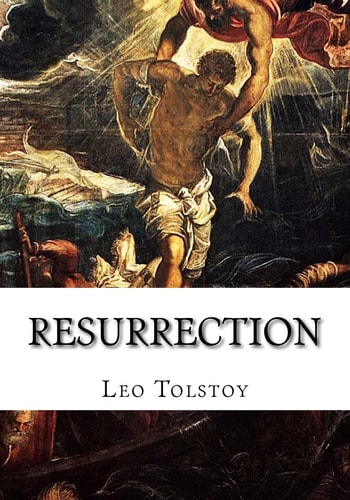
CreateSpace Independent Publishing Platform
2016

CreateSpace Independent Publishing Platform
2016

CreateSpace Independent Publishing Platform
2016
CreateSpace Independent Publishing Platform
2015
Murine Publications LLC
2015

Creative Media Partners, LLC
2015

Bibliolife DBA of Bibilio Bazaar II LLC
2015

Creative Media Partners, LLC
2015

Creative Media Partners, LLC
2015

Fb&c Limited
2015
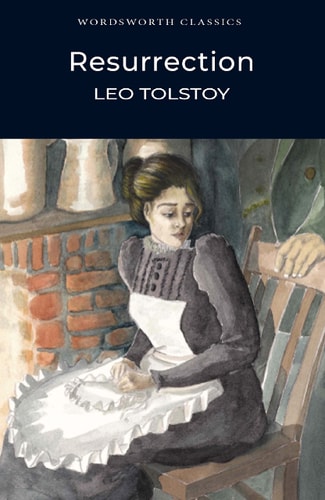
Wordsworth Editions, Limited
2014
Kessinger Publishing, LLC
2010
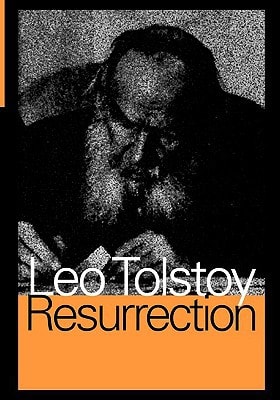
Transaction Publishers
2009
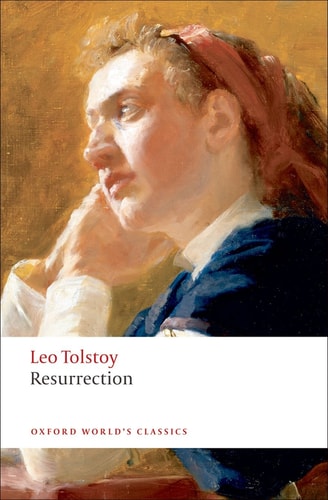
Oxford University Press
2009

CreateSpace Independent Publishing Platform
2009
BiblioBazaar
2007
Kessinger Publishing, LLC
2005
Oxford University Press
1994
Penguin Books Limited
1966

Oxford University Press
1916
Similar Books




Reader Comments
Share Your Thoughts
No comments yet. Be the first to share your thoughts!