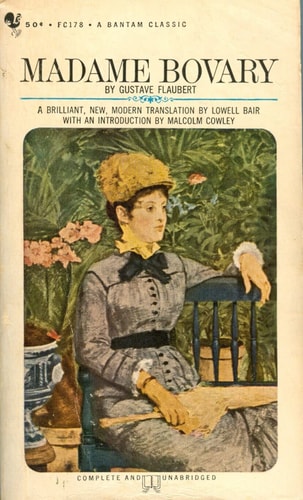
Madame Bovary
0
0
As an Amazon Associate and affiliate partner, Menrva Books earns from qualifying purchases. Learn more
Author Description
One of the acknowledged masterpieces of 19th century realism, Madame Bovary is revered by writers and readers around the world, a mandatory stop on any pilgrimage through modern literature. Flaubert's legendary style, his intense care over the selection of words and the shaping of sentences, his unmatched ability to convey a mental world through the careful selection of telling details, shine on every page of this marvelous work. Now the award-winning translator Margaret Mauldon has produced a modern translation of this classic novel, one that perfectly captures the tone that makes Flaubert's style so distinct and admired.Madame Bovary scandalized its readers when it was first published in 1857. And the story itself remains as fresh today as when it was first written, a work that remains unsurpassed in its unveiling of character and society. It tells the tragic story of the romantic but empty-headed Emma Rouault. When Emma marries Charles Bovary, she imagines she will pass into the life of luxury and passion that she reads about in sentimental novels and women's magazines. But Charles is an ordinary country doctor, and provincial life is very different from the romantic excitement for which she yearns. In her quest to realize her dreams she takes a lover, Rodolphe, and begins a devastating spiral into deceit and despair. And Flaubert captures every step of this catastrophe with sharp-eyed detail and a wonderfully subtle understanding of human emotions.Malcolm Bowie, a leading authority on French literature, explores Flaubert's genius in his masterly introduction to this must-have book for all lovers of great literature.
Menrva's Summary
THE PULSE
Emma Bovary attempts to escape the monotony of her provincial marriage through a series of reckless romantic affairs and financial extravagance. Driven by a desire for the luxury and passion she encounters in sentimental literature, Emma finds herself trapped in a marriage to Charles, a dull country doctor. She struggles against the rigid social constraints of 19th-century French provincial life, which offers no outlet for her romanticized expectations. The narrative follows her descent into debt and moral compromise as she seeks to construct an identity that reality cannot sustain. Flaubert employs a detached, third-person perspective to observe the widening gap between Emma's internal fantasies and her external circumstances.
INSIDE THE PAGES
- Precise, clinical prose style focused on objective observation
- Satirical portrayal of the French bourgeoisie
- Detailed exploration of the psychological impact of romantic literature
- Use of free indirect discourse to blend character thought with narrator voice
- Careful selection of sensory details to signify character status
- Non-linear progression of Emma's internal disillusionment
- Focus on the mundane aspects of provincial life as a catalyst for conflict
- Systematic deconstruction of the romantic ideal
THE COLLECTIVE ECHO
Discussion often centers on Flaubert's commitment to realism and his refusal to judge his characters directly. Readers frequently highlight the contrast between Emma's vivid internal life and the drab, suffocating environment of Yonville. Critics often examine the technical precision of the prose, noting how the author uses specific objects and settings to mirror the protagonist's psychological state. The work is widely recognized for its influence on the development of the modern novel and its enduring critique of societal expectations. Many readers find the pacing deliberate, reflecting the stagnation of the environment Emma inhabits.
Page Count:
358
Publication Date:
2005-06-02
Publisher:
Oxford University Press
ISBN-10:
0192840398
ISBN-13:
9780192840394
Married People
Tragedy
Realism
France fiction
Social Commentary
classic
French literature
Community Tags
Other Editions(90)

Pan Macmillan
2026
Default edition
Lushena Books
2025

Bibliomanager S.L.
2025
Panamericana Editorial
2024

Büchner-Verlag
2023

MJP Publishers
2023
Double 9 Books
2023

Independently Published
2022

Creative Media Partners, LLC
2022

Independently Published
2022

Independently Published
2021

Independently Published
2021

Independently Published
2021

Independently Published
2021

Independently Published
2021

Independently Published
2021

Independently Published
2021

Independently Published
2021

Independently Published
2021

Independently Published
2021
Independently Published
2020

Amazon Digital Services LLC - KDP Print US
2020

Independently Published
2020

Independently Published
2020

Independently Published
2020

Independently Published
2020

Prodinnova
2020

Independently Published
2020

Independently Published
2020

Independently Published
2020

Chiltern Publishing
2020

Independently Published
2020

Prabhat Prakashan
2020

Independently Published
2020

Independently Published
2019

Independently Published
2019

Amazon Digital Services LLC - KDP Print US
2019

Amazon Digital Services LLC - KDP Print US
2019

Independently Published
2018

Nemo Editrice
2018
Macmillan Trade
2017

Gospel Minded Momma
2017

Independently Published
2017

Independently Published
2017

Independently Published
2017
Prakash Book Depot
2016

First Avenue Editions ™
2016

Lerner Publishing Group
2016

NOVA MD
2016

Invictus Editore
2015

CreateSpace Independent Publishing Platform
2014

Ultraletters
2013

Random House
2012

Dover Publications, Incorporated
2012

Four Corners Books
2012

Martin Claret
2009
Editions du Toucan
2009

Penguin USA, Inc.
2009

Wildside Press
2008

Austral
2007

ReadHowYouWant.com
2007

1st World Library
2006

1st World Library - Literary Society
2005
Oxford University Press
2005

ICON Classics
2005
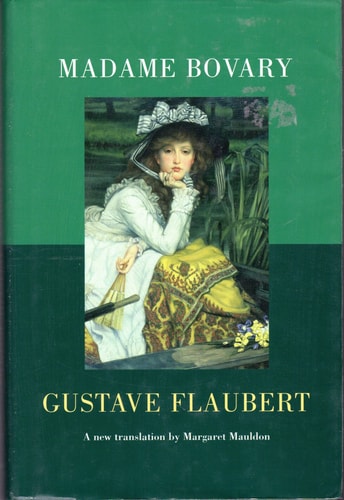
Oxford University Press
2004
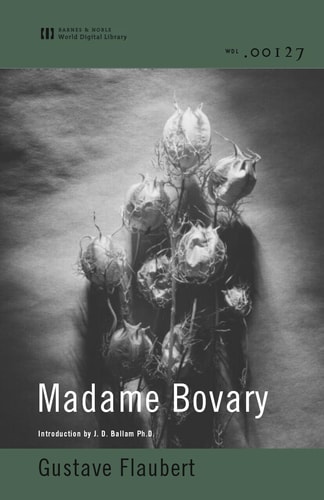
Barnes & Noble World Digital Library
2002
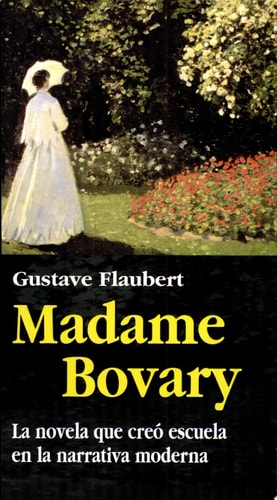
EDAF
2001
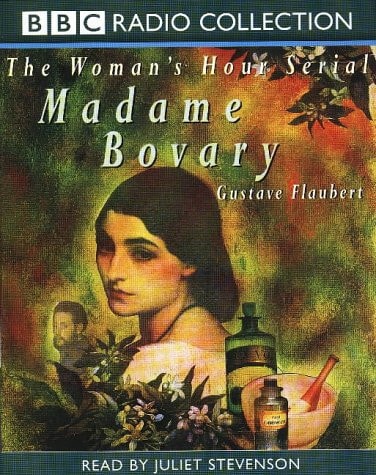
Bbc Book Pub
2001

Pearson Education
2001

Promoción y Ediciones
2001
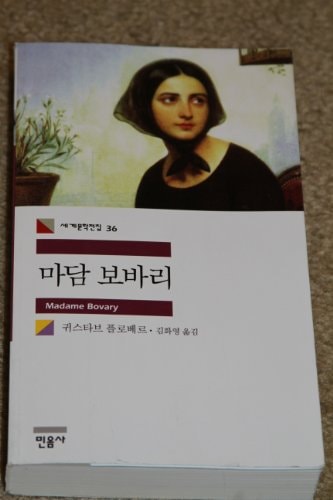
Andres Bello Mexicana, S. A. de C. V., Editorial
2000
Oxford University Press
1998
Pocket
1998

Au sans pareil
1996
Mondadori
1993
Quality Paperback bookclub
1990
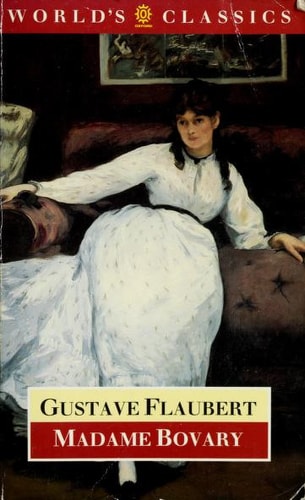
Oxford University Press
1989

Larousse
1986

Txertoa Ediciones
1984

Caedmon Audio Cassette
1983
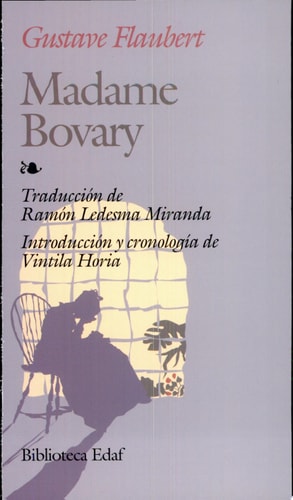
EDAF
1980

Bantam
1980

Pocket
1979

New American Library
1979

Gallimard
1972

IndyPublish.com
1900

Giunti Demetra
1900

Ediciones LEA
1900

W. W. Norton, Incorporated
1900
Similar Books





Reader Comments
Share Your Thoughts
No comments yet. Be the first to share your thoughts!