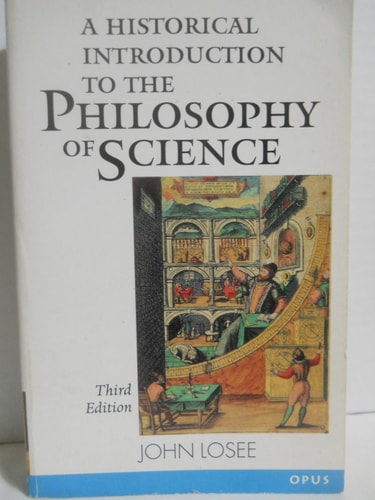
A Historical Introduction to the Philosophy of Science
0
0
As an Amazon Associate and affiliate partner, Menrva Books earns from qualifying purchases. Learn more
Author Description
This new edition brings up to date this accessible study of the philosophy of science. Since the time of Plato and Aristotle, scientists and philosophers have raised questions about the proper evaluation of scientific interpretations. A Historical Introduction to the Philosophy of Science is an exposition of differing viewpoints on issues such as the distinction between scientific inquiry and other types of interpretation, the relationship between theories and observation reports; the evaluation of competing theories; and the nature of progress in science. The author makes accessible the philosophy of science to readers who may not have extensive knowledge of formal logic or the history of the several sciences. The third edition incorporates an extended discussion of recent developments. Historicist critics of Logical Empiricism have established that evaluative standards and cognitive aims have changed within the history of science. This edition examines these changes, the recent controversies over scientific realism, casual theories of explanation, Bayesian theories of confirmation, and the search for a non-prescriptive philosophy of science. philosophers have raised questions about the proper evaluation of scientific interpretations. This is a lucid and accessible introduction to the philosophy of science, ideal for readers who may not have the extensive knowledge of formal logic or the history of the several sciences. This new edition includes an extended discussion of such recent developments and controversies as new approaches to evaluative standards and cognitive aims, scientific realism, causal theories of explanation, Bayesian theories of confirmation, and the search for a non-prescriptive philosophy of science.
Menrva's Summary
THE THESIS
This text investigates the historical evolution of the philosophy of science by examining how evaluative standards and cognitive aims have shifted from antiquity to the modern era. John Losee, an established scholar in the field, utilizes a chronological framework to trace the development of scientific inquiry. By synthesizing complex philosophical arguments into accessible prose, the author provides a structured analysis of how scientists and philosophers have historically defined, evaluated, and justified scientific knowledge.
THE SCOPE MAP
What You Will Find
- Chronological survey of philosophical thought from Plato and Aristotle to contemporary debates.
- Analysis of the relationship between observation reports and theoretical frameworks.
- Examination of Bayesian theories of confirmation and causal theories of explanation.
- Discussion of the transition from Logical Empiricism to historicist critiques.
Scope Limits
- Does not require advanced knowledge of formal logic or specialized scientific disciplines.
- Focuses primarily on Western philosophical traditions rather than global scientific history.
THE AUTHORITY PERSPECTIVE
Readers frequently note the accessibility of the prose, which makes dense philosophical concepts manageable for students and non-specialists. Experts highlight this work as a foundational text for those seeking a clear, comprehensive overview of the historical development of scientific philosophy.
Page Count:
336
Publication Date:
1993-10-21
Publisher:
Oxford University Press
ISBN-10:
0192892479
ISBN-13:
9780192892478
Philosophy
Science
Epistemology
Science
Philosophy history
Academic
Science History
Community Tags
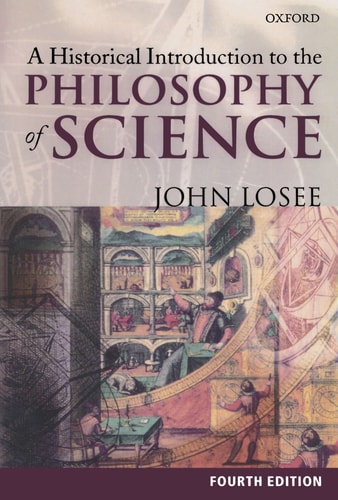
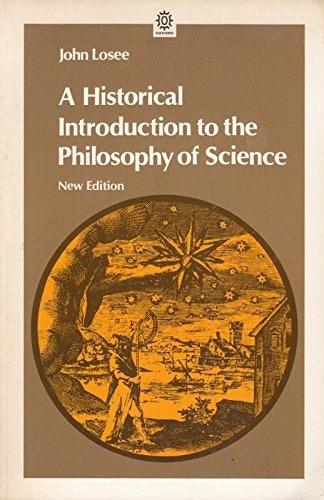
Other Editions(3)
Similar Books







Reader Comments
Share Your Thoughts
No comments yet. Be the first to share your thoughts!