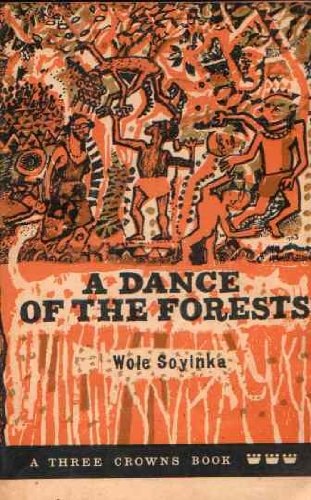
A Dance of the Forests
0
0
As an Amazon Associate and affiliate partner, Menrva Books earns from qualifying purchases. Learn more
Author Description
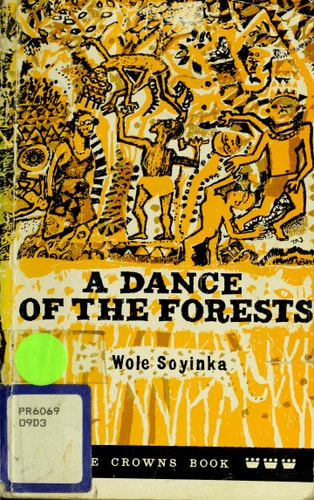
This drama was first performed as part of the Nigerian Independence Celebrations.
Menrva's Summary
THE PULSE
The arrival of two ancestors from the dead to participate in a grand celebration of independence triggers a confrontation with the moral failures of the living. As the community prepares for a momentous gathering, the unexpected manifestation of these spirits forces the characters to confront their past transgressions and the cyclical nature of human corruption. The narrative framework utilizes a blend of traditional Yoruba mythology and modern political allegory to examine the weight of history on a newly sovereign nation. The characters struggle to reconcile their idealistic aspirations for the future with the grim realities of their ancestral legacy, leading to a tense exploration of societal identity. The play operates through a non-linear structure that collapses the boundaries between the spiritual realm and the physical world.
INSIDE THE PAGES
- Incorporation of Yoruba deities and ancestral spirits as central characters
- Use of symbolic language to critique post-independence political structures
- Non-linear narrative structure that shifts between historical and contemporary timelines
- Integration of traditional music, dance, and ritualistic performance elements
- Exploration of the tension between individual agency and communal destiny
- Satirical portrayal of human greed and the repetition of historical mistakes
- Complex dialogue that balances poetic lyricism with sharp social commentary
- Thematic focus on the burden of memory and the necessity of confronting past atrocities
THE COLLECTIVE ECHO
Discussion often centers on the play's dense symbolic structure and its challenging, multi-layered approach to Nigerian history. Readers frequently highlight the effectiveness of the supernatural elements in grounding the political critique within a cultural framework. Critics often note that the pacing requires careful attention due to the shifting perspectives and the heavy reliance on metaphorical imagery. The work is widely regarded as a foundational text for understanding the complexities of postcolonial identity and the psychological impact of independence. Many readers appreciate the balance between the theatrical spectacle and the underlying philosophical inquiries into human nature.
Page Count:
94
Publication Date:
1963-01-01
Publisher:
Oxford University Press
ISBN-10:
0194185028
ISBN-13:
9780194185028
Drama
Mythology
Dramas & Plays
Postcolonial
World Literature
African
Political