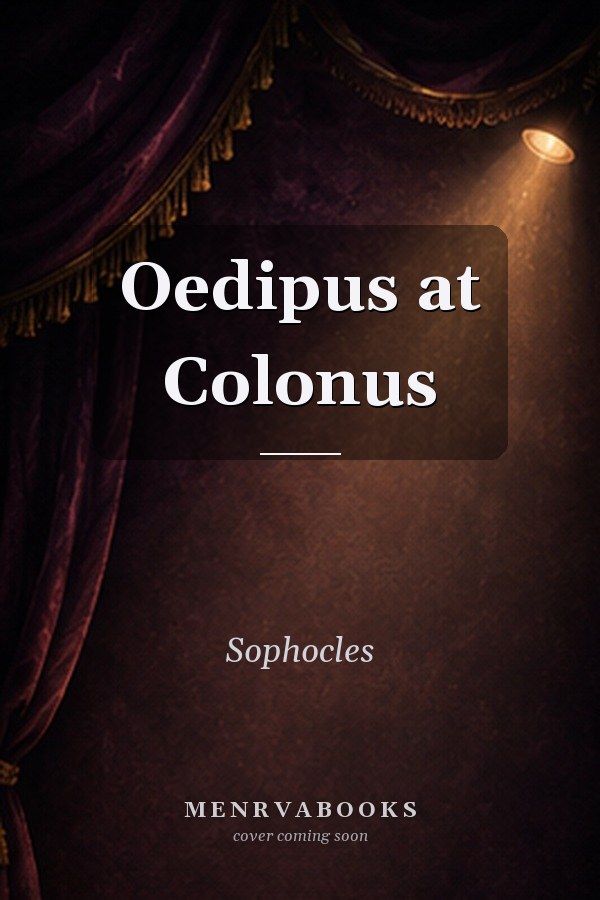
Oedipus at Colonus
0
0
As an Amazon Associate and affiliate partner, Menrva Books earns from qualifying purchases. Learn more
Author Description
No description available.
Menrva's Summary
THE PULSE
The aging and exiled Oedipus arrives at the sacred grove of Colonus, seeking a final resting place while pursued by the political machinations of his former home. Oedipus, now a blind wanderer accompanied by his daughter Antigone, attempts to secure sanctuary in Athens to fulfill a prophecy regarding his death. He faces opposition from his son Polynices and his brother-in-law Creon, both of whom seek to exploit his presence for their own strategic gain. The narrative unfolds through a series of intense dialogues and choral interventions that emphasize the tension between divine will and human agency. The play adheres to the classical structure of Greek tragedy, utilizing a formal, elevated tone to explore the intersection of fate and personal legacy.
INSIDE THE PAGES
- Utilization of the traditional Greek chorus to provide moral commentary and atmospheric context.
- Exploration of the theme of exile and the search for belonging in a hostile world.
- Integration of prophecy as a primary driver of character motivation and plot progression.
- Use of formal, rhythmic dialogue to heighten the gravity of the protagonist's final days.
- Examination of the complex power dynamics between the aging king and the rulers of Thebes.
- Focus on the concept of sacred space and the violation of religious boundaries.
- Characterization of Antigone as a steadfast moral anchor amidst the chaos of her family history.
- Deployment of dramatic irony to underscore the inevitability of the protagonist's tragic conclusion.
THE COLLECTIVE ECHO
Discussion often centers on the shift in tone from the earlier plays in the cycle, noting a move toward reconciliation and spiritual transcendence. Readers frequently highlight the portrayal of Oedipus as a figure who has moved beyond his past transgressions to achieve a form of divine favor. Critics often examine the effectiveness of the setting at Colonus as a symbolic threshold between the mortal world and the afterlife. The play is widely regarded for its nuanced exploration of forgiveness and the weight of ancestral burdens on the individual. Scholars emphasize the structural precision of the dialogue and the enduring relevance of the protagonist's struggle for dignity in his final moments.
Page Count:
112
Publication Date:
2099-11-30
Publisher:
Oxford University Press
ISBN-10:
019509302X
ISBN-13:
9780195093025
Drama
Greek Tragedy
Plays
Mythology
Classical
Dramas & Plays
Community Tags
Other Editions(21)
Oxford University Press
2099
Default edition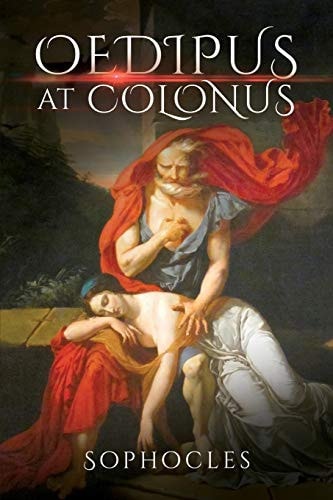
Eternal Chrysostom LLC
2021

Wyatt North
2021
East India Publishing Company
2020
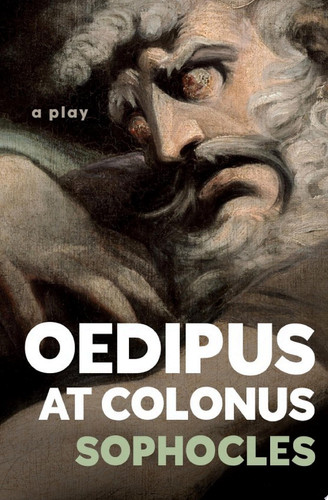
Open Road Integrated Media, Inc.
2020
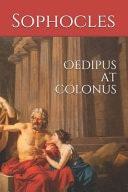
Independently Published
2019

Dreamscape Media
2018
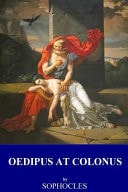
CreateSpace Independent Publishing Platform
2015
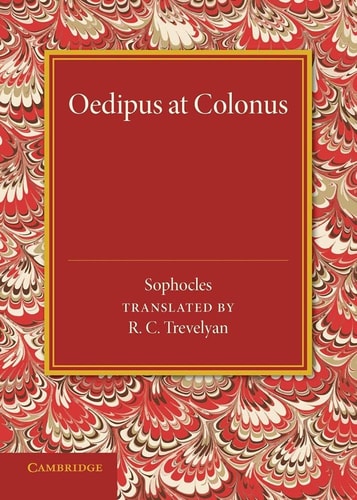
Cambridge University Press
2014
CreateSpace Independent Publishing Platform
2014
University of Wisconsin Pres
2014
CreateSpace Independent Publishing Platform
2013
CreateSpace Independent Publishing Platform
2013
CreateSpace Independent Publishing Platform
2012
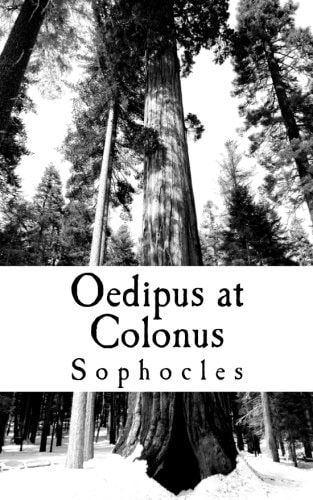
CreateSpace Independent Publishing Platform
2011
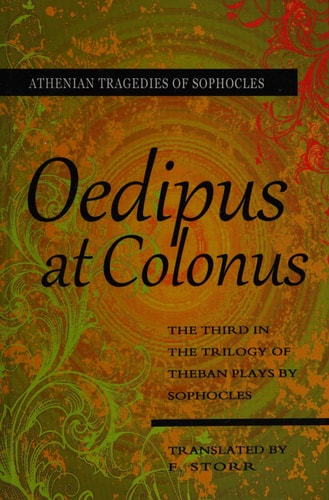
CreateSpace Independent Publishing Platform
2011

CreateSpace Independent Publishing Platform
2009
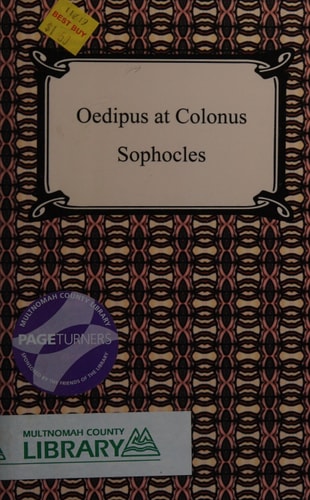
Digireads.com
2009

BiblioLife
2009
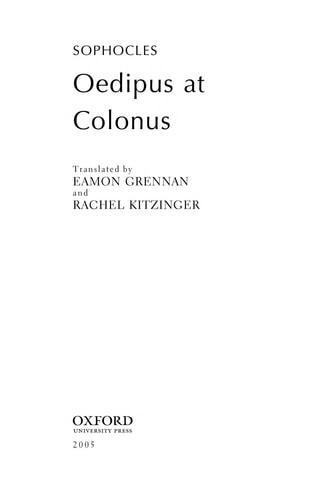
Oxford University Press
2004

Players Press
1998
Similar Books

Reader Comments
Share Your Thoughts
No comments yet. Be the first to share your thoughts!