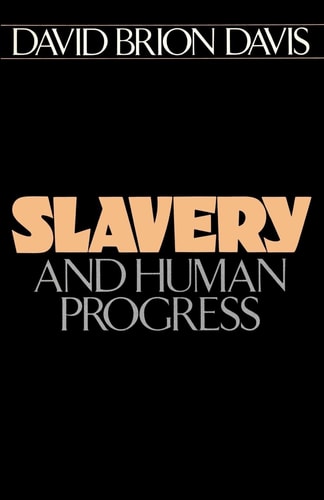
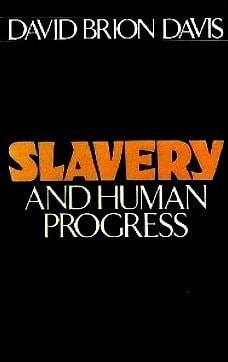
Slavery and Human Progress
0
0
As an Amazon Associate and affiliate partner, Menrva Books earns from qualifying purchases. Learn more
Author Description
Pulitzer Prize-winner David Brion Davis here provides a penetrating survey of slavery and emancipation throughout world history--from ancient times to the 20th century. He demonstrates that slavery, once regarded as a form of human progress, played a crucial part in the expansion of the Western world, and that not until the 18th and 19th centuries did views of slavery as a retrograde institution gain far-reaching acceptance.Illuminating this momentous historical shift from "progressive" slavery to "progressive" emancipation, Davis ranges over a wide array of important developments--from the transition from white to black slavery, to the impact of the Civil War and the Emancipation Proclamation, to 20th-century debates about slavery in the League of Nations and the U.N. He probes the intricate connections among slavery, emancipation, and the idea of progress, shedding new light on two crucial issues--the human capacity for dignifying acts of oppression and the problems of implementing social change--and placing the most recent international debate about freedom and human rights into much-needed perspective.
Menrva's Summary
THE THESIS
This work investigates the historical paradox of how slavery was once perceived as a mechanism for human progress before shifting into a universally condemned institution. David Brion Davis, a Pulitzer Prize-winning historian, utilizes extensive archival research and comparative analysis to trace the evolution of societal attitudes toward forced labor. He argues that the transition from viewing slavery as a productive economic necessity to a moral failure was not inevitable, but rather a complex development rooted in shifting Western ideologies and political frameworks.
THE SCOPE MAP
What You Will Find
- A comprehensive historical survey spanning from ancient civilizations to 20th-century international policy.
- Analysis of the transition from white to black slavery within the context of Western expansion.
- Examination of the ideological shifts surrounding the American Civil War and the Emancipation Proclamation.
- Discussion of modern human rights debates within the League of Nations and the United Nations.
THE AUTHORITY PERSPECTIVE
Historians and scholars frequently cite this text as a foundational analysis of the intellectual history of abolitionism. Readers often note the academic density of the prose, which provides a rigorous examination of how societies rationalize systemic oppression.
Page Count:
400
Publication Date:
1986-01-09
Publisher:
Oxford University Press
ISBN-10:
0195037332
ISBN-13:
9780195037333
History
Social Science
Slavery
Human rights
Community Tags
Other Editions(3)

Similar Books