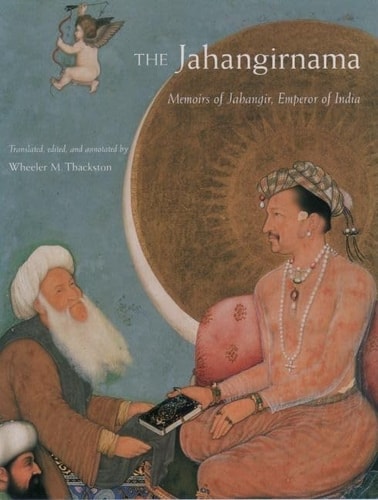
The Jahangirnama: Memoirs of Jahangir, Emperor of India
0
0
As an Amazon Associate and affiliate partner, Menrva Books earns from qualifying purchases. Learn more
Author Description
Wheeler Thackstons lively new translation of The Jahangirnama, co-published with the Freer/Arthur M. Sackler Gallery of the Smithsonian Institution, presents an engaging portrait of an intriguing emperor and his flourishing empire.The Emperor Jahangir is probably best know in the West as being the father of Shahjahan, who built the Taj Mahal. His reign was one of great prosperity, and his passion for art and nature encouraged a flowering that some say rivaled European art during the rule of the Medicis. In penning his memoirs, Jahangir followed a tradition begun by his great-grandfather, the Emperor Babur. Jahangirs memoirs, however, provide not only the history of his reign, but also his reflections on art, politics, and private details about his familyincluding the suicide of one of his wivesand selections of poetry written by members of his harem. One of Jahangirs stories describes his astonishment at witnessing the fall of a meteorite, an event that so amazed him that he ordered that a dagger be made from its metal. This book includes a selection of exquisite full-color paintings, drawings, and objects that specifically illustrate the passages they accompany--including a photograph of the Emperors treasured dagger.A lover of jewels, nature, hunting, drinking, and opiates, Jahangir carried the Mughal empire to artistic and political heights. Refreshingly candid and frank, this splendidly illustrated edition of Jahangirs memoirs is a thoroughly absorbing profile of an emperor and the zenith of his empire.
Menrva's Summary
THE THESIS
This work investigates the personal and political life of the Mughal Emperor Jahangir through his own autobiographical accounts. The text serves as a primary historical document, translated by Wheeler Thackston, which provides a candid look at the administration, cultural patronage, and private life of a ruler during the zenith of the Mughal Empire. By documenting his observations on nature, art, and governance, Jahangir offers a unique perspective on the complexities of 17th-century Indian leadership.
THE SCOPE MAP
What You Will Find
- Detailed historical accounts of the Mughal Empire during the reign of Jahangir.
- Personal reflections on political strategy, family dynamics, and court life.
- Observations on natural phenomena, including the documentation of a meteorite fall.
- A curated collection of full-color paintings, drawings, and artifacts illustrating the text.
THE AUTHORITY PERSPECTIVE
Scholars and historians regard this translation as a vital resource for understanding the cultural and political climate of the Mughal era. Readers frequently note the accessibility of the prose, which balances academic rigor with the intimate, often frank voice of the emperor himself.
Page Count:
502
Publication Date:
1999-11-25
Publisher:
Oxford University Press
ISBN-10:
0195127188
ISBN-13:
9780195127188
History
Memoir
Biography
Asian History
Mogul Empire
Mughal Empire
India
Community Tags
Similar Books