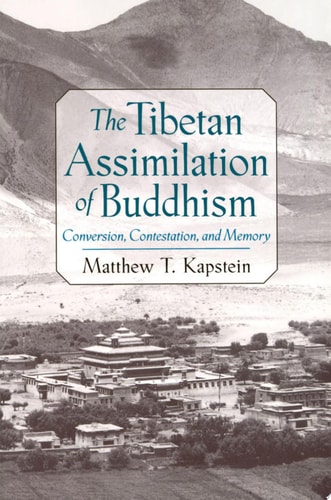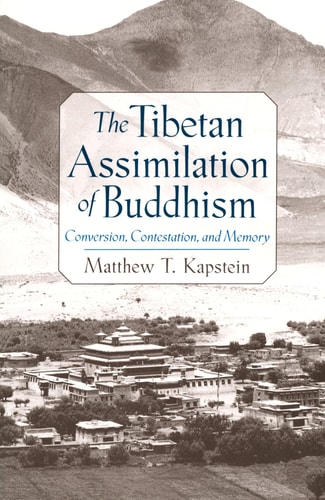
The Tibetan Assimilation of Buddhism: Conversion, Contestation and Memory
0
0
As an Amazon Associate and affiliate partner, Menrva Books earns from qualifying purchases. Learn more
Author Description
This book explores the Buddhist role in the formation of Tibetan religious thought and identity. In three major sections, the author examines Tibet's eighth-century conversion, sources of dispute within the Tibetan Buddhist tradition, and the continuing revelation of the teaching in both doctrine and myth.
Menrva's Summary
THE THESIS
This work investigates the historical and cultural processes through which Buddhism was assimilated into Tibetan society, shaping the region's religious identity and intellectual framework. Matthew T. Kapstein, a scholar of Tibetan and Buddhist studies, utilizes a combination of historical analysis, textual criticism, and anthropological inquiry to trace the evolution of Tibetan Buddhism. He argues that the conversion of Tibet was not a singular event but a complex, ongoing negotiation between indigenous traditions and imported Buddhist doctrines. The book provides a rigorous examination of how these traditions were contested, adapted, and memorialized over several centuries.
THE SCOPE MAP
What You Will Find
- Analysis of the eighth-century conversion of Tibet to Buddhism.
- Examination of internal disputes and sectarian developments within the Tibetan Buddhist tradition.
- Exploration of the role of myth and revelation in the continuity of religious doctrine.
- Investigation into the formation of Tibetan religious identity through historical and literary sources.
THE AUTHORITY PERSPECTIVE
Experts in the field of Asian studies recognize this text as a significant contribution to the understanding of Tibetan religious history. Readers frequently note the academic density of the prose, which provides a comprehensive and scholarly look at the complexities of Buddhist assimilation in the Tibetan plateau.
Page Count:
336
Publication Date:
2002-02-07
Publisher:
Oxford University Press
ISBN-10:
0195152271
ISBN-13:
9780195152272
Religion
History
Buddhism
Tibet China
Community Tags
Similar Books