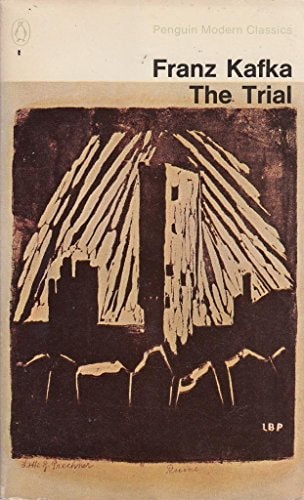
The Trial
0
0
As an Amazon Associate and affiliate partner, Menrva Books earns from qualifying purchases. Learn more
Author Description
Written in 1914 but not published until 1925, a year after Kafka's death, The Trial is the terrifying tale of Josef K., a respectable bank officer who is suddenly and inexplicably arrested and must defend himself against a charge about which he can get no information. Whether read as an existential tale, a parable, or a prophecy of the excesses of modern bureaucracy wedded to the madness of totalitarianism, The Trial has resonated with generations of readers.
Menrva's Summary
THE PULSE
Josef K. is arrested one morning for an unspecified crime, initiating a nightmarish struggle against an impenetrable and faceless legal bureaucracy. K. attempts to navigate a labyrinthine judicial system that refuses to disclose the nature of his charges or the evidence against him. His objective is to secure an acquittal or at least an explanation, but he is constantly thwarted by corrupt lawyers, indifferent officials, and the illogical nature of the court itself. The narrative follows a third-person limited perspective that mirrors K.'s own confusion and isolation within a world governed by arbitrary, hidden rules.
INSIDE THE PAGES
- Surreal and dreamlike atmosphere
- Bureaucratic satire and institutional critique
- Themes of alienation and existential dread
- Non-linear progression of legal proceedings
- Symbolic settings including dark attics and cramped offices
- Focus on the psychological erosion of the protagonist
- Ambiguous and open-ended narrative structure
- Exploration of guilt without clear moral transgression
THE COLLECTIVE ECHO
Readers and critics frequently analyze the text as a definitive exploration of existential anxiety and the dehumanizing effects of modern bureaucracy. Discussion often centers on the ambiguity of the protagonist's guilt and the lack of a clear moral framework within the court's proceedings. Many highlight the oppressive atmosphere that Kafka constructs, noting how the prose maintains a sense of claustrophobia throughout the narrative. Scholars often debate the theological and political implications of the court, viewing it as a manifestation of divine or state power that remains forever beyond human comprehension. The work remains a primary reference point for discussions regarding individual agency in the face of systemic indifference.
Page Count:
255
Publication Date:
1970-01-01
Publisher:
Penguin
ISBN-10:
0140009078
ISBN-13:
9780140009071
Politics
Philosophy
Dystopian
Modern
Political fiction
Existentialism
British & Irish
Science Fiction
Literary
classic
Absurdist
Philosophical
Community Tags
Similar Books