Metamorphosis
0
0
As an Amazon Associate and affiliate partner, Menrva Books earns from qualifying purchases. Learn more
Author Description
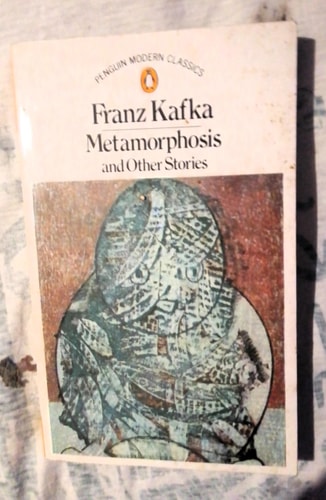
Franz Kafka's Metamorphosis - arguably the greatest, most famous and most unnerving short work of literary fiction ever written - is a hundred years old in 2015. This centenary edition offers the first complete English translation of Kafka's text (by A. L. Lloyd from 1937) and a richly detailed new introduction to the story by novelist Richard T. Kelly, describing its genesis and the life of its creator. In The Metamorphosis' unforgettable opening sentence we meet travelling salesman Gregor Samsa - on a rare overnight stay in the apartment he shares with his family, paid for by his ceaseless labour - who awakes one morning 'from a troubled dream' to find himself 'changed in his bed to some kind of monstrous vermin'. "There is nothing which The Metamorphosis could be surpassed by - one of the few great, perfect poetic works of this century." (Elias Canetti). "My greatest masterpieces of twentieth-century prose are, in this order, Joyce's Ulysses, Kafka's [Metamorphosis], Bely's Petersburg and the first half of Proust's fairy tale In Search of Lost Time." (Vladimir Nabokov).
Menrva's Summary
THE PULSE
Gregor Samsa wakes to discover his physical form has transformed into a monstrous insect, forcing him to confront the immediate collapse of his domestic and professional life. Gregor, a dedicated salesman supporting his family, finds his primary objective—maintaining his livelihood and familial obligations—rendered impossible by his new, grotesque state. The narrative framework utilizes a detached, clinical third-person perspective that emphasizes the absurdity of the situation against the mundane reality of the Samsa household. As Gregor struggles to navigate his bedroom and communicate with his horrified family, the story examines the fragility of human identity and the cold indifference of societal expectations.
INSIDE THE PAGES
- Surrealist transformation as a catalyst for domestic tension
- Clinical, matter-of-fact prose style
- Exploration of alienation and social isolation
- Examination of familial duty and resentment
- Symbolism of the vermin as a burden
- Claustrophobic setting within the family apartment
- Non-linear psychological deterioration of the protagonist
- Thematic focus on the dehumanizing effects of labor
THE COLLECTIVE ECHO
Discussion often centers on the stark contrast between the bizarre premise and the mundane, bureaucratic tone Kafka employs throughout the narrative. Readers frequently highlight the psychological depth of Gregor's isolation, noting how the family's reaction reflects broader themes of utility and abandonment. Critics often analyze the text as a critique of the modern workplace and the crushing weight of familial expectations. The work remains a focal point for debates regarding existential dread and the loss of self in an indifferent world. Many readers find the pacing deliberate, allowing the slow decay of the protagonist's circumstances to mirror the shifting dynamics of his household.
Page Count:
218
Publication Date:
1988-01-01
Publisher:
Penguin Books
ISBN-10:
0140015728
ISBN-13:
9780140015720
German
Short Stories
Absurdist
British & Irish
classic
Existentialism
Classics